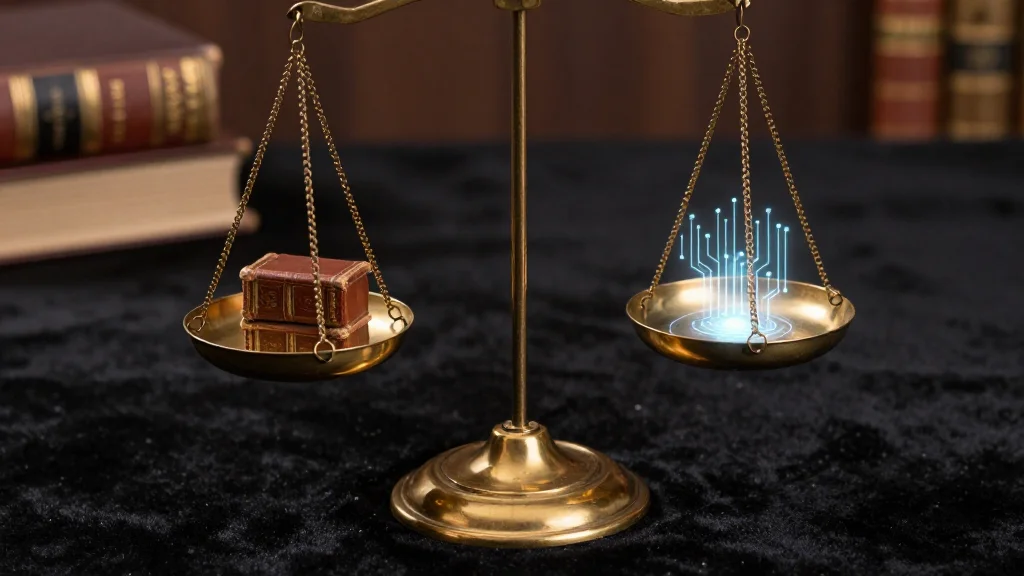
Sullivan & Cromwell Apologises After AI Hallucinations Taint Court Filing

Why It Matters
The mishap highlights a critical vulnerability in the legal profession’s rush to adopt generative AI. Court filings are binding documents; errors can delay proceedings, increase litigation costs, and erode client trust. As AI tools become more ubiquitous, the incident may accelerate the development of industry‑wide standards for AI verification, mandatory training, and audit trails. Regulators and bar associations could also step in to codify best practices, shaping how law firms balance efficiency gains against the duty of care owed to courts and clients. Furthermore, the episode underscores the broader risk that AI hallucinations pose to the integrity of the judicial system. If fabricated citations go unchecked, they could influence case outcomes or set misleading precedents. The legal sector’s response will likely serve as a bellwether for other regulated professions wrestling with similar AI reliability challenges.
Key Takeaways
- •Sullivan & Cromwell filed an emergency bankruptcy motion with ~40 AI‑generated citation errors.
- •Partner Andrew G. Dietderich apologized, citing failure to follow mandatory AI review procedures.
- •Boies Schiller Flexner LLP identified the errors, prompting an internal investigation.
- •Legal technologist Damien Charlotin’s database shows 1,334 AI hallucination incidents worldwide, >900 in the US.
- •The firm pledged to reinforce AI training, verification steps, and submit a corrected filing.
Pulse Analysis
The Sullivan & Cromwell episode is a cautionary tale that could reshape AI adoption curves across the legal industry. Historically, law firms have been early adopters of document‑automation tools, but generative AI introduces a new class of risk: hallucinations that fabricate legal authority. The firm’s misstep reveals a gap between policy and practice—mandatory training exists, yet compliance was lax when the stakes were high. This suggests that procedural safeguards alone are insufficient; firms will need real‑time monitoring and perhaps third‑party AI audit services to certify output before filing.
Competitively, firms that can demonstrate airtight AI governance may gain a market advantage, especially with corporate clients increasingly demanding both speed and precision. Larger firms like Skadden, Latham & Watkins, and others are already piloting AI‑review platforms that embed citation‑checking algorithms directly into the drafting workflow. If Sullivan & Cromwell’s internal review uncovers systemic weaknesses, we may see a wave of investments in AI‑assisted verification tools, similar to the surge in e‑discovery tech a decade ago.
Looking ahead, the incident could spur regulatory action. The American Bar Association has begun drafting model rules for AI use, and state bar associations may soon require documented verification steps for any AI‑generated filing. Courts themselves might adopt stricter filing standards, mandating that attorneys certify the authenticity of every citation. In the short term, law firms will likely tighten internal controls, but the longer‑term impact could be a new compliance layer that reshapes how legal work is produced, reviewed, and filed.
Sullivan & Cromwell apologises after AI hallucinations taint court filing
Comments
Want to join the conversation?
Loading comments...