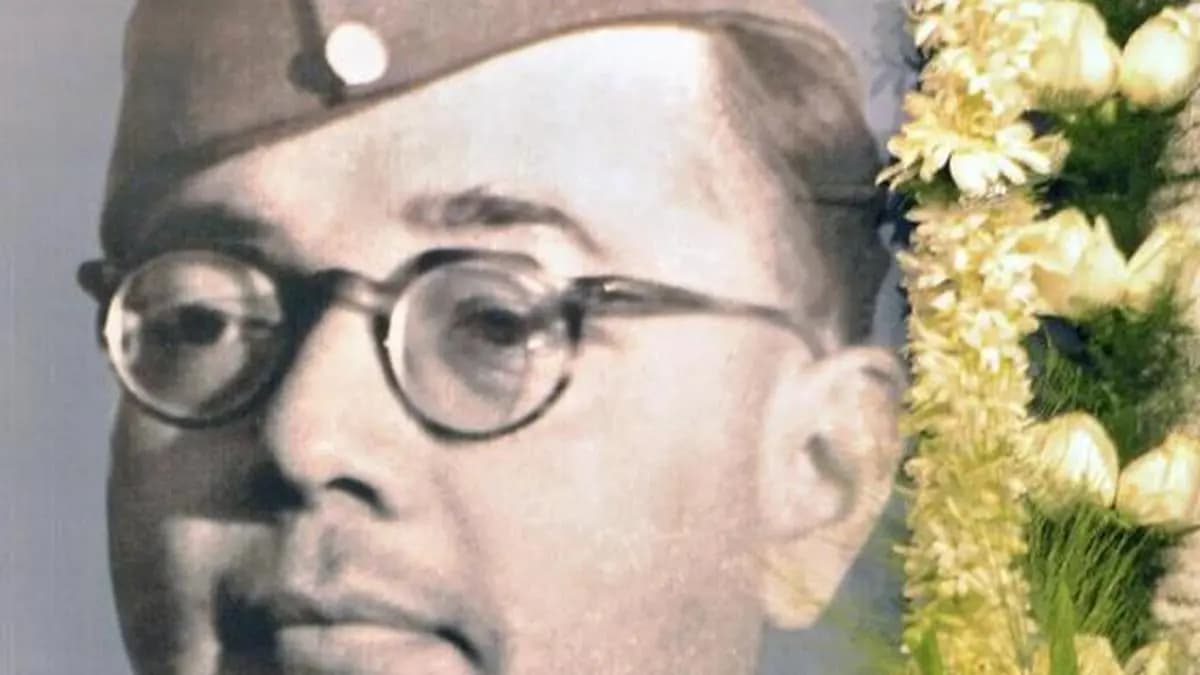
Supreme Court Dismisses PIL Seeking ‘National Son’ Status for Netaji Bose
Why It Matters
The ruling curtails misuse of the judiciary for political symbolism and signals stricter scrutiny of public interest litigations, affecting how activist groups pursue historical narratives in India.
Key Takeaways
- •Supreme Court bans petitioner from filing any future PILs
- •Petition sought to label Bose as “National Son” and credit INA
- •Bench labeled the plea frivolous and aimed at publicity
- •Chief Justice Surya Kant warned against wasting court resources
- •Decision highlights growing scrutiny of politically motivated lawsuits
Pulse Analysis
Public interest litigation (PIL) has become a popular tool for Indian activists to push social and historical agendas through the courts. While the mechanism can amplify marginalized voices, it also invites petitions that prioritize symbolism over legal merit. The recent case, demanding official recognition of Subhas Chandra Bose as the nation’s “National Son” and crediting the Indian National Army for independence, exemplifies this tension. By dismissing the petition and labeling it frivolous, the Supreme Court reaffirmed its role as a gatekeeper, ensuring that judicial time is reserved for substantive legal questions rather than political campaigns.
The bench, led by Chief Justice Surya Kant and Justice Joymalya Bagchi, went further by prohibiting petitioner Pinakpani Mohanty from filing any future PILs. This rare sanction reflects growing frustration with repeat filers who use the judiciary to gain media attention. Legal scholars note that such a ban sets a precedent for curbing abusive litigation practices, encouraging petitioners to present well‑grounded arguments and discouraging the court from becoming a platform for historical revisionism. The decision also signals to lower courts that they must apply similar rigor when assessing the merit of politically charged petitions.
Beyond the courtroom, the ruling carries broader implications for India’s public discourse on history and nationalism. Bose remains a polarizing figure, and attempts to enshrine his legacy through legal declarations risk deepening ideological divides. By rejecting the petition, the Supreme Court indirectly promotes a more nuanced, democratic debate in the public sphere, where historians, policymakers, and citizens can engage without judicial overreach. Future activists seeking to shape national narratives will likely pivot toward legislative advocacy or public education, recognizing that the courts are increasingly unwilling to serve as arbiters of symbolic honors.
Supreme Court dismisses PIL seeking ‘National Son’ status for Netaji Bose
Comments
Want to join the conversation?
Loading comments...