Supreme Court Reviews Police Use of Cell Location Data to Find Criminals
Why It Matters
The ruling will set a national precedent on digital privacy, shaping how police can leverage bulk location data and influencing future Fourth Amendment jurisprudence.
Key Takeaways
- •Supreme Court to review geofence warrant legality Monday
- •Geofence searches collect data from all nearby cellphones
- •Critics claim bulk data breaches Fourth Amendment rights
- •Law enforcement argues tool is vital for investigations
Pulse Analysis
Geofence warrants have emerged as a powerful investigative tool, allowing police to sweep location data from every cellphone within a defined radius of a crime scene. By tapping into signals from cell towers, authorities can reconstruct a detailed timeline of who was present before, during, and after an incident. The practice gained traction after the 2018 Supreme Court decision that generally requires a warrant for accessing historical cell‑tower data, yet the technology has evolved to enable real‑time, area‑wide sweeps that raise fresh constitutional questions.
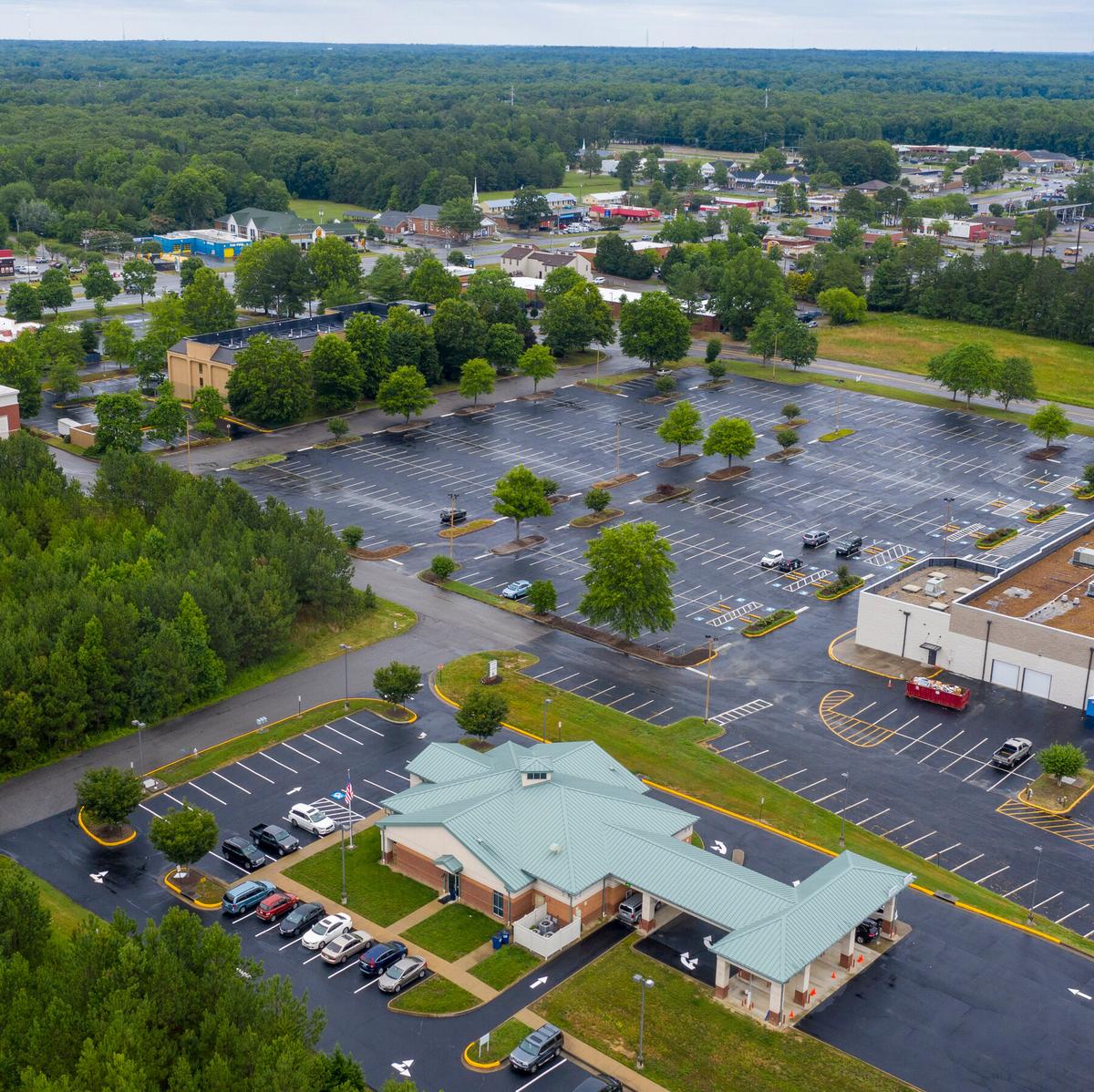
The case before the Court involves the 2019 robbery of Call Federal Credit Union in Richmond, where detectives used a geofence warrant to identify Okello T. Chatrie, who stole $195,000 and was later convicted. Prosecutors argue that the warrant was narrowly tailored to a specific time window and location, satisfying probable‑cause standards. Defense attorneys, however, contend that the warrant indiscriminately harvested data from thousands of innocent bystanders, violating the Fourth Amendment’s protection against unreasonable searches. The outcome will directly affect law‑enforcement protocols nationwide, potentially limiting or expanding the scope of digital surveillance tools.
Beyond the courtroom, the decision will reverberate through the tech industry, privacy advocacy groups, and policymakers grappling with rapid advances in data collection. A ruling that curtails geofence warrants could spur the development of more precise, individualized warrants, while a permissive decision may embolden broader use of bulk data gathering. Stakeholders are watching closely, as the balance between public safety and individual privacy continues to shape the digital age’s legal landscape.
Supreme Court Reviews Police Use of Cell Location Data to Find Criminals
Comments
Want to join the conversation?
Loading comments...