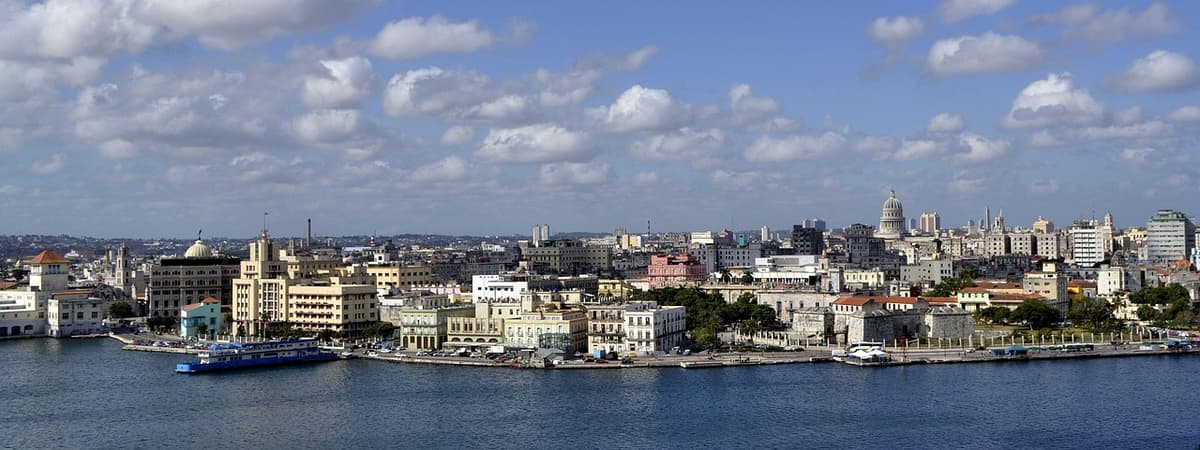
Supreme Court Says Cruise Lines Can Be Sued over Seized Cuba Docks
Companies Mentioned
Why It Matters
The ruling reopens a costly legal pathway for U.S. claimants against companies profiting from ex‑Cuban assets, signaling heightened risk for businesses operating in Cuba and potentially reshaping U.S.–Cuba commercial relations.
Key Takeaways
- •Supreme Court revives lawsuit against four major cruise lines
- •Case hinges on Helms‑Burton Act’s private right of action
- •Docks seized in 1960 remain “tainted” property under ruling
- •Potential damages could reach hundreds of millions of dollars
- •Decision may affect any U.S. business using ex‑Cuban assets
Pulse Analysis
The 8‑1 decision marks the first time the Supreme Court has applied the Helms‑Burton Act’s private right of action to a commercial venture rather than a direct investor. After three presidential administrations suspended the statute, the Trump administration let the suspension lapse in 2019, opening the door for Havana Docks Corp. to sue. Justice Thomas’s majority opinion emphasizes that the mere use of property confiscated by the Cuban government creates liability, sidestepping the need to prove a direct “trafficking” of ownership interests. This legal nuance revives a dormant claim that could reshape how U.S. courts view foreign‑expropriated assets.
For the cruise industry, the ruling introduces a substantial financial exposure. The four carriers transported nearly a million passengers to Cuba between 2016 and 2019, and the court’s interpretation means they could face collective judgments running into the hundreds of millions of dollars. Insurers may reassess coverage for geopolitical risk, and operators could face pressure to alter itineraries or seek indemnities from port authorities. The decision also sends a warning to other tourism and logistics firms that any reliance on ex‑Cuban infrastructure now carries heightened legal risk, potentially curbing future travel packages to the island.
Beyond the immediate parties, the case sets a precedent that could reverberate across sectors with historic ties to Cuba. Companies in agriculture, energy, and real estate that continue to use assets seized after the 1959 revolution may find themselves vulnerable to similar lawsuits. The ruling may also influence diplomatic negotiations, as the U.S. government balances enforcement of the Helms‑Burton Act with broader goals of normalizing relations with Havana. Stakeholders should monitor forthcoming lower‑court proceedings, which will clarify the scope of damages and the practical enforceability of the Supreme Court’s interpretation.
Supreme Court says cruise lines can be sued over seized Cuba docks
Comments
Want to join the conversation?
Loading comments...