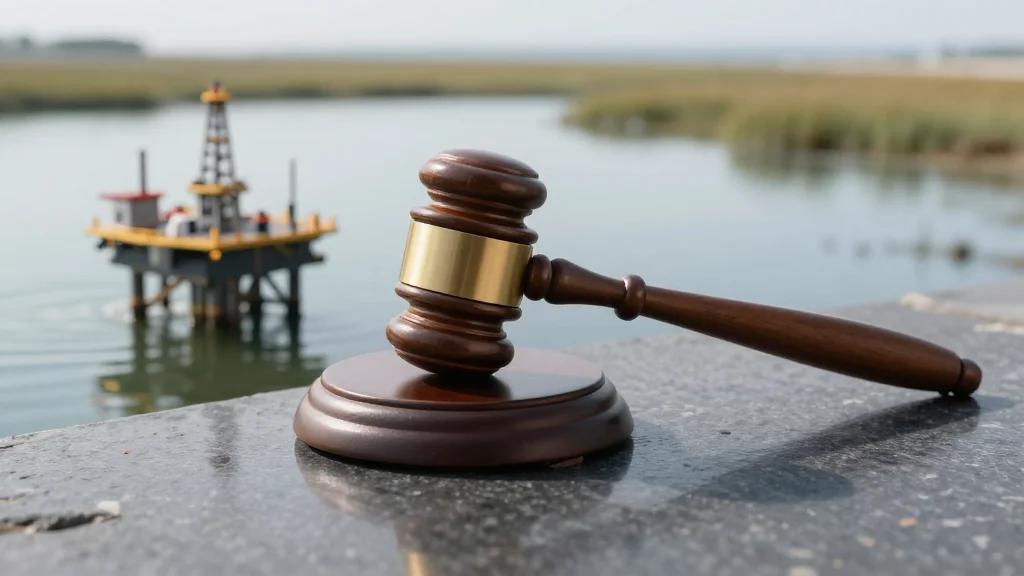
Supreme Court Sides with Big Oil, Sends Louisiana’s Coastal Damage Fight Back to Square One
Why It Matters
By shifting the case to federal jurisdiction, the ruling raises the bar for holding oil majors accountable and threatens to delay or diminish the funding needed for critical coastal restoration in a region already facing severe climate‑driven erosion.
Key Takeaways
- •Supreme Court remands Louisiana wetlands case to federal court
- •Oil firms avoid state-level liability for coastal erosion
- •Restoration funding for Louisiana’s coast now uncertain
- •Federal courts may apply stricter standards to environmental claims
- •Legal setback could delay billions in shoreline protection projects
Pulse Analysis
Louisiana’s coastline, often called the nation’s “protective barrier,” has been disappearing at an alarming rate—about a football field every hour—driven by subsidence, sea‑level rise, and decades of oil‑field infrastructure. The state sued a coalition of major oil producers, alleging that their drilling and canal‑building activities accelerated the loss of wetlands that shield communities from hurricanes. After a state court allowed the suit to move forward, the Supreme Court’s 6‑3 decision sent it back to the federal system, citing jurisdictional and procedural concerns. This shift forces plaintiffs to meet the higher pleading standards and procedural rules that federal courts enforce, potentially narrowing the scope of recoverable damages.
The jurisdictional pivot has immediate strategic implications for both sides. Federal courts typically require a more detailed showing of causation, and the doctrine of “general‑federal‑question” jurisdiction may limit the ability to claim state‑law damages. For the oil companies, the ruling offers a defensive advantage, as they can now argue that the case falls under the Federal Oil Pollution Act, which provides narrower remedies than state tort law. Conversely, Louisiana must now marshal extensive scientific evidence and possibly re‑file claims under federal statutes, a process that could add years to litigation and increase costs. The decision also signals to other states that similar environmental suits may face steep procedural hurdles.
Beyond the courtroom, the ruling threatens to stall the billions of dollars earmarked for coastal restoration projects. The state’s coastal master plan, backed by federal grants and private investment, relies on a clear legal pathway to hold polluters financially responsible. Delays or reduced liability could force policymakers to seek alternative funding, such as increased taxes or bonds, at a time when the region’s economy is already strained by hurricane damage. The case underscores a broader trend: as climate impacts intensify, the legal accountability of fossil‑fuel companies becomes a pivotal factor in financing adaptation and resilience measures across vulnerable coastal communities.
Supreme Court Sides with Big Oil, Sends Louisiana’s Coastal Damage Fight Back to Square One
Comments
Want to join the conversation?
Loading comments...