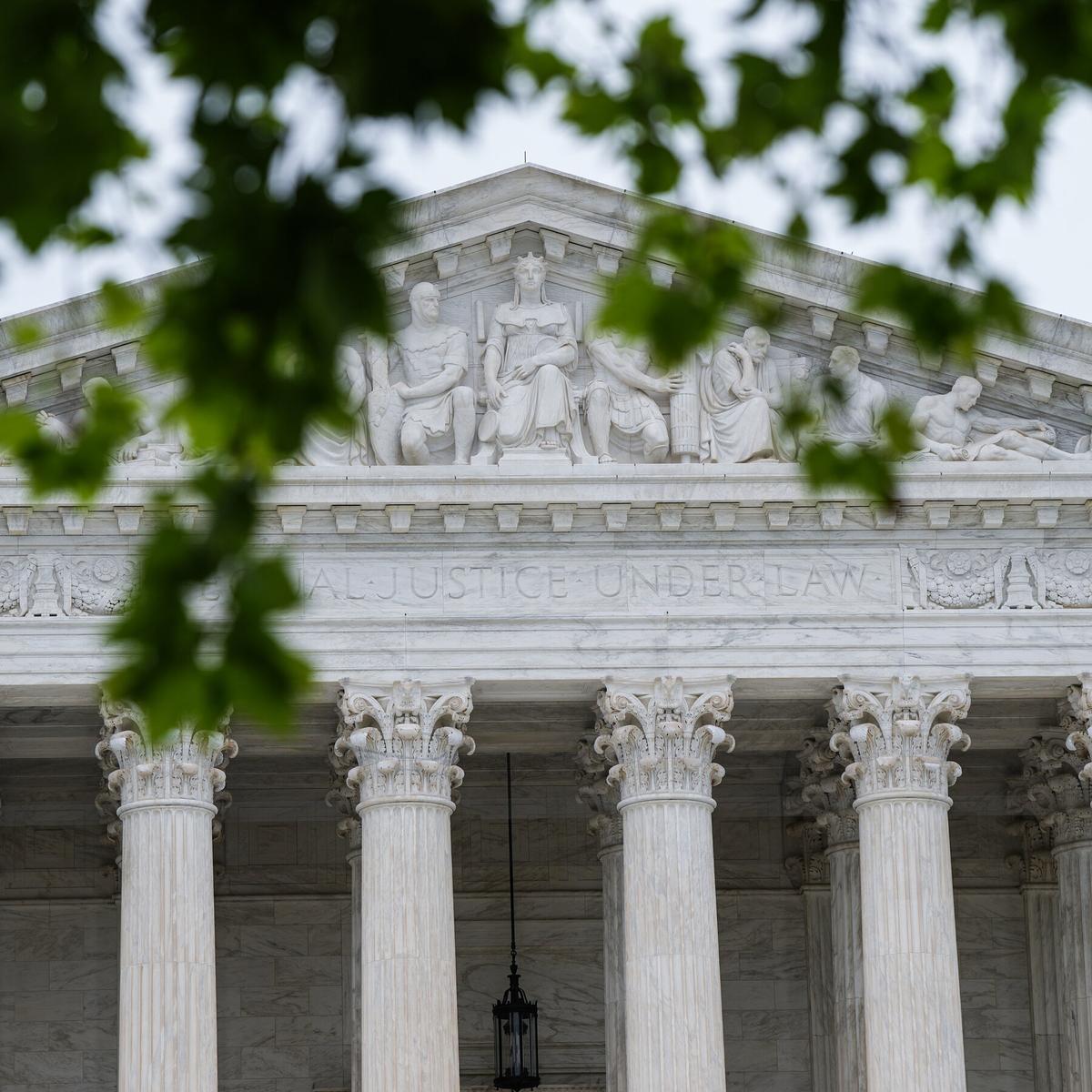
Supreme Court Strikes Down Louisiana Map, Another Blow to Voting Rights Act
Why It Matters
The decision narrows the legal foundation for creating majority‑minority districts, potentially reshaping minority electoral influence nationwide. It signals a shift in how courts will interpret the Voting Rights Act in future redistricting battles.
Key Takeaways
- •Supreme Court invalidated Louisiana's new majority‑Black congressional map
- •Decision split 6‑3 along ideological lines, with liberal dissent
- •Ruling claims race‑based districting no longer required under VRA
- •Could trigger map redraws across states during primary season
Pulse Analysis
The Supreme Court’s 6‑3 ruling against Louisiana’s majority‑Black district marks a pivotal moment for voting‑rights jurisprudence. Justice Samuel Alito’s majority opinion contended that decades of increased minority voter registration and turnout have rendered race‑centric districting obsolete, positioning the decision as a reinterpretation of the Voting Rights Act’s original intent. While the Court claimed to preserve the Act’s core, the liberal dissent warned that dismantling the framework for protecting minority voting strength could undermine decades of civil‑rights progress.
Practically, the judgment throws the 2026 election calendar into flux. States with pending redistricting plans now face pressure to redraw congressional lines before primaries, risking rushed maps that could be vulnerable to legal challenges. Minority advocacy groups fear the loss of guaranteed majority‑minority districts, which historically have enabled Black and Hispanic voters to elect preferred candidates. Conversely, some Republican strategists view the decision as an opportunity to eliminate what they consider racial gerrymandering, potentially reshaping partisan balances in the South.
Nationally, the ruling fits a broader trend of the Court curbing federal oversight of election rules, echoing recent decisions on partisan gerrymandering and voter ID laws. Legal scholars anticipate a surge in litigation as states test the new boundaries of permissible district design. For policymakers and campaign operatives, understanding this shift is crucial: the balance between race, representation, and electoral competitiveness will define the next cycle of congressional contests and could reverberate through future Supreme Court deliberations on voting rights.
Supreme Court Strikes Down Louisiana Map, Another Blow to Voting Rights Act
Comments
Want to join the conversation?
Loading comments...