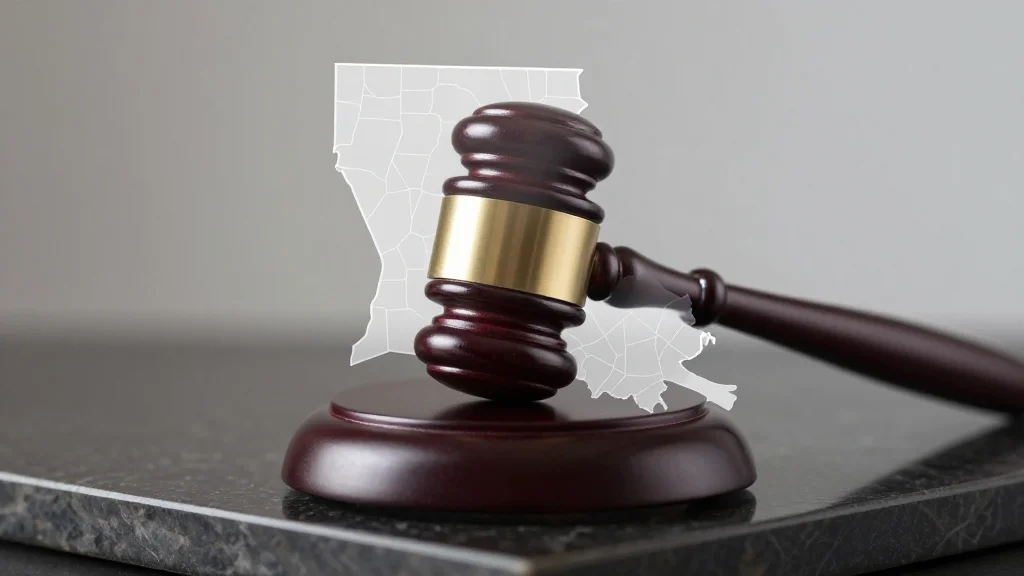
Supreme Court's 6‑3 Vote Cuts Louisiana Black District, Redrawing Voting‑Rights Landscape

Why It Matters
The decision reshapes the legal framework that has protected minority voting strength for more than half a century. By narrowing Section 2, the Court reduces the federal judiciary’s ability to block racially discriminatory district lines, potentially eroding the political representation of Black and Hispanic voters in Congress and state legislatures. This shift could accelerate partisan gerrymandering, alter the balance of power in the House, and influence policy outcomes on issues ranging from civil rights to federal spending. Beyond immediate electoral consequences, the ruling signals a broader judicial trend toward a color‑blind constitutional interpretation that may affect other anti‑discrimination statutes. Lawmakers, advocacy groups, and state officials will need to reassess strategies for protecting minority voting rights, possibly turning to state constitutions or new federal legislation to fill the gap left by the weakened Voting Rights Act.
Key Takeaways
- •Supreme Court ruled 6‑3 to strike down Louisiana's majority‑Black 6th congressional district.
- •Justice Alito called the map an "unconstitutional gerrymander," while Justice Kagan warned the decision "puts that achievement in peril."
- •The ruling narrows Section 2 of the Voting Rights Act, limiting federal courts' ability to block racially biased districts.
- •Republican officials in Tennessee, Georgia and other states immediately called for new redistricting sessions.
- •Legal experts describe the decision as a "wrecking ball" to the Voting Rights Act, raising concerns about minority representation.
Pulse Analysis
The Court’s 6‑3 decision is less a surprise than a culmination of a decade‑long assault on the Voting Rights Act’s enforcement mechanisms. By targeting the Louisiana map, the justices avoided a direct challenge to Section 5’s preclearance formula, instead focusing on the more nebulous race‑consideration standard of Section 2. This tactical narrowing sidesteps the need to revisit the 2013 Shelby County ruling, yet it achieves a similar end: eroding the federal shield that has forced states to justify race‑based districting.
Politically, the timing is critical. With the 2026 midterms already set, most states lack the procedural bandwidth to overhaul maps before the November ballot, but the ruling opens a legal corridor for challenges to existing majority‑minority districts in future cycles. GOP strategists are already drafting redistricting plans that could flip at least a dozen Democratic‑leaning seats, a shift that could tilt the House balance in the 2028 elections. Conversely, Democrats now face a steeper uphill battle to protect the few remaining protected districts, relying more heavily on state‑level voting‑rights provisions and grassroots mobilization.
The broader jurisprudential impact extends beyond voting. The Court’s embrace of a “color‑blind” doctrine, echoed by John Yoo’s praise, suggests future challenges to affirmative‑action policies, employment discrimination statutes, and even housing law could find a sympathetic audience. For minority communities, the decision underscores the urgency of building alternative legal defenses, such as state constitutional amendments or new federal legislation, before the window for effective judicial intervention narrows further. In short, the ruling not only redraws political maps but also redraws the legal terrain for civil‑rights protections in the United States.
Supreme Court's 6‑3 Vote Cuts Louisiana Black District, Redrawing Voting‑Rights Landscape
Comments
Want to join the conversation?
Loading comments...