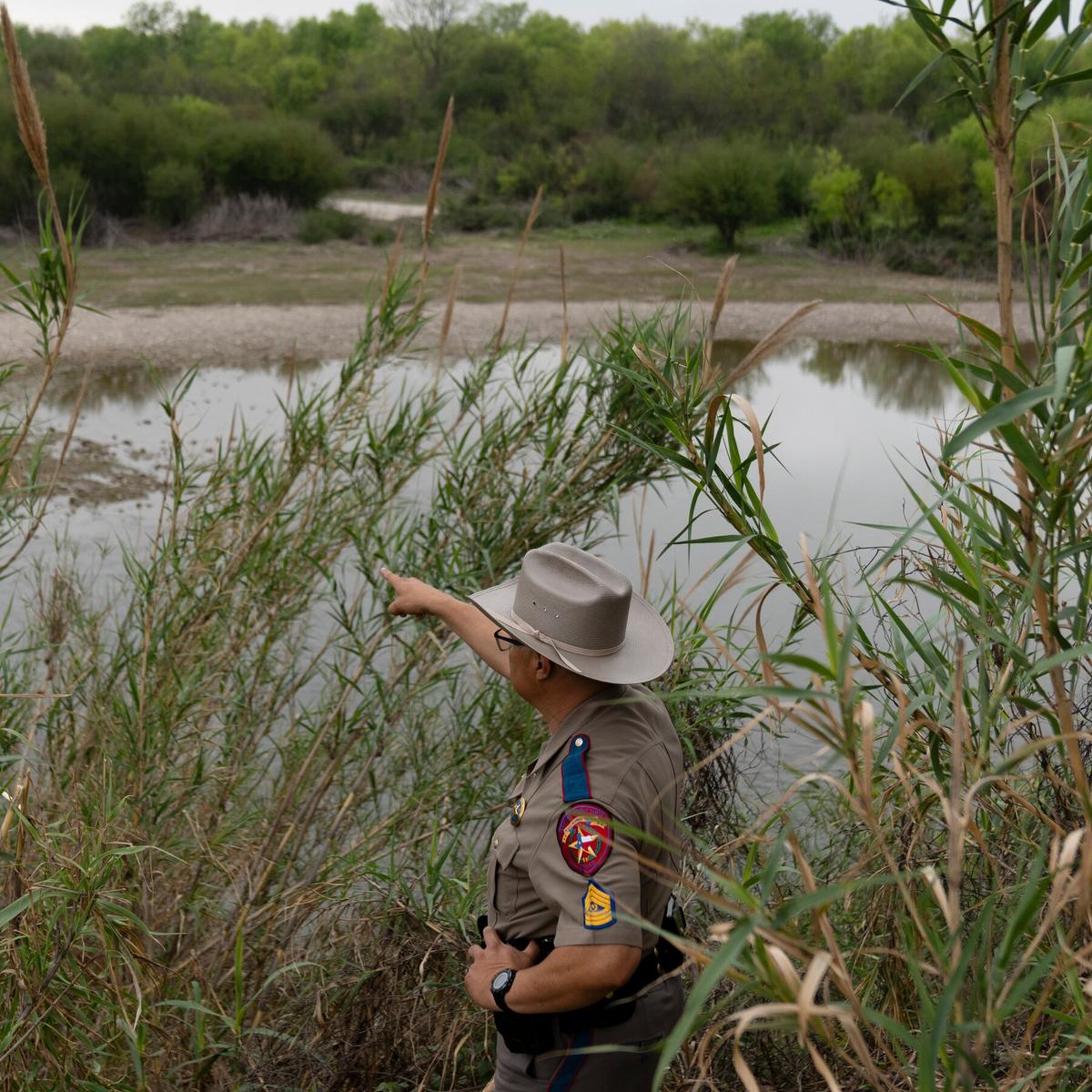
Texas Can Arrest and Deport People Who Illegally Cross at Mexico Border, Court Says
Why It Matters
The ruling expands state‑level immigration enforcement, potentially altering the federal‑state power balance and affecting border‑state economies and legal precedents.
Key Takeaways
- •Fifth Circuit lifts injunction, allowing Texas to enforce SB4
- •Law permits state police to arrest migrants crossing the Rio Grande
- •Ruling effective May 15; opponents plan immediate appeal
- •Case could reshape federal‑state balance over immigration enforcement
Pulse Analysis
Texas’s Senate Bill 4, enacted in 2023, expands state authority to detain and deport individuals who cross the U.S.–Mexico border illegally. The measure was designed to supplement federal immigration enforcement amid a surge of crossings along the Rio Grande. After a 2024 district‑court injunction halted the law, the U.S. Supreme Court briefly allowed it to proceed, sending the case back to the Fifth Circuit. The appellate panel’s recent 10‑to‑7 vote overturns the injunction, clearing the path for Texas police to act on SB4 starting May 15.
The Fifth Circuit’s decision rests on a procedural finding that the plaintiffs lacked standing, leaving the substantive constitutional question untouched. By sidestepping the federal‑preemption issue, the court leaves open the possibility of a future Supreme Court review that could redefine the balance of power between Washington and the states on immigration policy. Legal scholars note that if upheld, SB4 could set a precedent for other border states to adopt similar statutes, potentially fragmenting the nation’s immigration framework and prompting a wave of new lawsuits.
For businesses operating in Texas and the broader Southwest, the ruling may affect labor markets, supply‑chain logistics, and public‑safety costs. Companies reliant on seasonal agricultural workers could face tighter hiring constraints, while local governments might see increased expenditures for detention facilities and legal defenses. Politically, the decision fuels the ongoing debate over border security, influencing voter sentiment and corporate ESG assessments. Investors will be watching how quickly Texas implements the law and whether federal challenges succeed, as any shift in immigration enforcement can ripple through real‑estate, retail, and transportation sectors.
Texas Can Arrest and Deport People Who Illegally Cross at Mexico Border, Court Says
Comments
Want to join the conversation?
Loading comments...