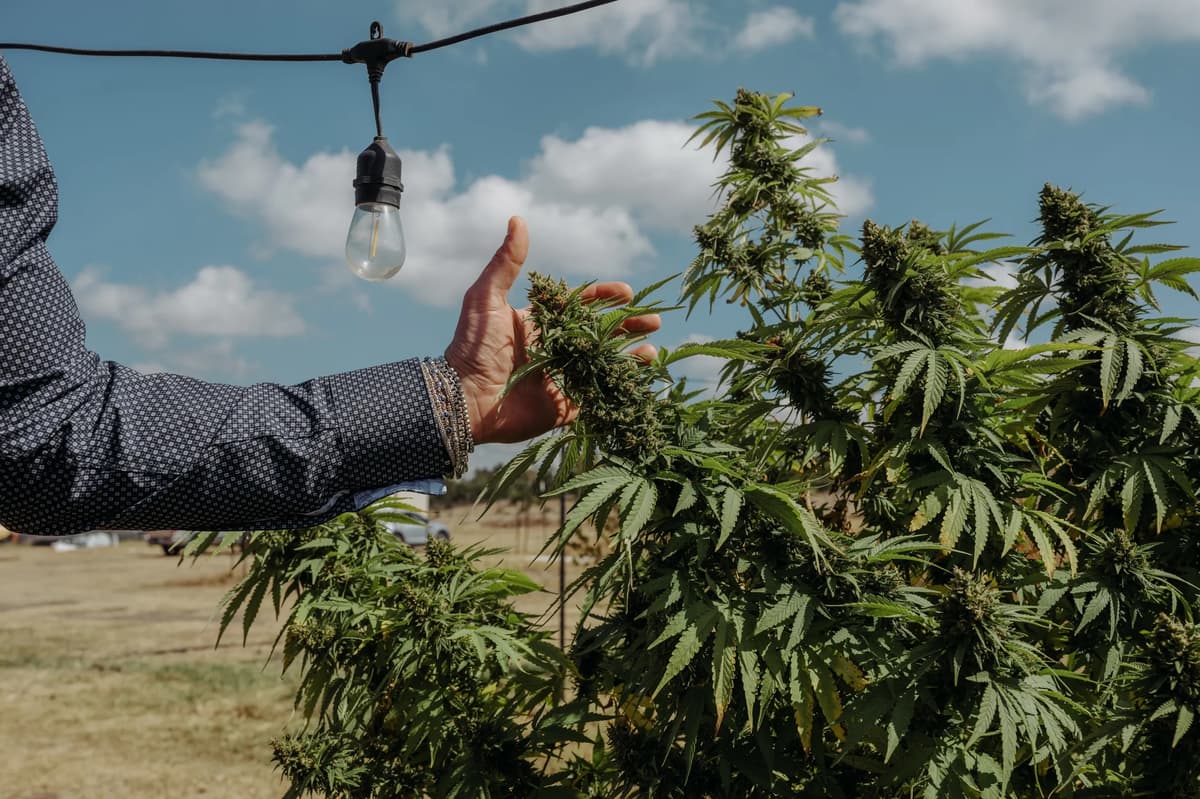
Texas Cannabis Businesses Sue State to Block Smokeable Hemp Ban
Why It Matters
The case could reshape Texas' regulatory landscape for hemp, determining whether agencies can impose restrictions that override legislative intent. A ruling in favor of the industry would preserve a growing market segment and limit costly compliance burdens.
Key Takeaways
- •Texas agencies raised hemp licensing fees to $10,000 per facility.
- •New rules cap THC at 0.3%, banning THCA flower and joints.
- •Hemp coalition sues, alleging agencies overstepped constitutional authority.
- •Industry backs age verification but opposes bans on smokable hemp.
Pulse Analysis
Texas legalized hemp in 2019, defining it as cannabis containing less than 0.3% delta‑9 THC. Producers quickly exploited a loophole by cultivating THCA‑rich hemp, which can be activated by heat to produce a psychoactive effect. This created a de‑facto recreational market that lawmakers feared, especially for minors. As a result, the state health agencies introduced stricter rules in March, targeting consumable hemp‑derived THC products with tighter testing, labeling, and age‑verification requirements.
The new regulations also dramatically increase financial barriers: licensing fees for manufacturers jump from $258 to $10,000 per facility, and retail registrations rise from $155 to $5,000. More critically, the rules redefine compliance by measuring total THC content, regardless of whether it is activated only when smoked. This effectively bans popular THCA flower and pre‑rolled joints, prompting the Texas Hemp Business Council and allied groups to sue, claiming the agencies have usurped legislative power. The plaintiffs emphasize that they support consumer‑safety measures but reject rules that would eliminate an entire product line and threaten the viability of local hemp farms.
The lawsuit highlights a broader tension between state regulators and emerging cannabis markets nationwide. If courts side with the hemp industry, Texas may see a more permissive environment that encourages innovation and investment in smokable hemp products. Conversely, a ruling upholding the agency's authority could set a precedent for aggressive regulatory action, prompting businesses to seek federal guidance or relocate to more favorable jurisdictions. Stakeholders across the supply chain are watching closely, as the outcome will influence licensing strategies, product development, and the overall growth trajectory of the Texas hemp sector.
Texas Cannabis Businesses Sue State to Block Smokeable Hemp Ban
Comments
Want to join the conversation?
Loading comments...