Why It Matters
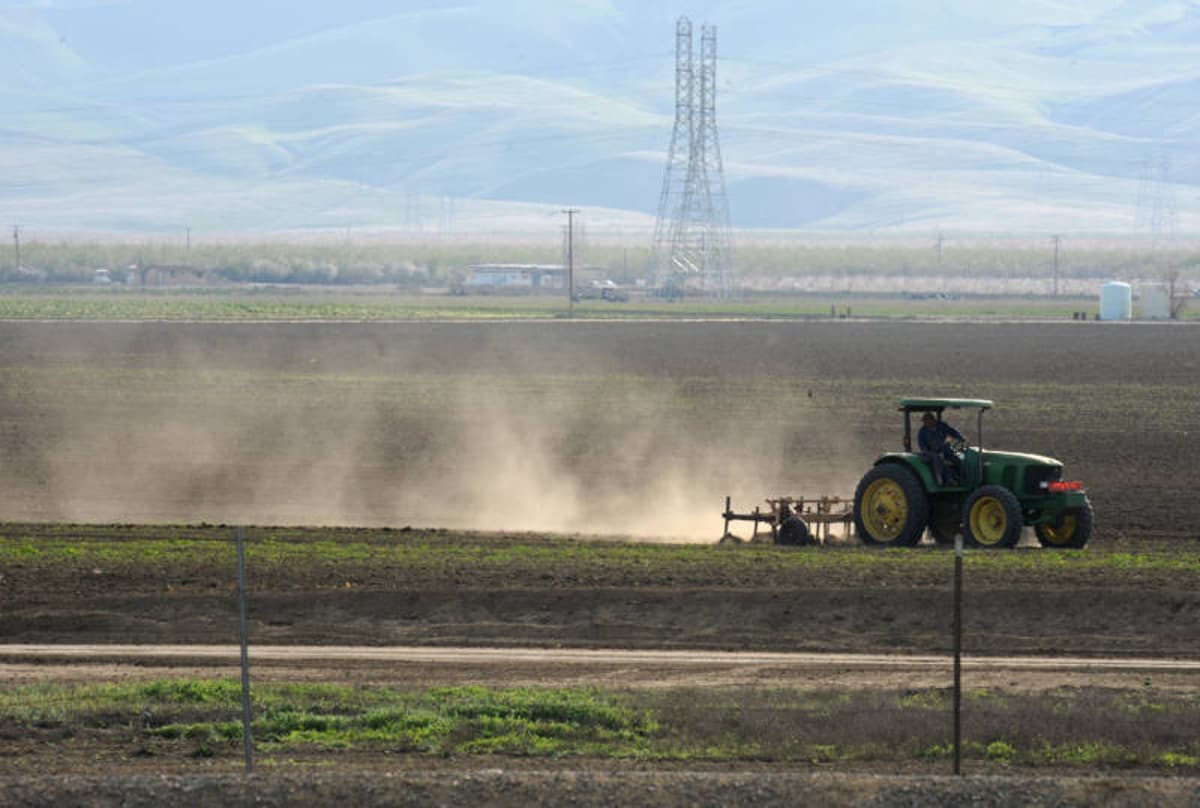
Dust exposure is emerging as a multi‑dimensional public‑health and environmental threat, influencing healthcare costs, transportation safety and water resource management. Understanding its impacts enables policymakers and communities to implement targeted interventions before larger economic and ecological damage occurs.
Key Takeaways
- •UC Dust Team links particles to respiratory illnesses across California
- •Research shows dust storms increase car accidents and livestock injuries
- •Findings suggest dust accelerates snowpack melt, affecting water resources
- •Team’s outreach influences local policy on air‑quality monitoring
- •Study highlights need for public‑health strategies to reduce indoor dust
Pulse Analysis
California’s rapid urbanization and recurring droughts have amplified the prevalence of fine particulate matter, prompting scientists at UC Merced to launch the UC Dust Team. Combining field sampling, laboratory analysis and epidemiological modeling, the consortium has built the most comprehensive dust database in the state. Their research demonstrates a clear correlation between elevated airborne dust concentrations and spikes in asthma‑related emergency visits, especially among children and the elderly. By mapping dust hotspots, the team provides a vital tool for health officials seeking to allocate resources and issue timely alerts.
Beyond health, dust storms are reshaping California’s safety landscape. The team’s 2025 report documented a 12% rise in vehicle collisions during high‑dust events, attributing reduced visibility and road‑surface abrasion to the uptick. Livestock farms report increased respiratory infections and skin irritations, while the abrasive particles accelerate snowpack melt in the Sierra Nevada, hastening runoff and threatening downstream water reservoirs. These findings underscore dust’s role as a hidden catalyst for economic losses in transportation, agriculture and water management sectors.
Policymakers are now confronting the need for integrated dust mitigation strategies. The UC Dust Team’s outreach has spurred several counties to adopt real‑time air‑quality monitoring stations and to revise building‑code standards that promote dust‑resistant filtration systems. Public‑health campaigns encourage residents to seal homes, use HEPA filters, and limit outdoor activities during peak dust periods. As climate models predict more frequent arid conditions, scaling these interventions will be crucial to curbing the cascading impacts of dust on California’s economy and public well‑being.
The Big Impacts of Small Dust Particles
Comments
Want to join the conversation?
Loading comments...