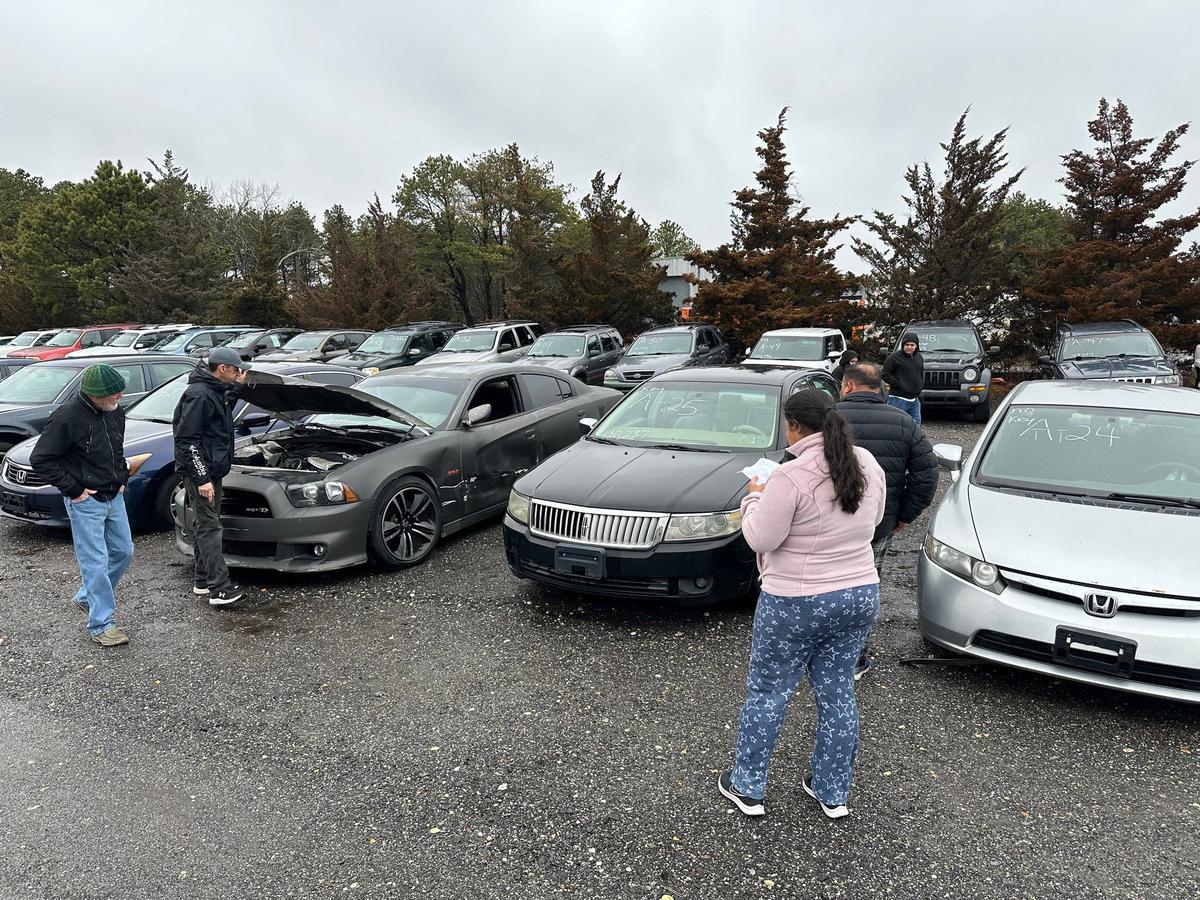
The California DMV Profits From Impounded Car Auctions. State Lawmakers Want to Change That
Why It Matters
The legislation forces the DMV to return surplus auction proceeds to rightful owners, enhancing consumer protection and state transparency while modestly reducing state revenue.
Key Takeaways
- •DMV earned $8 million from 5,300 impounded car auctions (2016‑2024).
- •Owners currently receive no notice of surplus funds after lien sales.
- •SB 1029 mandates 14‑day owner notification and claim instructions.
- •Unclaimed surplus reverts to state fund after three years.
Pulse Analysis
The California Department of Motor Vehicles has turned impounded‑vehicle auctions into a modest revenue stream, collecting more than $8 million from the sale of roughly 5,300 cars between 2016 and 2024. Under current law, once a lien holder’s claim is satisfied, any surplus proceeds automatically flow to the Motor Vehicle Account in the State Transportation Fund, and the DMV is not required to inform the vehicle’s registered owner. This opacity leaves owners—often low‑income Californians who lost their cars to unpaid parking or storage fees—without a realistic chance to recover funds that legally belong to them.
Senate Bill 1029, introduced by Senator Kelly Seyarto on April 17, 2026, seeks to close that gap. The bill obliges the DMV to send a written notice within 14 days of a lien‑sale surplus, outlining how owners can file a claim, and it extends the claim window beyond the existing three‑year forfeiture period. Co‑sponsors Senator Brian Jones and Senator Rosilicie Ochoa Bogh argue the measure restores fairness and transparency to a process that has long favored the state’s treasury over consumers.
If enacted, SB 1029 could reshape how state agencies handle surplus auction proceeds nationwide, prompting other jurisdictions to adopt similar consumer‑protection safeguards. While the DMV would forfeit a small slice of its $8 million earnings, the policy shift may improve public trust and reduce complaints about hidden fees. Moreover, the bill highlights a growing legislative focus on equitable treatment of financially vulnerable citizens, a trend that could influence future reforms in areas such as utility billing, tax liens, and other government‑run asset disposals.
The California DMV Profits From Impounded Car Auctions. State Lawmakers Want to Change That
Comments
Want to join the conversation?
Loading comments...