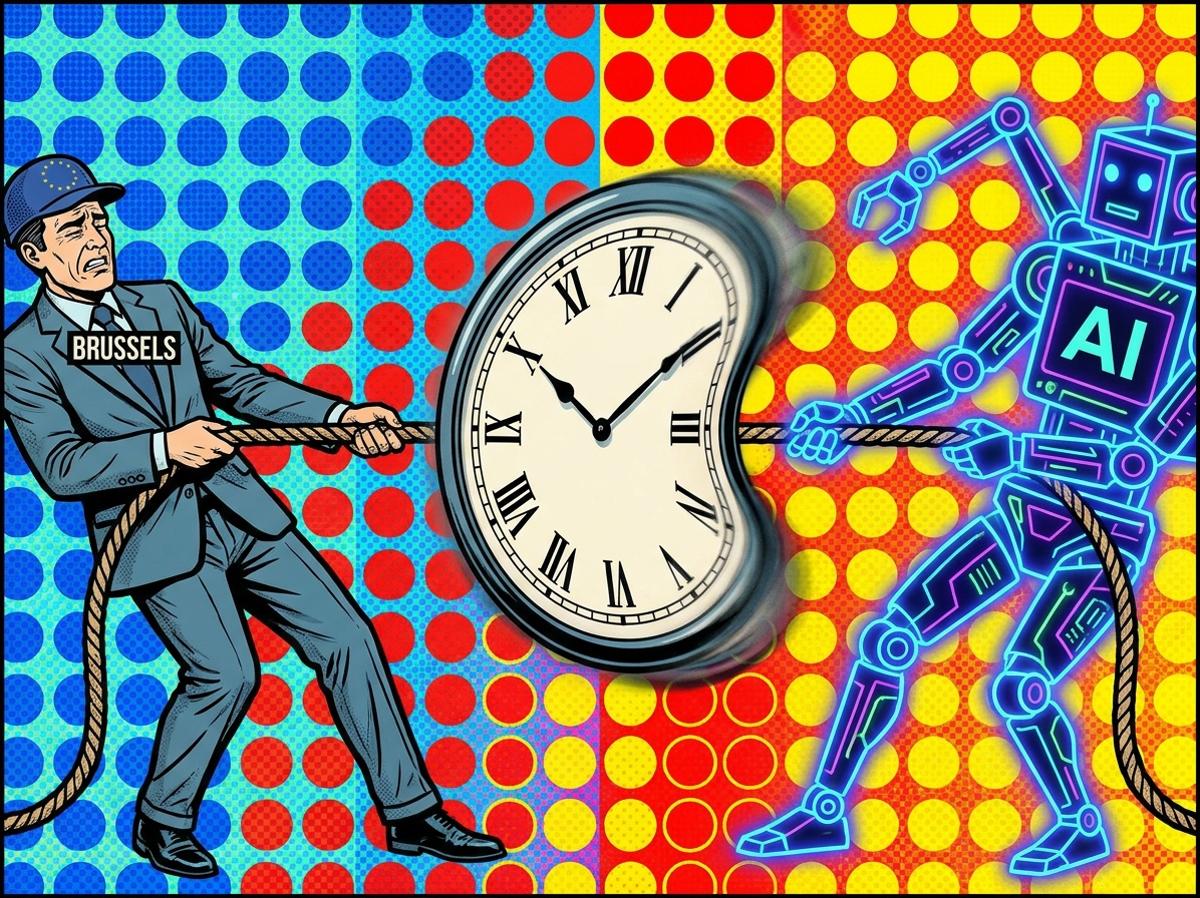
The DMA’s AI Dilemma: Too Soon, Too Late, or Both?
Key Takeaways
- •AI integration in existing gatekeepers fits current DMA rules
- •Standalone AI tools lie outside DMA’s core platform definitions
- •Commission proposes no changes, citing DMA’s adaptability
- •Regulatory gap may let new AI gatekeepers avoid oversight
Pulse Analysis
The Digital Markets Act was introduced to curb the power of entrenched Big Tech platforms by imposing ex‑ante obligations on designated gatekeepers. Its first review, released as AI technologies accelerate, highlights a fundamental tension: the act was crafted for a pre‑AI digital ecosystem, yet today AI assistants, agents, and foundation models are redefining how users discover and purchase online services. While the Commission argues the DMA’s open‑ended standards can evolve, the rapid emergence of AI‑driven intermediation tests the law’s flexibility and raises questions about its long‑term relevance.
A key insight from the review is that AI can be regulated under the DMA when existing gatekeepers embed it into services such as search, browsers, or e‑commerce platforms. The Commission’s recent specification proceeding against Google—demanding fair access to Android features and anonymised search data for third‑party AI providers—illustrates how current provisions can address self‑preferencing risks. However, pure‑play AI firms that offer conversational agents or specialised models do not neatly fit any of the eight core platform categories. Without a clear pathway to gatekeeper designation, these newcomers may operate outside the DMA’s reach, creating a split regulatory landscape that favours incumbents.
The broader policy dilemma revolves around timing. Extending ex‑ante rules to AI now could stifle innovation in a still‑fluid market, yet delaying action risks new AI gatekeepers consolidating power before oversight catches up. European lawmakers must weigh the trade‑off between protecting competition and preserving the experimental space that fuels AI breakthroughs. For businesses, the signal is clear: monitor how AI functionalities are integrated into existing platforms and watch for any future amendments that might broaden the DMA’s scope to cover standalone AI services. The outcome will shape competitive dynamics across Europe’s digital economy for years to come.
The DMA’s AI Dilemma: Too Soon, Too Late, or Both?
Comments
Want to join the conversation?