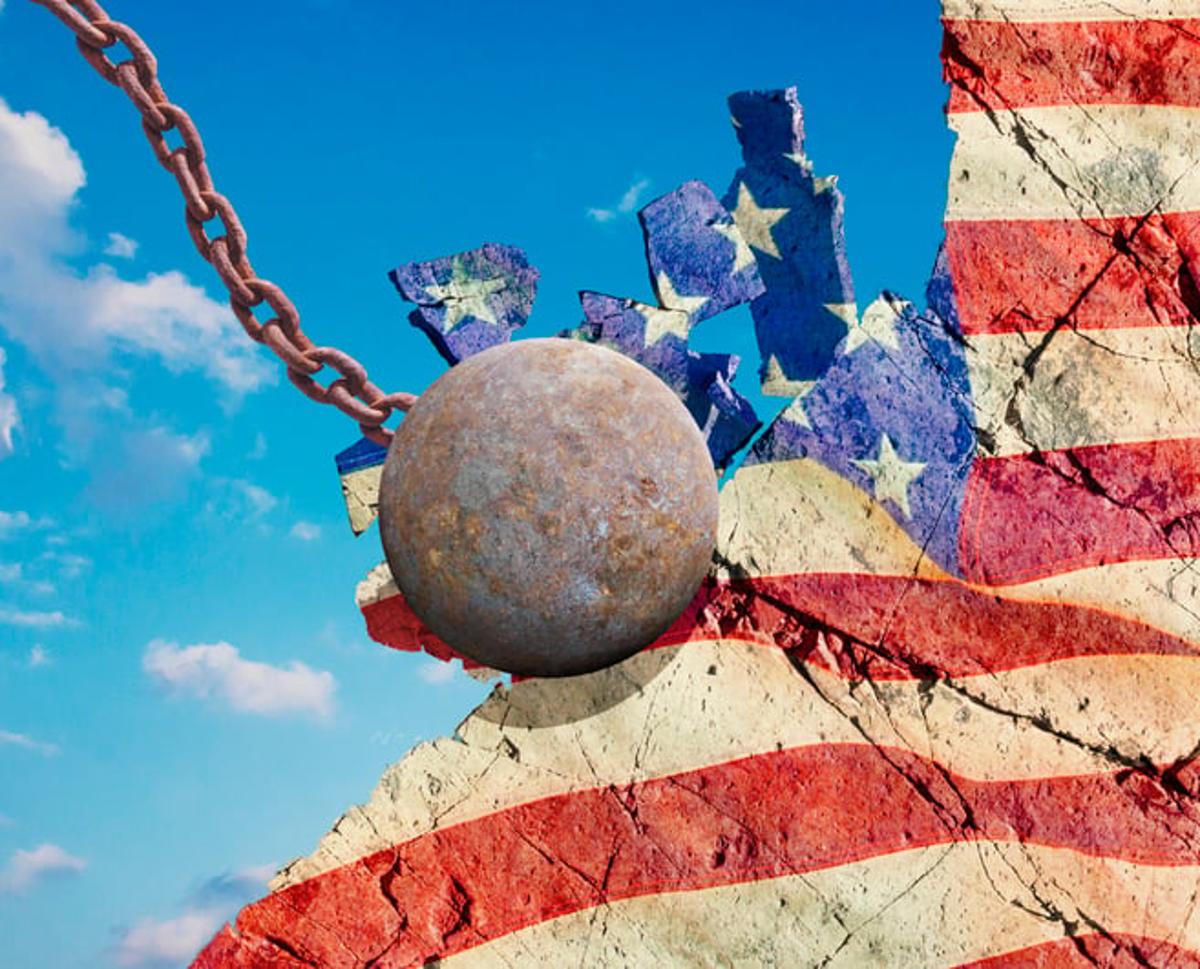
The Roberts Court Came In Like A Wrecking Ball For The Voting Rights Act
Why It Matters
With federal safeguards weakened, minority voters face heightened risk of disenfranchisement, reshaping the national electoral landscape.
Key Takeaways
- •Roberts Court has nullified Section 5 preclearance.
- •Supreme Court struck down coverage formula in 2023.
- •Recent decision further weakens enforcement mechanisms.
- •Voting rights groups warn of increased suppression.
- •Federal oversight of elections now largely absent.
Pulse Analysis
The Voting Rights Act of 1965 was a cornerstone of American democracy, designed to prevent racial discrimination in elections. Its two strongest provisions—Section 5’s preclearance requirement and the Section 4(b) coverage formula—ensured that jurisdictions with histories of voting abuses could not change election rules without federal approval. The 2013 Supreme Court decision in Shelby County v. Holder struck down the coverage formula, effectively neutering preclearance and setting a precedent for further erosion of the Act’s power.
In the years since, the Roberts Court has systematically chipped away at the VRA’s remaining safeguards. Professor Rick Hasen, a leading election law expert, described the Court’s approach as a "wrecking ball," noting that recent rulings have invalidated key enforcement tools and dismissed challenges to state voting restrictions. The latest decision, cited in the article, removes any residual authority to intervene in discriminatory practices, signaling that the Court views the VRA as largely obsolete. This judicial trajectory reflects a broader conservative shift that prioritizes state autonomy over federal oversight in election administration.
The practical impact is profound. Without robust federal review, states can enact voter‑ID laws, reduce early‑voting periods, and limit language assistance with fewer legal hurdles, potentially suppressing turnout among minority communities. Civil‑rights groups are urging Congress to craft a new coverage formula and restore preclearance powers, but legislative inertia and partisan gridlock make that prospect uncertain. As the 2026 midterms approach, the weakened VRA could reshape campaign strategies, voter mobilization efforts, and the overall integrity of U.S. elections.
The Roberts Court Came In Like A Wrecking Ball For The Voting Rights Act
Comments
Want to join the conversation?
Loading comments...