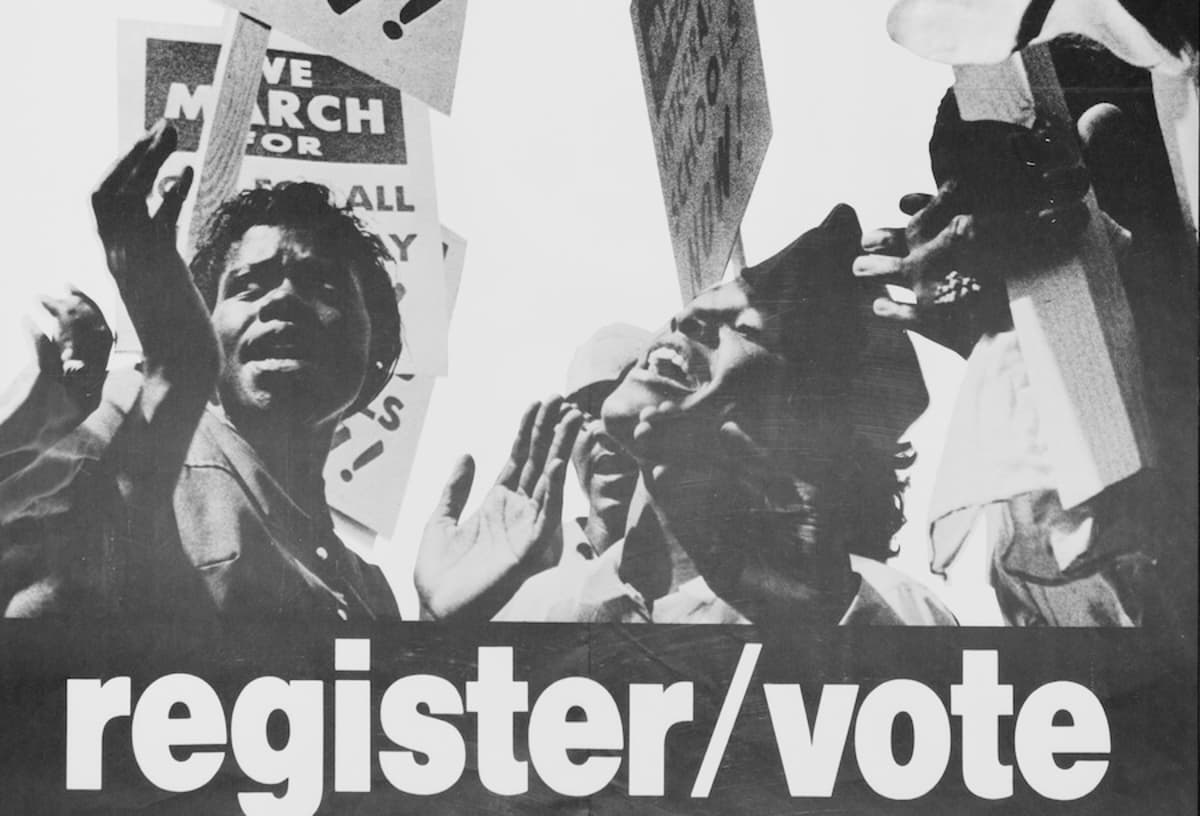
Why It Matters
The decision threatens to erode decades of voting‑rights protections, reshaping electoral power in favor of Republican‑controlled legislatures and jeopardizing minority representation nationwide.
Key Takeaways
- •Supreme Court struck down core protections of the Voting Rights Act.
- •Decision came in *Louisiana v. Callais* on April 29, 2026.
- •Ruling could accelerate partisan gerrymandering in Republican‑controlled states.
- •Democrats may prioritize VRA restoration if they win 2028 elections.
- •Congressional reversal faces steep hurdles due to new redistricting maps.
Pulse Analysis
The Voting Rights Act, first passed in 1965, has been the cornerstone of American civil‑rights law, repeatedly reauthorized by Congress to expand voting access for minorities. By declaring the Act’s preclearance and related provisions unconstitutional, the Supreme Court’s April 2026 decision in Louisiana v. Callais removes a critical federal check on state election laws. Legal scholars argue the Court’s reinterpretation is unprecedented, effectively nullifying the mechanisms that once prevented discriminatory voting practices and setting a new legal baseline for election regulation.
Politically, the ruling opens the door for aggressive partisan redistricting in states where Republicans control the legislature. Without the Act’s oversight, states can redraw districts with fewer constraints, potentially diluting Black and Latino voting power—a scenario reminiscent of the post‑Reconstruction “Redemption” era that restored white supremacist dominance in the South. Advocacy groups warn that the decision will accelerate voter suppression tactics, from strict ID laws to reduced early‑voting opportunities, reshaping the electoral landscape ahead of the 2026 midterms and beyond.
Congressional response will be the next battleground. While the Constitution grants Congress authority to amend or reenact voting‑rights protections, the new partisan mapmaking may make passing robust legislation more difficult. Democrats eye the 2028 presidential and congressional elections as a pivotal moment to reclaim a majority and prioritize a VRA restoration package. However, any legislative effort must navigate a Senate likely split along party lines and contend with entrenched state‑level reforms already in motion, making the path to reinstating federal voting safeguards a complex and contested endeavor.
The Second ‘Redemption’
Comments
Want to join the conversation?
Loading comments...