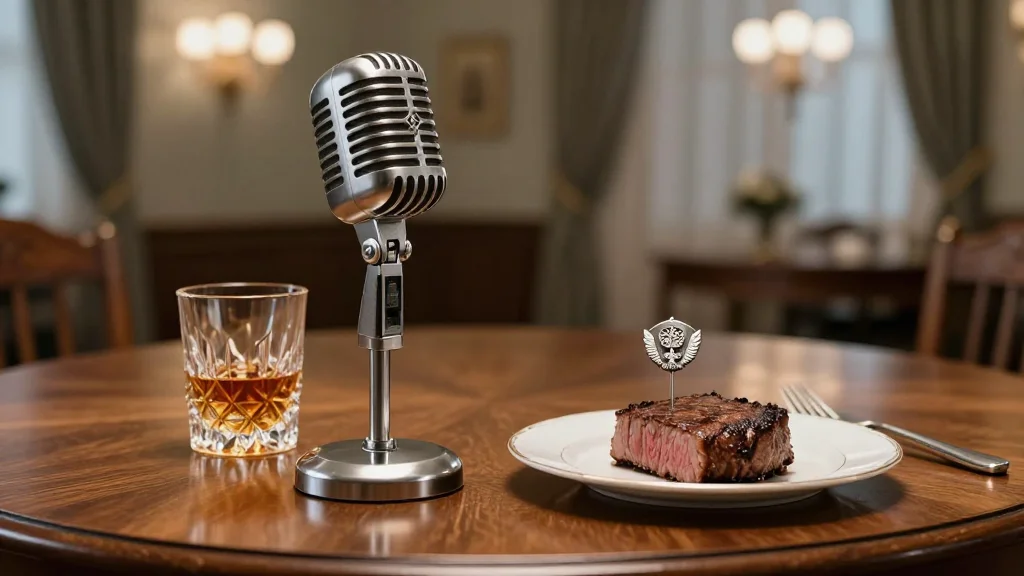
The Secret Dinners of Cold War Journalism
Why It Matters
The legacy of secret briefings shows how privileged access can skew news coverage, eroding public trust and shaping policy narratives. Understanding this history is essential for safeguarding press independence in a digital age.
Key Takeaways
- •WWII began private, off‑record dinner briefings with military officials
- •Lindley Rule formalized off‑record and no‑by‑line background reporting
- •Dinners excluded women, Black journalists, reinforcing a homogeneous press elite
- •Legacy persists; 2025 Pentagon walkout highlighted ongoing access‑vs‑integrity tension
Pulse Analysis
The origins of Washington’s secret dinner briefings trace back to November 1942, when Admiral Ernest J. King’s civilian friend hosted a handful of reporters in Alexandria, Virginia. The informal setting humanized the admiral, leading to a front‑page story that painted Army‑Navy relations as harmonious. This early success demonstrated the power of off‑the‑record conversations, prompting the Pentagon and the White House to institutionalize similar gatherings throughout the war and into the Cold War era. By offering exclusive insight, officials secured favorable coverage while journalists gained coveted status within their newsrooms.
During the Cold War, the practice evolved into a structured system known as the Lindley Rule, which codified two tiers of background information: completely off‑the‑record and not‑for‑attribution. High‑profile briefings—such as John Foster Dulles’s 1953 dinner at the Carlton Hotel—produced nuanced, sometimes explosive, intelligence that reporters collectively chose to withhold for national‑security reasons. However, the exclusivity of these events systematically excluded women, Black journalists, and dissenting voices, reinforcing a homogeneous press elite that often echoed official narratives on Korea, Vietnam, and anti‑communist policy. The resulting consensus shaped public perception of U.S. foreign policy as unequivocally righteous.
The legacy of these private briefings remains evident today. In October 2025, dozens of journalists walked out of the Pentagon rather than sign a pledge to echo the administration’s line, and a March 2026 federal judge ruled the Department of Defense had violated First and Fifth Amendment rights. This modern stand underscores the enduring conflict between privileged access and journalistic integrity. As digital media democratizes information, the press must reassess the value of exclusive briefings and prioritize transparency to restore credibility and ensure a more inclusive, accountable news ecosystem.
The Secret Dinners of Cold War Journalism
Comments
Want to join the conversation?
Loading comments...