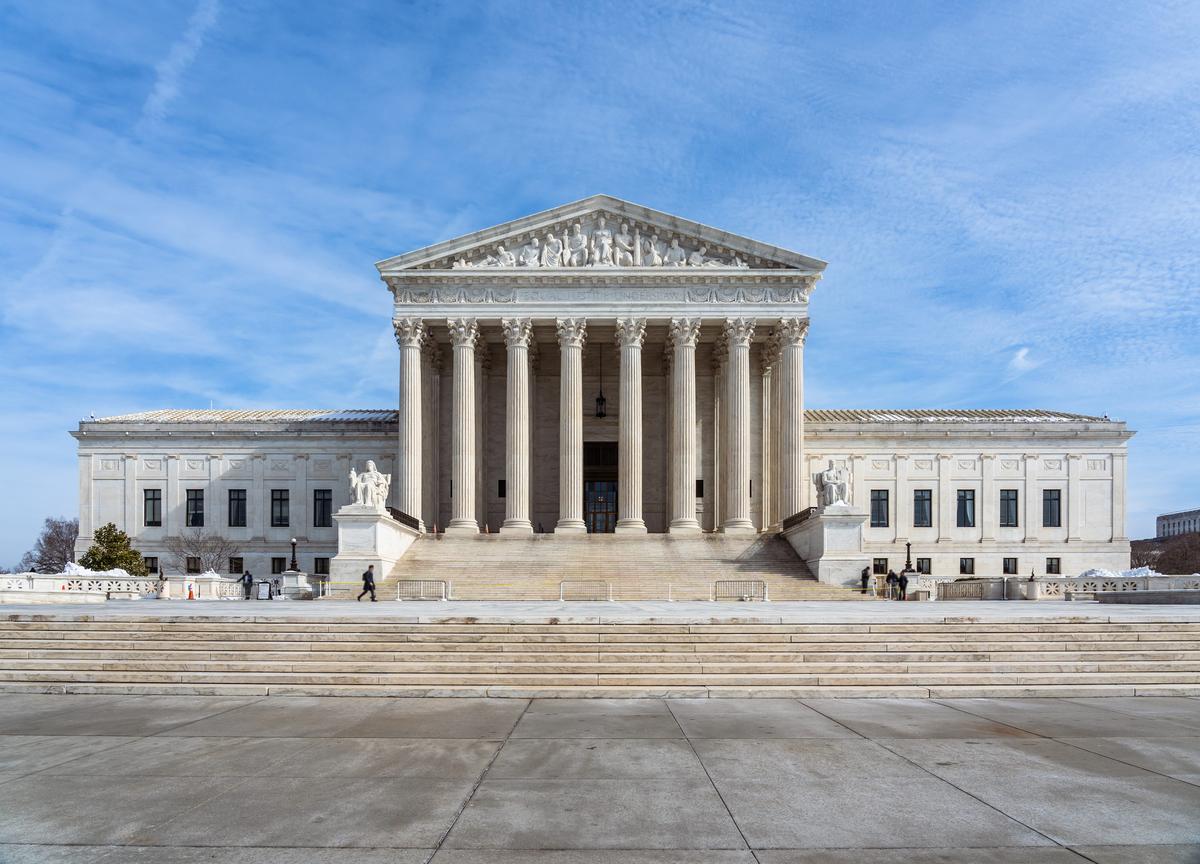
The Supreme Court Has Stripped Our Voting Rights Back to the Pre-Civil Rights Era
Why It Matters
By dismantling Section 2, the Court removes a key federal tool that has safeguarded minority voters, potentially reshaping electoral maps and diminishing Black political influence. The ruling forces Congress and states to confront a legal vacuum in voting‑rights enforcement.
Key Takeaways
- •Supreme Court 6‑3 vote nullifies VRA Section 2
- •Decision limits race‑conscious redistricting nationwide
- •Ruling may spark challenges to minority‑majority districts
- •Critics warn erosion of voting protections for Black voters
- •Congress may need new legislation to restore safeguards
Pulse Analysis
The Supreme Court’s recent decision to strike down Section 2 of the Voting Rights Act marks a watershed moment in American election law. Section 2, enacted in 1965, has served as a backstop against discriminatory redistricting, allowing courts to intervene when minority voters are diluted. By declaring that any consideration of race in drawing district lines is unconstitutional, the majority has effectively removed the federal safeguard that has underpinned dozens of majority‑Black districts, especially in the South. This shift reflects a broader judicial trend toward a color‑blind interpretation of the Constitution, even when such an approach may overlook historic inequities.
The immediate impact will be felt in states with contested maps, where plaintiffs can no longer rely on Section 2 to contest gerrymanders that disadvantage Black or Latino voters. Legal scholars anticipate a surge of lawsuits challenging existing districts on equal‑protection grounds, but without the clear standard that Section 2 provided, courts may struggle to define permissible redistricting practices. Meanwhile, political parties may seize the opportunity to redraw lines with fewer constraints, potentially reshaping the balance of power in Congress and state legislatures.
Congressional leaders now face pressure to craft a new voting‑rights framework that can survive the Court’s scrutiny. Proposals range from restoring a modernized VRA to introducing federal oversight mechanisms that focus on transparency rather than race. The debate will likely become a partisan flashpoint, with Democrats urging swift action to protect minority representation and Republicans cautioning against federal overreach. Regardless of the legislative outcome, the Court’s ruling underscores the fragility of civil‑rights protections and the need for proactive policy solutions to ensure fair voting access for all Americans.
The Supreme Court Has Stripped Our Voting Rights Back to the Pre-Civil Rights Era
Comments
Want to join the conversation?
Loading comments...