The Week in Data March 11: A Look at Legal Industry Trends by the Numbers
•March 11, 2026
0
Why It Matters
The surge in misconduct reports and new transparency rules signal heightened scrutiny of judicial conduct, potentially reshaping accountability standards across the legal sector.
Key Takeaways
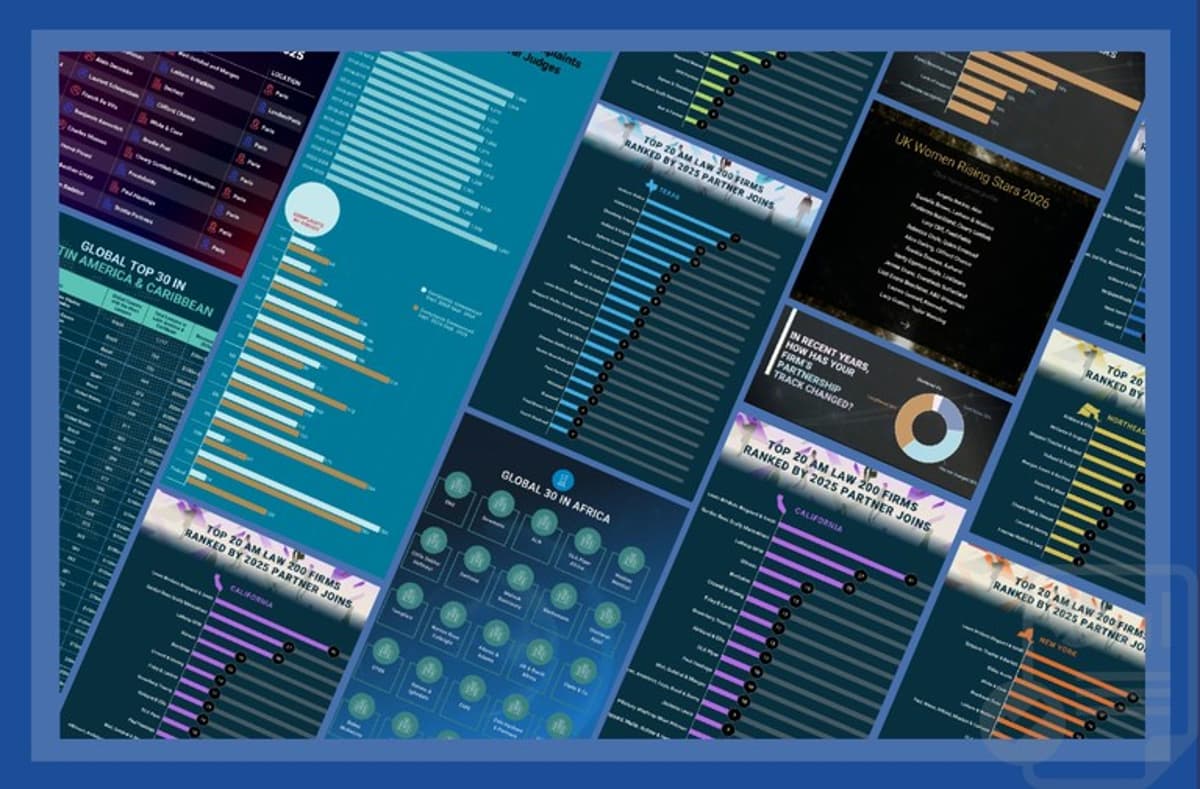
- •Judicial misconduct complaints rose to 1,603, up 400 from 2024.
- •Litigants filed 79% of complaints; inmates 16%.
- •Resigning judges still face discipline under watchdog agency.
- •GA judges warn rule of law threats, urging action.
- •Supreme Court mandates stock ticker disclosures for conflict checks.
Pulse Analysis
The spike in judicial misconduct complaints reflects growing willingness among litigants and even incarcerated individuals to challenge perceived bias or procedural errors. Data shows a 25% increase year‑over‑year, suggesting that either misconduct is rising or reporting mechanisms are becoming more accessible. Law firms and courts are likely to invest in stronger internal compliance programs to mitigate reputational risk and avoid costly litigation stemming from these allegations.
Resignations by judges under investigation underscore a tension between personal accountability and institutional oversight. While stepping down may appear to resolve immediate public pressure, watchdog agencies maintain that pending ethics cases remain actionable, preserving the integrity of the disciplinary process. This stance reinforces the principle that judicial authority cannot be evaded through resignation, prompting courts to revisit policies on case continuity and successor appointments.
The Supreme Court's new requirement for litigants to list corporate stock tickers marks a significant shift toward transparency in conflict‑of‑interest assessments. By feeding precise ticker data into conflict‑checking software, the judiciary aims to streamline disclosures and reduce the likelihood of undisclosed financial ties influencing rulings. This development aligns with broader industry trends favoring data‑driven governance and may set a precedent for other regulatory bodies seeking to enhance ethical oversight.
The Week in Data March 11: A Look at Legal Industry Trends by the Numbers
0
Comments
Want to join the conversation?
Loading comments...