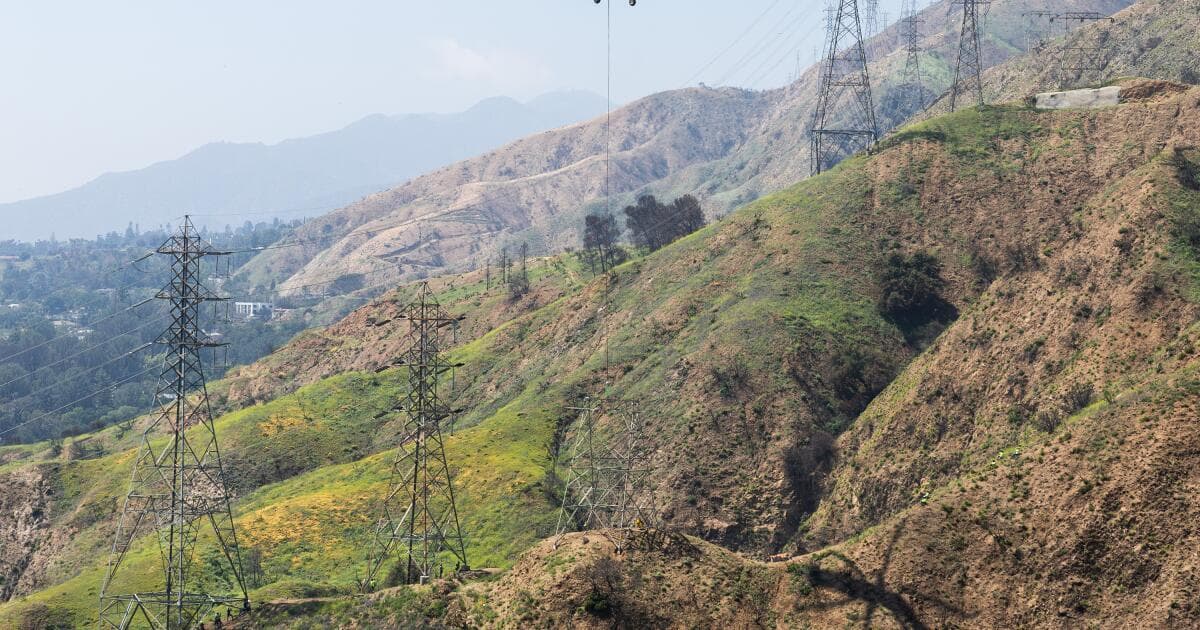
Their Homes Burned in the Eaton Fire. Why Edison Has Kept Information About the Fire Under Wraps
Companies Mentioned
Why It Matters
Withholding evidence hampers accountability and could shift billions in wildfire liability onto ratepayers, influencing both legal outcomes and future utility regulation.
Key Takeaways
- •Edison cites attorney‑client privilege to seal fire investigation documents
- •Sealed records allege neglected inspections and unattended idle transmission line
- •Regulators say secrecy hampers learning lessons to prevent future fires
- •Protective orders may shift wildfire costs onto ratepayers if utility evades liability
- •Court recently ordered Edison to provide additional documents to plaintiffs
Pulse Analysis
The Eaton fire, which scorched over 14,000 acres and razed homes in Altadena, has become a flashpoint for the tension between utility secrecy and public safety. While SCE argues that protecting internal investigations is essential for legal strategy, the fire’s victims and state regulators contend that the lack of transparency prevents a clear understanding of how an idle, century‑old transmission line ignited a deadly blaze. The sealed documents, hinted at in court filings, suggest lapses in line inspections, inadequate vegetation management, and reliance on external contractors—factors that, if disclosed, could inform stricter maintenance standards across California’s power grid.
Legal experts note that SCE’s reliance on attorney‑client privilege and protective orders is not unique; the utility has employed similar tactics in lawsuits stemming from the Creek, Thomas, Woolsey, and other wildfires. Courts have generally upheld these orders, citing the need to shield privileged communications and proprietary data. However, critics argue that such confidentiality undermines the regulatory purpose of post‑fire investigations, which are meant to identify systemic failures and guide policy reforms. The recent Los Angeles County Superior Court decision ordering SCE to produce more documents reflects growing judicial willingness to balance privilege claims against the public interest in fire safety data.
The broader implications extend beyond a single litigation. If utilities can routinely conceal evidence of negligence, the financial burden of wildfire damage may increasingly fall on consumers through rate hikes, especially when state wildfire funds cover costs only if utilities are deemed prudent. Lawmakers are therefore considering legislation to limit the use of protective orders in wildfire cases, aiming to enhance transparency and ensure that lessons learned translate into concrete safety upgrades. For investors and policymakers, the Eaton case underscores the need to monitor utility disclosure practices, as they directly affect risk assessments, regulatory compliance, and the long‑term cost of electricity for households and businesses.
Their homes burned in the Eaton fire. Why Edison has kept information about the fire under wraps
Comments
Want to join the conversation?
Loading comments...