Why It Matters
Without enforceable copyright, fully AI‑generated content loses its commercial viability, preserving the economic advantage of human‑created works and reshaping investment in generative technologies.
Key Takeaways
- •US Supreme Court upheld Copyright Office stance: AI‑generated works lack owners
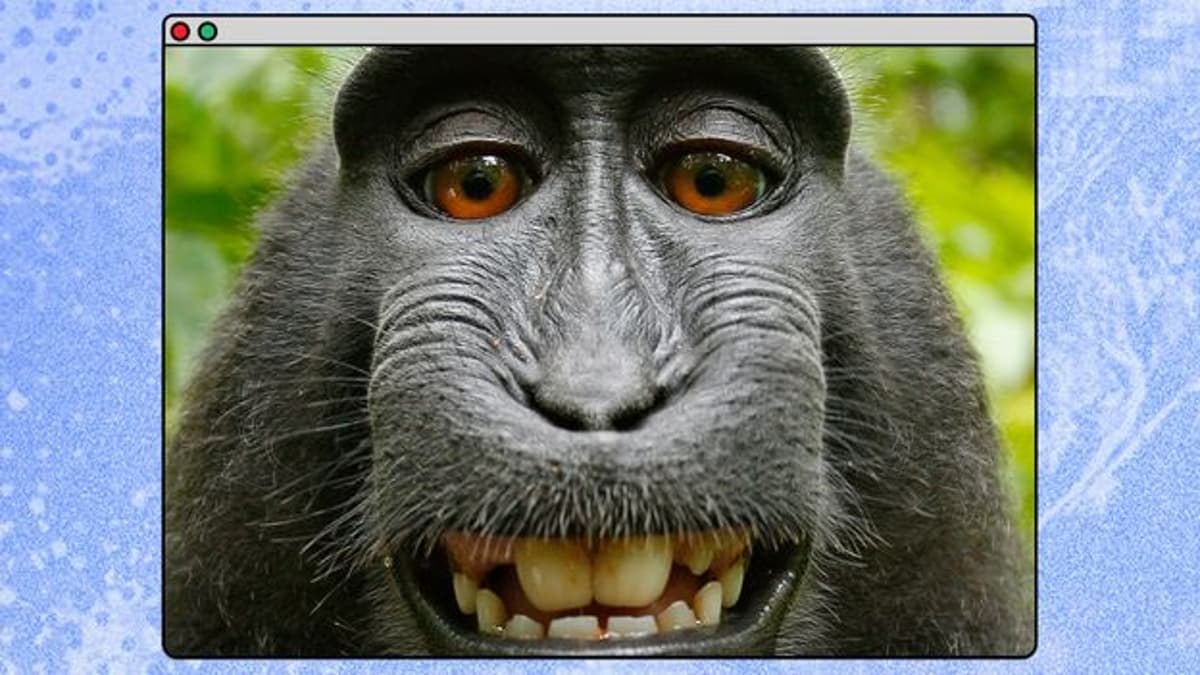
- •Monkey selfie case set precedent for non‑human authorship disputes
- •UK law still allows copyright via “arranger” attribution, unlike US
- •AI‑only content faces weak business case without enforceable copyright
- •Disney canceled $1 bn AI partnership amid copyright uncertainty
Pulse Analysis
The saga began in 2011 when a crested black macaque in Indonesia unintentionally snapped a selfie, sparking a legal battle that questioned whether a non‑human could own a photograph. The U.S. Copyright Office ultimately ruled the image public domain, setting a precedent that any work lacking a human author is ineligible for protection. That early case resurfaced as courts grappled with the rise of generative AI, where machines can produce images, music, and text without direct human input.
Fast‑forward to the present, computer scientist Stephen Thaler’s AI system DABUS generated an artwork that the Copyright Office also refused to register. After lower‑court defeats, Thaler appealed to the Supreme Court, which declined to review the case in March, leaving the lower‑court ruling intact. The decision signals that AI‑only creations cannot be owned by the developer, the user, or the machine itself, a verdict that threatens the profitability of pure‑AI content pipelines. Companies like Disney have already pulled $1 bn AI partnership deals, and OpenAI shut down its Sora app, reflecting industry caution.
Globally, the regulatory picture is uneven. The United Kingdom permits copyright for fully machine‑generated works by attributing authorship to the human who arranged the creation, offering a more creator‑friendly framework. Yet lawmakers there are reconsidering the approach as generative tools become more sophisticated. The unresolved question remains: how much human involvement is required for a work to qualify for protection? Until courts provide clear guidance, creators and enterprises must treat AI as a collaborative tool rather than a sole author, preserving the distinct value of human creativity in the digital age.
This monkey selfie will protect you from AI slop
Comments
Want to join the conversation?
Loading comments...