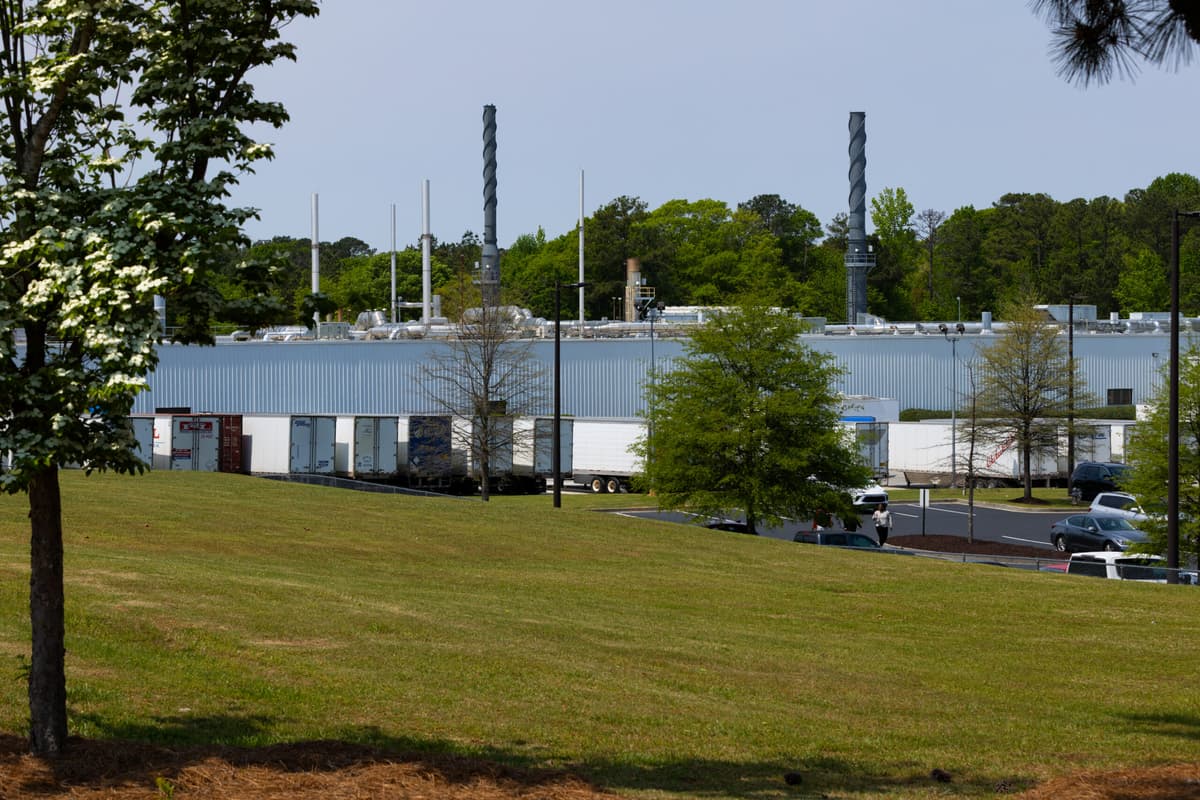
Toxic Gas-Emitting Plants Get Pollution Reprieve Under Trump
Why It Matters
Relaxing EtO controls could increase toxic emissions, raising cancer risks for nearby residents and undermining decades of EPA health protections, while also testing the balance between industrial supply‑chain needs and environmental safety.
Key Takeaways
- •EPA proposed permanent rollback of 2024 EtO emission rules.
- •More than 30 sterilizer plants granted two‑year exemptions.
- •Sterigenics paid $35 million to settle 79 Georgia lawsuits.
- •EPA projects rollback adds 7.8 tons EtO emissions each year.
- •Local groups sue, citing cancer risks from increased EtO exposure.
Pulse Analysis
Ethylene‑oxide, a colorless gas used to sterilize half of America’s medical devices, was re‑classified in 2016 as 30‑60 times more carcinogenic than previously believed. The EPA’s 2024 rule responded with stringent cuts—90% emission reductions, continuous monitoring, and public reporting—to protect communities near aging sterilizer plants. While the rule represented the agency’s most aggressive stance on a toxic air pollutant in decades, it also placed significant compliance costs on an industry that argues EtO remains the only viable sterilization method for many delicate devices.
The Trump administration’s deregulatory agenda has now intervened, issuing temporary waivers to over three dozen sterilization facilities, including the Sterigenics plant in Cobb County and Becton Dickinson’s Covington site. Officials claim the rules threaten a secure domestic supply chain for critical medical equipment, citing limited alternatives and costly retrofits. However, industry statements often downplay health impacts, emphasizing “best available technology” while seeking to delay or dilute enforcement. The proposed permanent rollback, pending a public comment period ending May 1, could set a precedent for broader exemptions, prompting lawsuits that challenge the administration’s authority to sidestep established health standards.
For residents of Atlanta’s suburbs, the policy shift revives fears of increased cancer risk. Community advocates have documented elevated EtO levels, secured local monitoring, and settled lawsuits—most notably Sterigenics’ $35 million payout for 79 Georgia claims. The EPA’s projection of an extra 7.8 tons of EtO annually underscores the tangible health stakes. As legal battles loom, the outcome will signal whether environmental safeguards can withstand political pressure, shaping the future of toxic‑gas regulation and community right‑to‑know protections across the United States.
Toxic Gas-Emitting Plants Get Pollution Reprieve Under Trump
Comments
Want to join the conversation?
Loading comments...