Trader Mercuria Sues Baltic Exchange Over Hormuz Freight Losses, Court Filing Shows
Companies Mentioned
Why It Matters
The case highlights the vulnerability of global freight markets to geopolitical shocks and raises questions about the responsibility of benchmark providers to adapt indices during crises, potentially reshaping contract risk management practices.
Key Takeaways
- •Mercuria alleges Baltic Exchange kept TD3C index active despite Hormuz closure
- •TD3C volatility disrupted physical freight contracts and derivative settlements
- •Estimated losses run into hundreds of millions of dollars for Mercuria
- •Baltic Exchange offered alternative benchmark route and began market consultations
Pulse Analysis
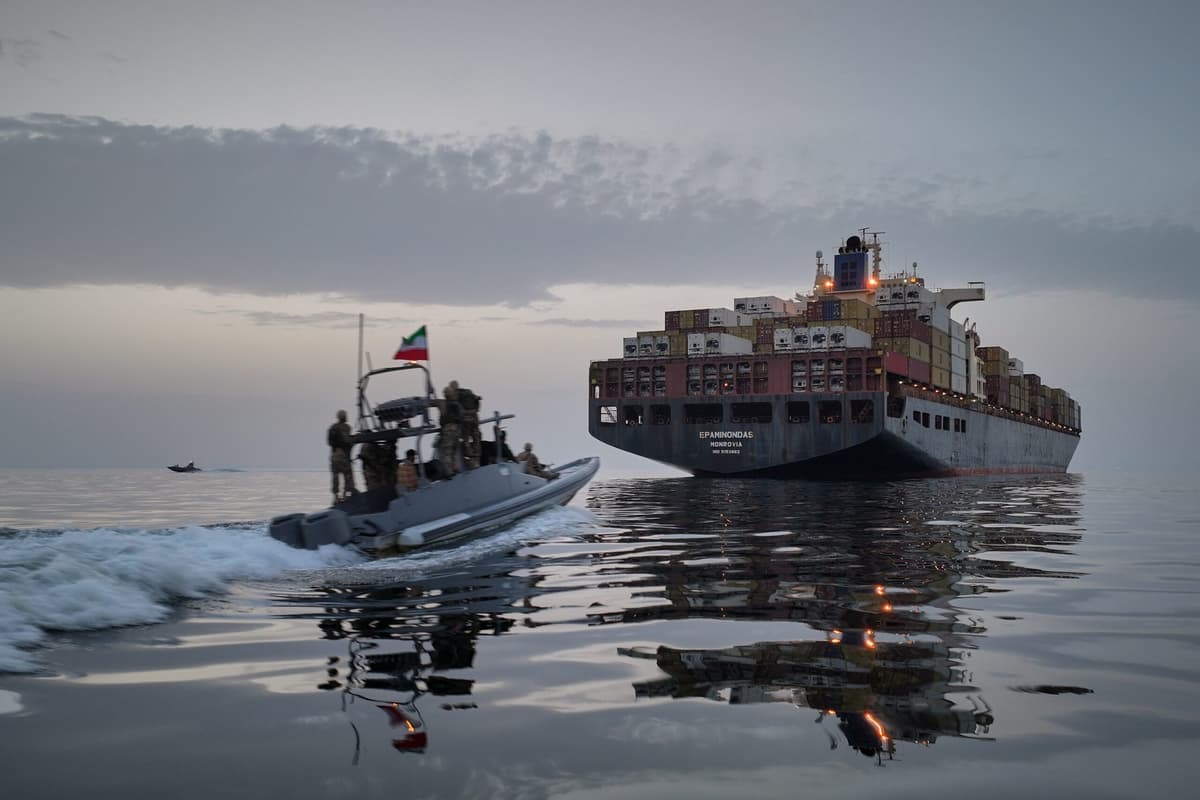
The war that erupted on Feb. 28 between the United States, Israel and Iran has turned the Strait of Hormuz into a logistical nightmare. Hundreds of vessels are stranded, and the sudden scarcity of safe passage has sent freight rates soaring. In this environment, the TD3C benchmark—used to price voyages from the Gulf to China—became a critical reference point for traders, insurers, and financiers. When the index failed to reflect the de‑facto closure, market participants faced price signals that no longer matched reality, amplifying risk across the supply chain.
Mercuria’s lawsuit underscores a growing tension between market participants and index providers. By continuing to publish TD3C unchanged, the Baltic Exchange is accused of breaching contractual duties, exposing traders to unanticipated losses on both physical freight contracts and derivative positions. The legal claim, though still unquantified, is estimated at several hundred million dollars, a figure that could set a precedent for how benchmark operators must respond to geopolitical disruptions. The case also forces regulators and industry bodies to reconsider the governance of freight indices, especially the mechanisms for suspending or adjusting benchmarks during emergencies.
Beyond the courtroom, the dispute could reverberate through the broader freight‑derivatives market. Counterparties may demand more robust contingency clauses, and investors could shift toward alternative benchmarks or bespoke contracts that incorporate force‑majeure triggers. Baltic Exchange’s rollout of a backup route and its ongoing market consultations signal an industry attempting to restore confidence, but the episode serves as a cautionary tale: accurate, real‑time data is essential for pricing risk, and failure to adapt can translate into multi‑hundred‑million‑dollar exposures for global traders.
Trader Mercuria Sues Baltic Exchange Over Hormuz Freight Losses, Court Filing Shows
Comments
Want to join the conversation?
Loading comments...