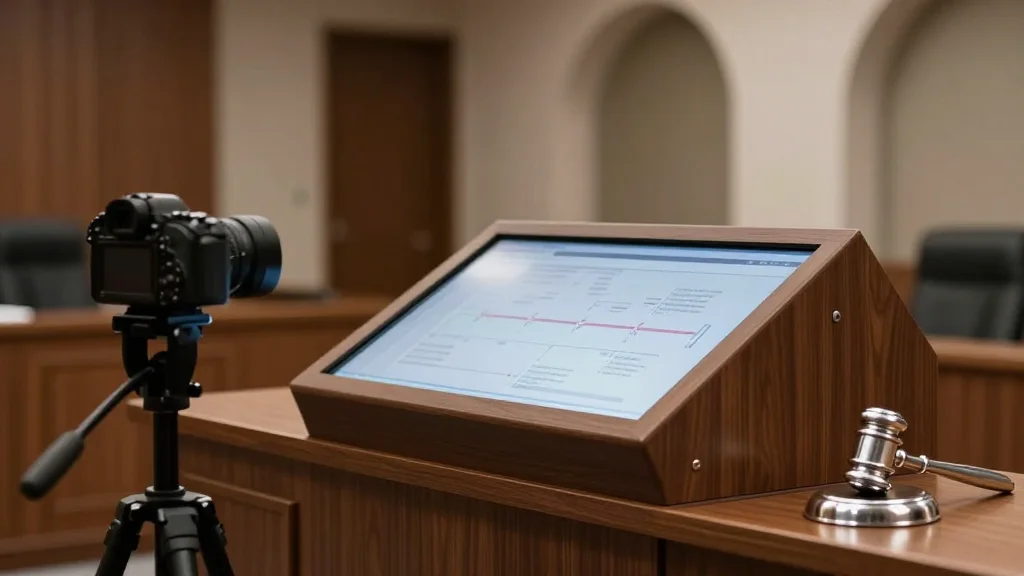
Trial Presentation Checklist: The Roadmap to a Winning Argument
Companies Mentioned
Why It Matters
A polished, technology‑driven presentation can dramatically influence juror perception, making the checklist a critical tool for firms seeking to modernize litigation and reduce costly presentation errors.
Key Takeaways
- •Choose dynamic trial software; backup devices prevent tech failures
- •Use minimalist, high‑resolution visuals to engage juror attention
- •Standardize exhibit naming for instant retrieval during testimony
- •Sync deposition videos with transcripts for impactful witness demeanor
- •Practice narrative flow and timing to stay within court limits
Pulse Analysis
The courtroom has become a visual arena where judges and jurors expect instant, high‑definition evidence displays. Legal teams that cling to paper binders or static PowerPoint decks risk losing credibility as competitors leverage interactive platforms that allow on‑the‑fly document callouts and seamless exhibit switching. Nextpoint’s checklist arrives at a time when e‑discovery solutions are converging with trial presentation tools, offering a unified workflow that bridges pre‑trial review and live courtroom execution.
At the heart of the checklist is a technology decision tree that matches case complexity with the appropriate display method—whether it’s a full‑screen trial theater, a concise slide deck, or a physical board for high‑impact visuals. The guide also stresses minimalist slide design, high‑resolution imagery, and strategic use of 3‑D animations or maps to keep jurors focused on the narrative rather than cluttered text. Equally important is the disciplined organization of exhibits: consistent naming, short identifiers, and pre‑made callouts enable attorneys to retrieve documents in seconds, preserving the momentum of their argument.
For law firms, adopting this structured approach translates into measurable advantages: reduced risk of technical failures, stronger storytelling, and a clearer evidentiary record that can be referenced post‑trial. As more courts endorse digital evidence and remote hearings, firms that embed these best practices into their standard operating procedures will likely see higher win rates and greater client confidence. The checklist thus serves not only as a procedural aid but also as a strategic differentiator in an increasingly tech‑driven legal market.
Trial presentation checklist: The roadmap to a winning argument
Comments
Want to join the conversation?
Loading comments...