Trump “Not Happy” With Prediction Markets – Says World Is a “Casino” As Special Forces Soldier Arrested for Insider Trading on Polymarket
Companies Mentioned

Why It Matters
The alleged insider profit tests whether existing criminal and commodities‑fraud tools can police real‑time prediction markets, and could reshape how regulators treat event contracts as securities or commodities.
Key Takeaways
- •U.S. Army Special Forces sergeant charged with $400k insider profit on Polymarket
- •CFTC files first insider‑trading case involving crypto event contracts
- •Polymarket identified suspicious trades, referred user to DOJ for investigation
- •Trump called prediction markets a ‘casino,’ intensifying political criticism
- •Case challenges whether real‑time market surveillance can prevent insider gains
Pulse Analysis
Prediction markets have exploded from a handful of listings to thousands of contracts, promising to aggregate public expectations on everything from elections to geopolitical events. Built on blockchain technology, platforms like Polymarket allow users to wager on binary outcomes with instant settlement in stablecoins, blurring the line between forecasting tool and gambling venue. This rapid growth has attracted the attention of regulators who worry that the same speed and anonymity that make these markets attractive also create fertile ground for insider trading and market manipulation. The CFTC’s recent advisory already warned that event contracts could fall under its antifraud jurisdiction when non‑public information is misused.
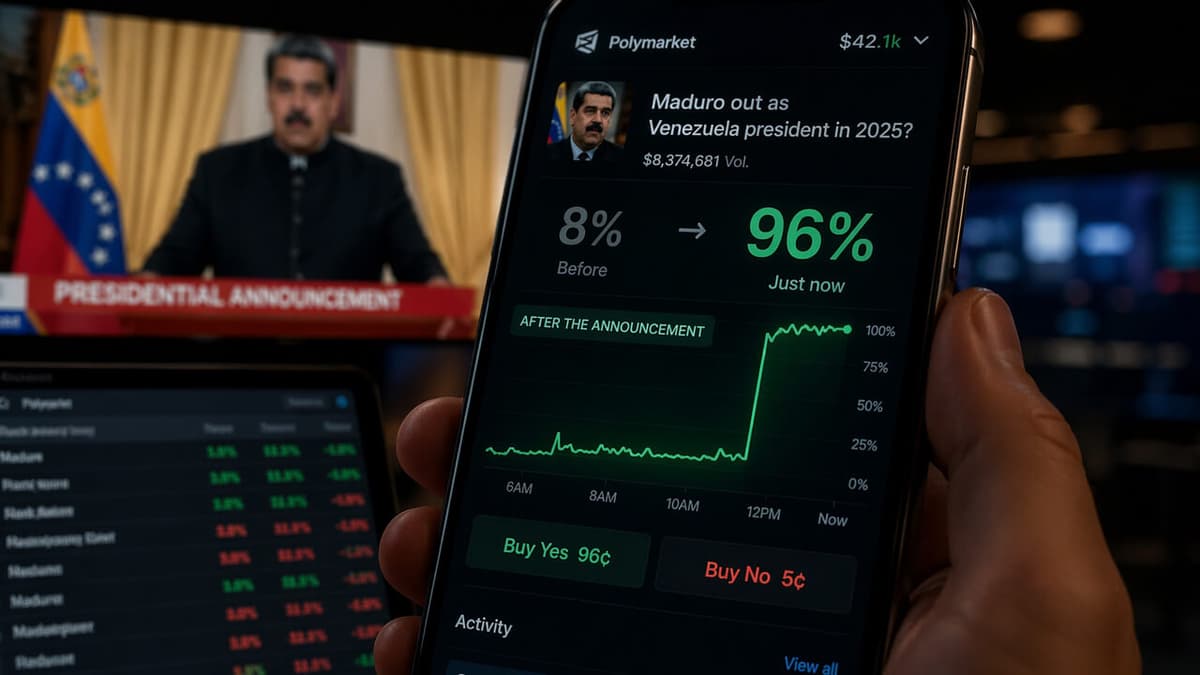
The indictment of Special Forces master sergeant Gannon Ken Van Dyke marks the first criminal case linking classified government intelligence to a crypto prediction market. Prosecutors allege Van Dyke bought roughly $33,000 worth of “Yes” shares on a Polymarket contract predicting the removal of Nicolás Maduro, then realized over $400,000 once the operation was publicly announced. Simultaneously, the CFTC filed a civil complaint, invoking the Eddie Murphy Rule to treat the contract as a commodity‑swap subject to insider‑trading prohibitions. Together, the DOJ and CFTC actions create a dual‑track test: can traditional fraud statutes reach decentralized platforms, and can those platforms detect and block illicit trades before settlement?
The fallout extends beyond a single trader. Polymarket’s quick referral to the Justice Department demonstrates a nascent compliance framework, yet the alleged profit was earned before any intervention, exposing a credibility gap for users who expect markets to reflect only public information. Industry observers predict tighter “restricted‑person” lists, real‑time anomaly detection, and clearer settlement controls as next‑generation safeguards. Politically, former President Trump’s branding of prediction markets as a casino adds pressure for legislative action. Ultimately, the case will likely set a precedent for how crypto‑based event markets are regulated, influencing their evolution from novelty betting platforms to recognized financial infrastructure.
Trump “not happy” with prediction markets – says world is a “casino” as Special Forces soldier arrested for insider trading on Polymarket
Comments
Want to join the conversation?
Loading comments...