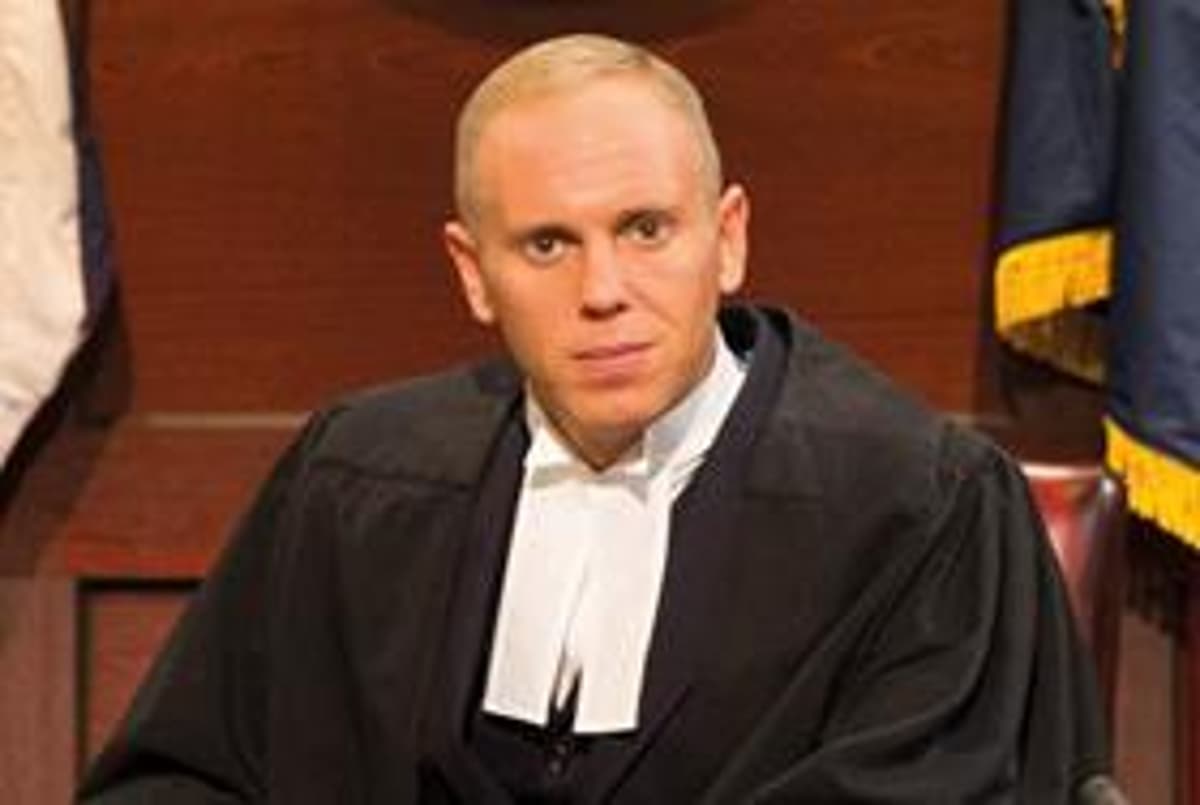
TV Host Rob Rinder Urges MPs to Oppose Jury Curbs
•March 6, 2026
0
Why It Matters
Eliminating juries for mid‑range offences would shift decisive power to judges, potentially undermining public confidence and constitutional safeguards in the UK’s criminal system.
Key Takeaways
- •Proposed reforms strip juries from three‑year prison offences
- •Rinder labels change “constitutional surrender” in letter to MPs
- •He argues juries protect liberty and public participation
- •Reform could shift sentencing power solely to judges
- •Opposition reflects broader legal community concern over rights erosion
Pulse Analysis
The UK Ministry of Justice has tabled a set of reforms aimed at streamlining criminal proceedings, including a proposal to remove jury trials for offences that carry sentences of up to three‑year sentences. Proponents argue that bench trials are faster, less costly, and reduce the risk of juror bias in complex cases. The measure would affect a wide range of crimes—from serious assaults to high‑value thefts—where the Crown currently relies on a twelve‑person jury to determine guilt. If enacted, the change would mark the most significant contraction of jury use since the 19th century.
Rob Rinder, a criminal barrister turned television judge, has entered the debate by warning that the draft legislation amounts to a ‘constitutional surrender’. In his letter to MPs, he stresses that juries serve as a democratic safeguard, ensuring that a single judicial perspective does not dictate a person’s liberty. Rinder draws on his family’s Holocaust legacy to illustrate how citizen participation historically checks state tyranny. By removing juries from mid‑range offences, he argues, the system risks marginalising ordinary voices and eroding public confidence in the fairness of criminal justice.
The opposition from Rinder mirrors a broader coalition of senior counsel, human‑rights groups, and former judges who fear that the reforms could set a precedent for further encroachments on civil liberties. Politically, the proposal pits efficiency‑driven policymakers against advocates of procedural fairness, a tension that may shape the upcoming parliamentary vote. Should MPs reject the curbs, the UK would retain its long‑standing jury tradition, reinforcing the principle that ordinary citizens share responsibility for administering justice. Conversely, approval could accelerate a shift toward a more technocratic, judge‑centric criminal system, with lasting implications for public trust.
TV host Rob Rinder urges MPs to oppose jury curbs
0
Comments
Want to join the conversation?
Loading comments...