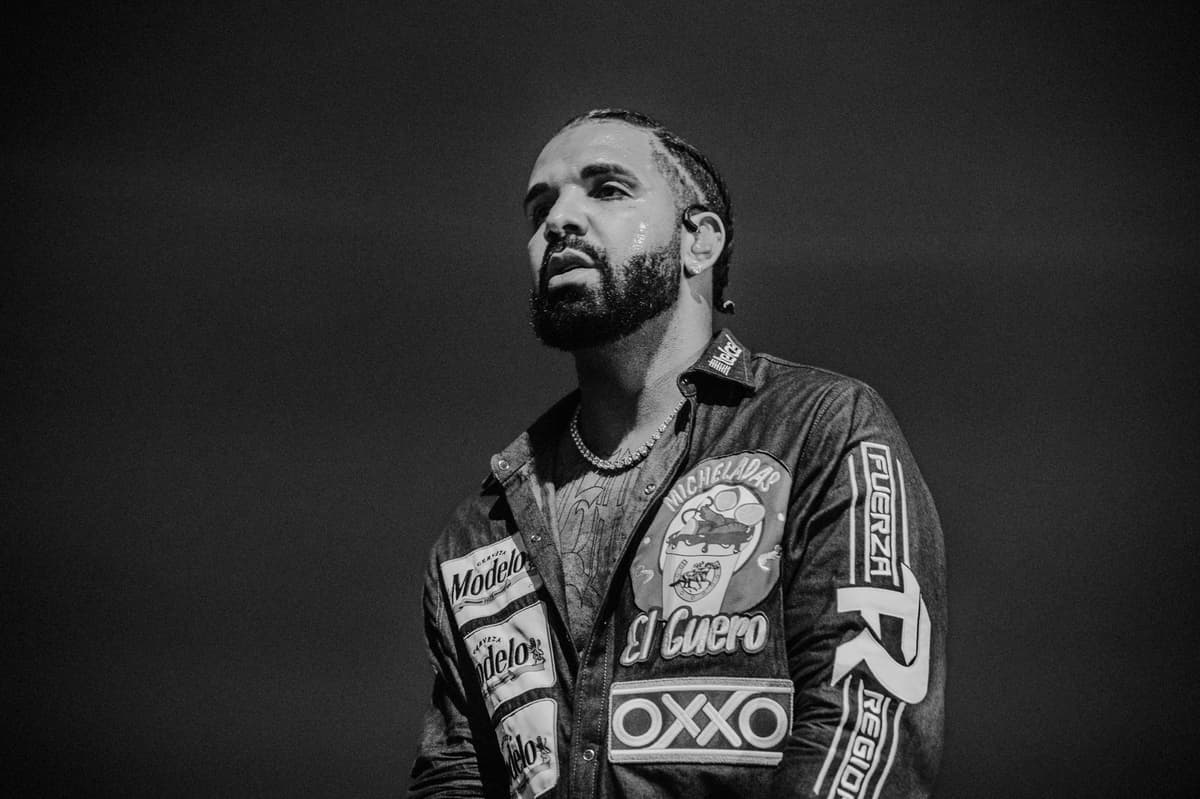
Two Amicus Briefs Weigh in for UMG in Its Battle with Drake
Companies Mentioned
Why It Matters
The case could set a precedent for how courts treat lyrical content, influencing free‑speech protections and liability for artists and record labels. A ruling favoring UMG would solidify defenses that safeguard creative expression across the music industry.
Key Takeaways
- •Yale's Floyd Abrams Institute files amicus for UMG.
- •Briefs argue consent bars defamation claims.
- •Another brief warns literal lyric interpretation fuels bias.
- •Case could reshape First Amendment protections for rap.
- •Outcome may influence future artist-label lawsuits.
Pulse Analysis
The dispute between Universal Music Group (UMG) and Canadian superstar Drake has moved beyond the courtroom into the academic arena. After a district judge dismissed Drake’s defamation suit over the 2025 single “Not Like Us,” the Floyd Abrams Institute for Freedom of Expression at Yale Law School and a coalition of social scientists submitted amicus briefs backing UMG’s position. The filings, released on April 3, argue that the lower court’s ruling was legally sound and that the case raises fundamental questions about how artistic expression is evaluated in tort law.
The Yale brief frames the issue as a classic consent defense: a boxer who steps into the ring cannot later sue for battery, and similarly a rapper who releases lyrics cannot later claim defamation when listeners interpret them literally. A second brief warns that treating rap lyrics as factual statements risks reinforcing racial stereotypes and eroding First Amendment safeguards. By emphasizing that defamation is an intentional tort foreclosed by consent, the amici seek to protect not only UMG but also the broader creative community from costly litigation.
Legal scholars caution that the court’s ultimate decision could set a nationwide precedent for how courts handle lyrical content across genres. A ruling that upholds the consent argument would reinforce existing protections for record labels and artists, encouraging more aggressive lyrical experimentation without fear of lawsuits. Conversely, a decision favoring Drake might compel the music industry to adopt stricter vetting processes, potentially chilling artistic freedom. Stakeholders from publishing, streaming platforms, and talent agencies are watching closely, as the outcome will shape the balance between brand reputation and free speech in the digital age.
Two amicus briefs weigh in for UMG in its battle with Drake
Comments
Want to join the conversation?
Loading comments...