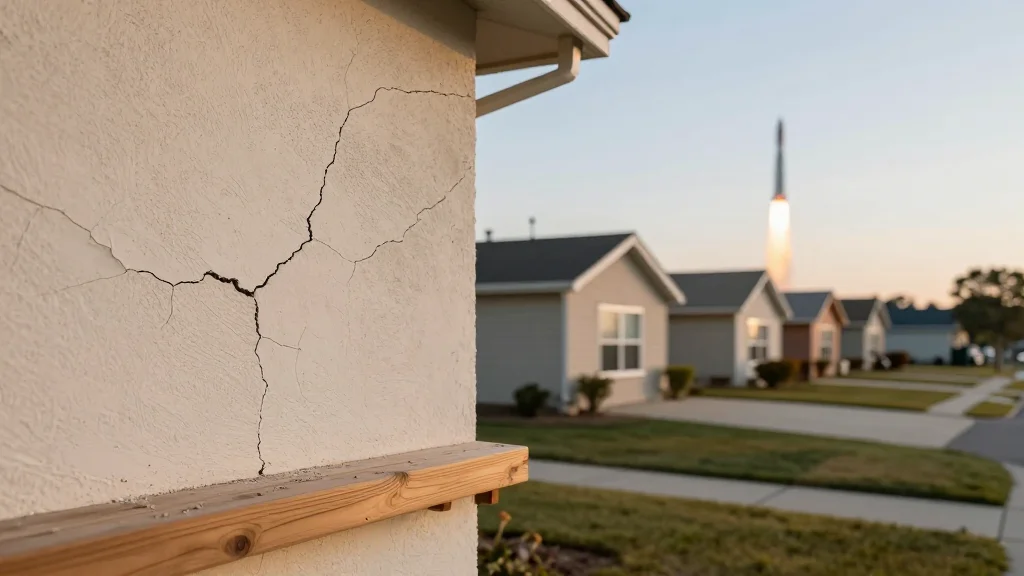
Two Lawsuits Against SpaceX, Claiming Company Operations Damage Local Homes
Why It Matters
The cases could force SpaceX to invest in additional noise‑mitigation measures and expose the company to costly litigation, while also drawing regulatory attention to launch‑site safety standards.
Key Takeaways
- •80 Boca Chica homeowners sue SpaceX over alleged acoustic damage
- •Lawsuit lacks specific damage documentation for each property
- •Similar lawsuit filed for 80 residents near Waco test site
- •Potential litigation could raise SpaceX's operational costs and scrutiny
- •Company may need to enhance noise mitigation for future launches
Pulse Analysis
Starship’s unprecedented size and thrust generate acoustic energy far beyond that of legacy launch vehicles, creating a sonic environment that residents within a ten‑mile radius can feel as vibrations and, in some cases, broken windows. While historic rockets such as Saturn V and the Space Shuttle produced comparable sound pressure levels, they were typically launched from sites with larger safety buffers and more robust community outreach. In Texas, the rapid pace of Starship test flights has outstripped local mitigation efforts, prompting homeowners to voice concerns that the noise and ground‑shake are more than a nuisance.
The legal filings underscore a growing trend of community‑focused litigation against aerospace operators. By alleging property damage without itemizing specific losses, the plaintiffs rely on the threat of costly settlements to compel corporate action. Courts have historically required detailed proof of harm, but the sheer scale of SpaceX’s operations may attract regulatory scrutiny, potentially prompting the Federal Aviation Administration to revisit noise‑abatement guidelines. Insurance carriers are also monitoring the situation, as repeated claims could raise premiums for launch‑site liability coverage.
For SpaceX, the lawsuits represent both a financial risk and a reputational challenge. Investors watch how the company addresses stakeholder concerns, and any mandated mitigation—such as sound‑dampening barriers or altered flight trajectories—could increase launch costs and affect the cadence of Starship missions. Proactively engaging with affected communities, enhancing monitoring of acoustic impacts, and transparently reporting mitigation efforts can help preserve the company’s public license to operate while maintaining its aggressive timeline for orbital and lunar missions.
Two lawsuits against SpaceX, claiming company operations damage local homes
Comments
Want to join the conversation?
Loading comments...