Companies Mentioned
Why It Matters
The prosecutions demonstrate that AI‑enabled non‑consensual image abuse is now a federal crime, giving victims legal recourse and deterring perpetrators. This signals a shift toward stricter regulation of generative AI misuse across platforms.
Key Takeaways
- •Two men charged under Take It Down Act for AI deepfake porn.
- •Law makes publishing non‑consensual AI images a federal crime, two‑year max.
- •Hundreds of deepfake albums targeting 90 women amassed millions of online views.
- •First conviction under the act last month shows federal enforcement is beginning.
Pulse Analysis
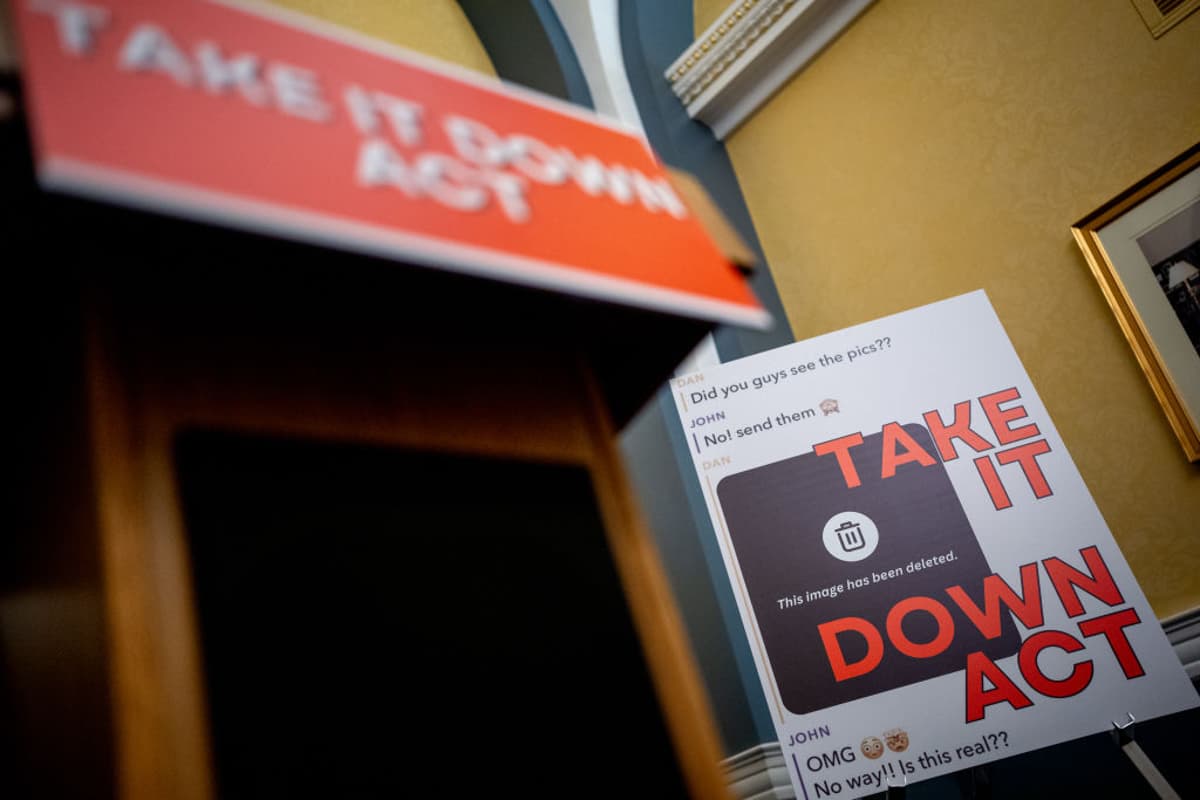
The Take It Down Act, signed into law in May 2025 with bipartisan backing, represents the United States' first comprehensive federal response to the misuse of generative AI for intimate image abuse. By criminalizing the knowing publication or threat to publish non‑consensual AI‑generated or real intimate imagery, the statute fills a critical gap left by a patchwork of state laws. Its 48‑hour takedown mandate forces platforms to act swiftly, aligning legal expectations with the rapid diffusion capabilities of modern deepfake tools.
The recent charges against Hernandez and Shannon illustrate how the law is being applied in practice. Federal filings detail that each defendant created extensive libraries of AI‑fabricated pornographic content—113 and 360 albums respectively—featuring dozens of women, including public figures and private individuals. The material circulated on popular hosting sites, amassing millions of views and inflicting measurable emotional harm. With potential sentences of up to two years, the cases send a clear message that the government will pursue criminal liability for digital sexual exploitation, building on the precedent set by the first conviction of James Strahler II earlier this year.
Beyond the immediate prosecutions, the enforcement of the Take It Down Act signals a broader shift in how regulators, tech companies, and courts will address AI‑driven threats. Platforms are now compelled to develop rapid detection and removal pipelines, while legislators worldwide watch the U.S. model as a template for their own deepfake legislation. As generative AI tools become more accessible, the legal framework established by the act will likely evolve, balancing free‑speech concerns with the urgent need to protect individuals from the profound privacy violations inherent in AI‑generated revenge porn.
Two Men Charged Under A.I.-Revenge Porn Law: What to Know
Comments
Want to join the conversation?
Loading comments...