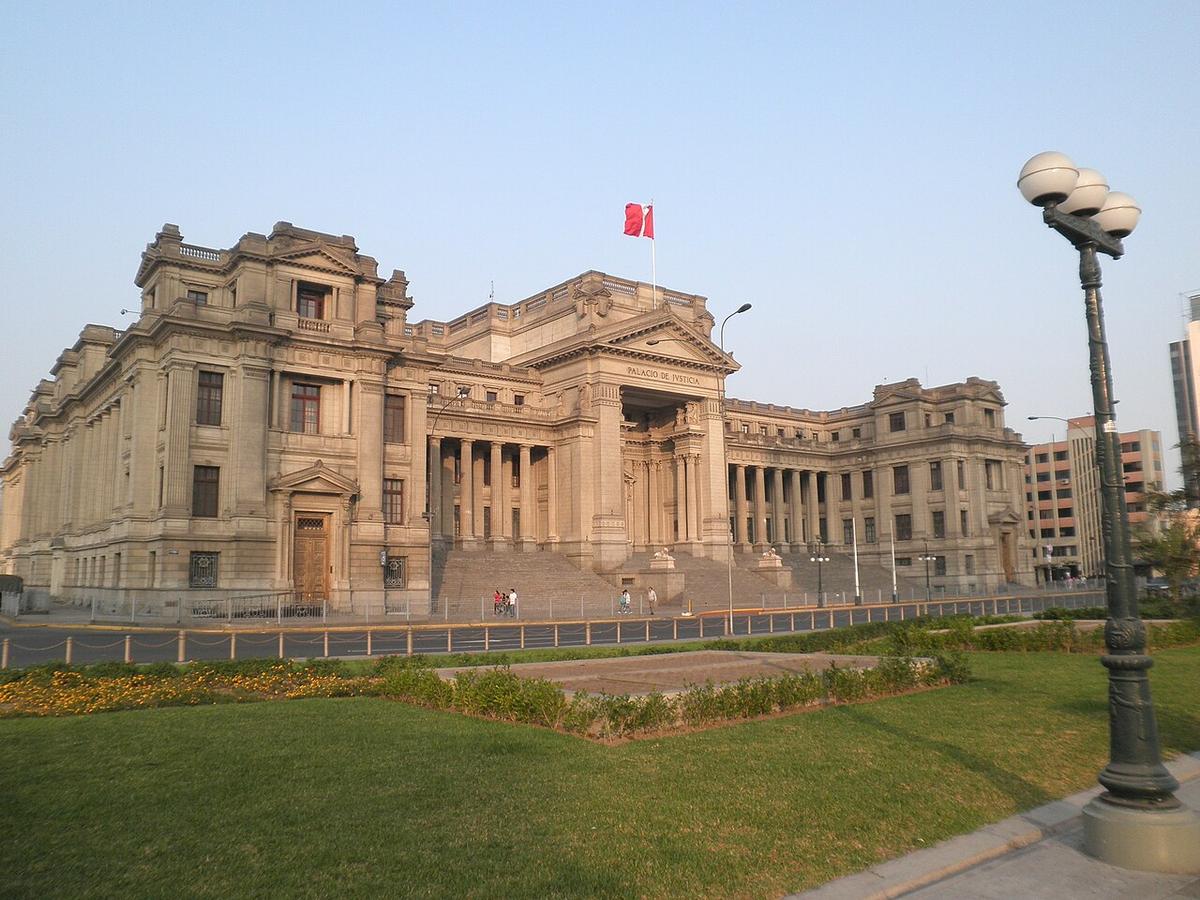
UN Experts Criticise Removal of Peru Judge for Defence of Judicial Independence in the Country
Why It Matters
The dismissal threatens the rule of law in Peru and sets a risky precedent for judicial independence across Latin America.
Key Takeaways
- •UN experts denounce judge's dismissal as retaliation for independence defense
- •Peru's National Board of Justice opened investigation over alleged impartiality breach
- •International Association of Judges says proceedings violate judges' right of association
- •Case sets precedent for protecting judicial speech under Inter‑American human‑rights law
Pulse Analysis
Peru’s judiciary has become a flashpoint in the country’s broader political struggle, as recent legislative reforms aim to reshape the balance of power between Congress and the courts. The removal of Judge Oswaldo Ordóñez Alcántara—once president of Lima’s First Constitutional Chamber—has drawn sharp criticism from international bodies. By targeting a magistrate who publicly warned that certain lawmakers were destabilising the justice system, the government appears to be sending a chilling signal to other judges who might speak out on policy matters.
UN experts invoked the Basic Principles on the Independence of the Judiciary, emphasizing that judges must engage in public debate without fear of reprisals. They also referenced the Inter‑American Court of Human Rights decision in *Cuya Lavy v. Peru*, which obliges states to protect individuals participating in human‑rights discussions. The International Association of Judges reinforced this view, stating that disciplinary actions against a judge acting in a professional capacity breach the protected right of association. Such legal frameworks underscore that the proceedings against Ordóñez are not merely administrative but potentially violate international human‑rights obligations.
The fallout could reverberate throughout the region. If Peru proceeds with the dismissal, it may embolden other governments to curtail judicial autonomy, eroding public confidence in the rule of law. Conversely, sustained international pressure could force a reversal, reinforcing safeguards for judicial speech and setting a deterrent against future reprisals. Stakeholders—from investors to civil‑society groups—should monitor the case closely, as its resolution will signal the health of democratic institutions in Peru and the broader Latin American context.
UN experts criticise removal of Peru judge for defence of judicial independence in the country
Comments
Want to join the conversation?
Loading comments...