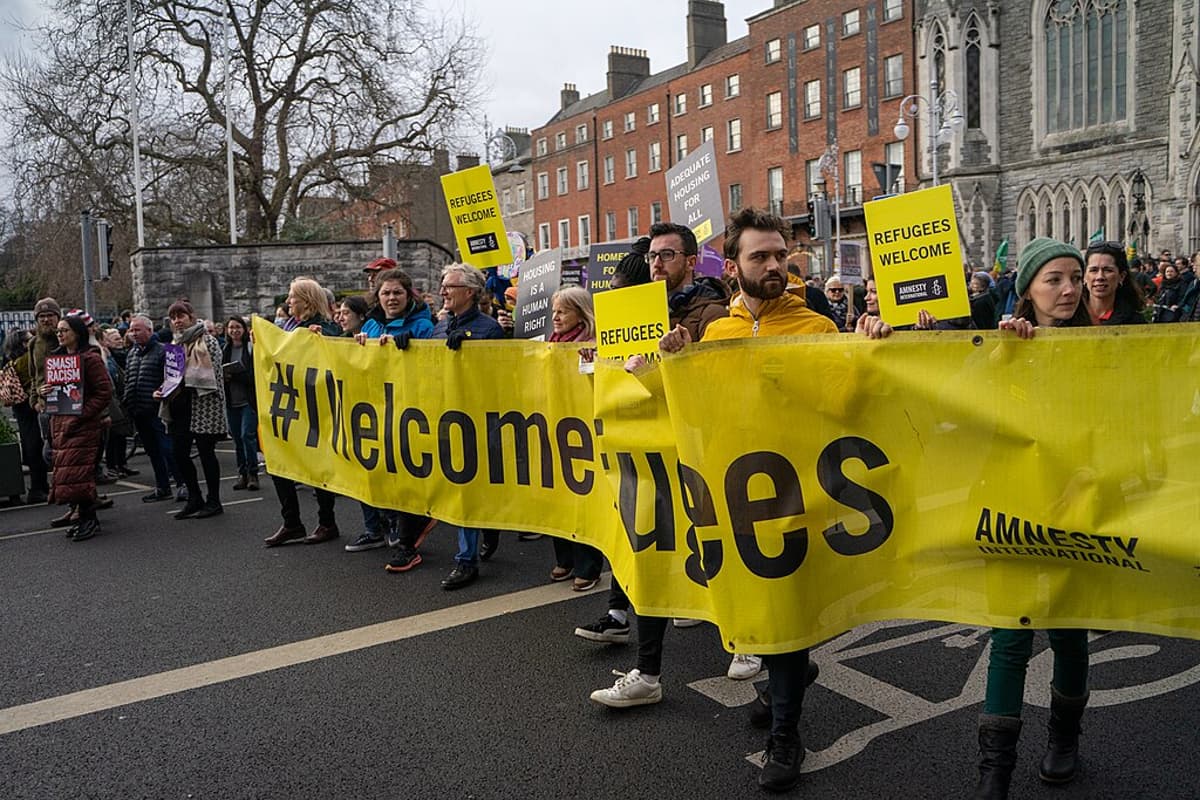
UN Experts Criticize Ireland Police Use of “Less-Lethal” Weapons at Protests
•February 18, 2026
0
Why It Matters
The criticism highlights potential breaches of international human‑rights law and could erode public trust in Irish policing, prompting policy and legal scrutiny.
Key Takeaways
- •UN experts label tasers as inherently cruel, inhuman, degrading
- •Gardaí equipped 128 officers with tasers, paired with body cameras
- •Double-strength pepper spray used on October 2025 protests
- •ICCL warns shift undermines policing by consent model
Pulse Analysis
The recent intervention by United Nations special rapporteurs underscores a growing tension between security forces and international human‑rights norms. Gina Romero and Alice Jill Edwards cited the International Covenant on Civil and Political Rights and the UN Convention Against Torture to argue that Ireland’s deployment of double‑strength pepper spray and tasers breaches the principles of legality, necessity and proportionality. Their statement places Ireland under heightened scrutiny, as Category A items such as tasers are deemed inherently cruel under the UN’s preliminary list. This diplomatic pressure adds a legal dimension to domestic debates about crowd‑control tactics.
Ireland’s Gardaí announced a pilot program in December 2025, arming 128 frontline officers with tasers that are only issued alongside body‑worn cameras. While the cameras aim to increase accountability, critics argue that the technology does not mitigate the risk of excessive force, especially when combined with newly acquired double‑strength pepper spray used during the October 2025 demonstrations. Reports from the Irish Network of Legal Observers document instances of spray being deployed against retreating protesters and legal observers, raising questions about compliance with the European Convention on Human Rights.
The controversy has sparked a broader conversation about Ireland’s model of policing by consent. Civil‑rights groups such as the Irish Council for Civil Liberties warn that the unilateral introduction of lethal‑or‑less tools erodes public trust and may compel legislative review. Within the EU, member states are increasingly aligning crowd‑control policies with human‑rights standards, suggesting that Ireland could face pressure to revise its procurement procedures and enhance public consultation. A transparent, proportionate approach could preserve community policing principles while satisfying security objectives.
UN experts criticize Ireland police use of “less-lethal” weapons at protests
0
Comments
Want to join the conversation?
Loading comments...