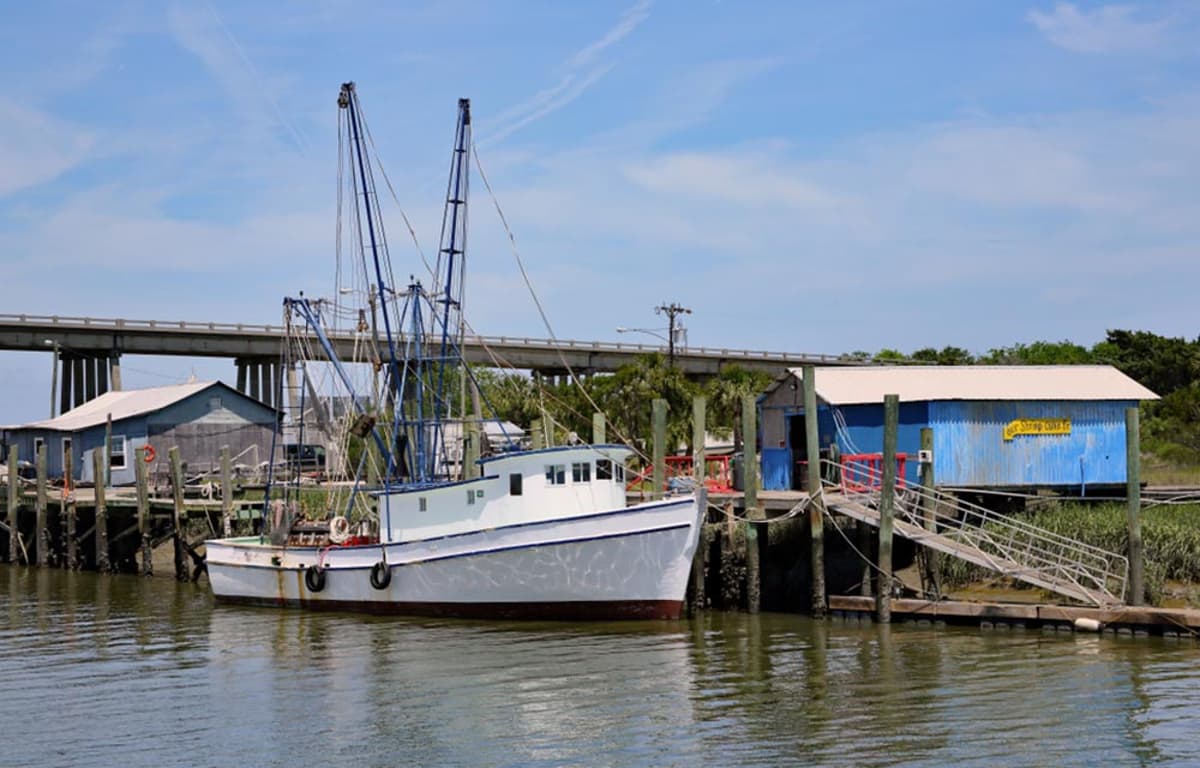
US Bill Would Extend State-Controlled Waters of Louisiana, Mississippi, and Alabama
Why It Matters
Equalizing offshore boundaries could unlock significant revenue from energy and fisheries for the three states, while reshaping Gulf resource governance and reducing the competitive advantage held by Texas and Florida.
Key Takeaways
- •Extends waters from 3 to 9 miles for LA, MS, AL
- •Triples state fisheries jurisdiction, boosting local seafood economies
- •Creates regulatory parity with Texas and Florida offshore zones
- •Potentially raises state revenue from offshore oil and gas leases
- •Amends Outer Continental Shelf and Magnuson‑Stevens Acts to expand jurisdiction
Pulse Analysis
The United States’ Submerged Lands Act of 1953 granted most coastal states a three‑mile offshore jurisdiction, but Texas and Florida received a nine‑mile belt because of historical negotiations. Louisiana, Mississippi and Alabama have long argued that this arrangement creates an uneven playing field, limiting their ability to manage fisheries, extract hydrocarbons, and protect coastal communities. The Offshore Parity Act seeks to rectify that legacy by extending state waters to nine nautical miles, a move that would align the Gulf’s three states with their more advantaged neighbors.
Expanding the jurisdiction has immediate economic implications. A three‑fold increase in fisheries management area could bolster local seafood industries, allowing states to set tighter conservation measures and capture higher market value from sustainably managed stocks. Moreover, the added offshore expanse brings more oil and gas lease opportunities under state control, potentially generating billions in royalties over the life of projects. States would also gain greater authority to enforce environmental standards, which could reduce spill risks and improve coastal resilience.
Politically, the bill enjoys bipartisan support in the affected districts but faces hurdles in a divided Congress. Amendments to the Outer Continental Shelf Lands Act and the Magnuson‑Stevens Act require careful navigation of federal‑state power balances and may encounter opposition from stakeholders wary of increased state regulation. If enacted, the legislation could set a precedent for other Gulf states to pursue similar expansions, reshaping the region’s resource governance and fostering a more equitable distribution of offshore wealth.
US bill would extend state-controlled waters of Louisiana, Mississippi, and Alabama
Comments
Want to join the conversation?
Loading comments...