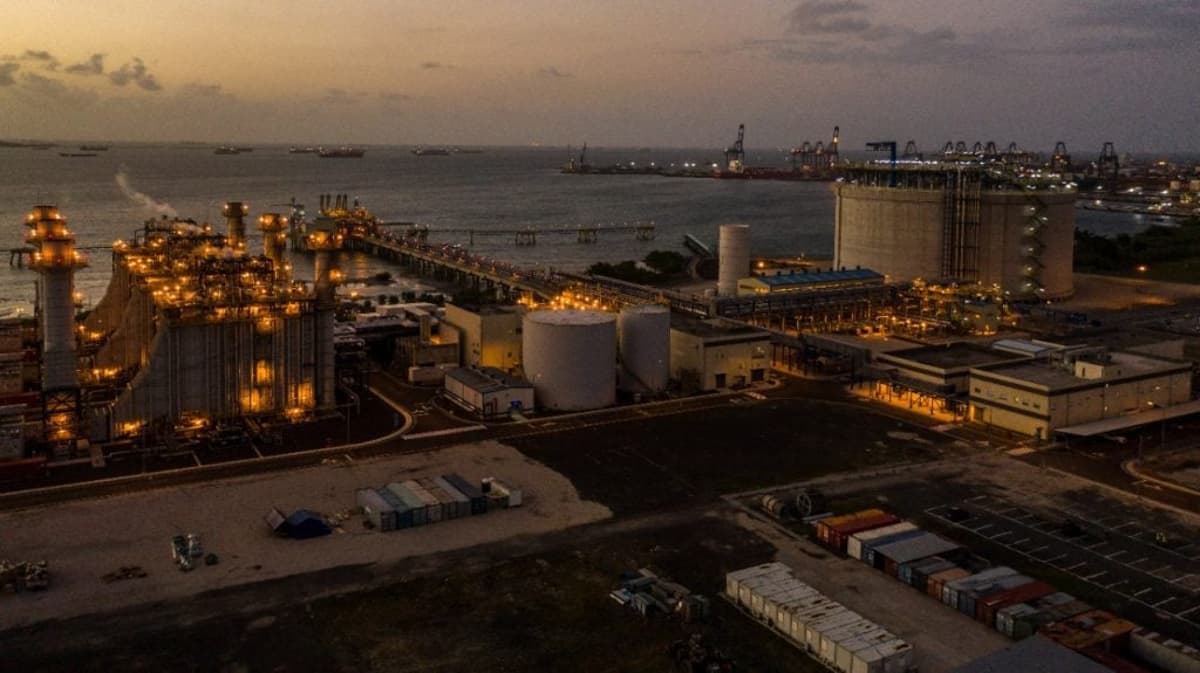
US Court Sends $4 Billion LNG Legal Battle Back to Virginia State Court
Why It Matters
The ruling underscores how U.S. courts can become pivotal venues for international energy disputes, potentially shaping financing and market access for LNG projects in emerging economies. A favorable outcome for Sinolam could set a precedent for corporate accountability in cross‑border energy deals.
Key Takeaways
- •Sinolam's $4 billion lawsuit against AES sent back to Virginia state court
- •Federal district court granted Sinolam’s request despite AES’s objections
- •Case centers on alleged exclusion from Panama’s LNG‑to‑power market
- •BlackRock‑led $33.4 billion acquisition of AES may aid future financing
- •Litigation highlights corporate ethical accountability in U.S. courts
Pulse Analysis
Panama’s nascent LNG‑to‑power sector has attracted global investors seeking to meet rising electricity demand with cleaner fuels. Sinolam International, which has secured permits and commercial agreements for a new LNG terminal, claims that AES Corporation and its partner InterEnergy deliberately blocked its participation, prompting a multibillion‑dollar claim. The dispute reflects broader tensions as emerging markets balance sovereign energy goals with the influence of multinational corporations, making the outcome a bellwether for future project pipelines.
The federal district court’s decision to remand the case to Virginia state court is significant because it re‑affirms state courts’ authority to adjudicate complex commercial disputes involving foreign entities. By siding with Sinolam’s request, the judge emphasized the importance of venue choice for parties seeking a forum perceived as stringent on corporate ethics. This move may encourage other foreign firms to pursue U.S. litigation when they believe state courts can deliver more predictable enforcement of contractual and fiduciary duties, potentially reshaping dispute‑resolution strategies in the energy sector.
Simultaneously, the recent $33.4 billion acquisition of AES by a BlackRock‑led consortium injects fresh capital into the company, which could bolster its ability to settle or finance ongoing litigation. Investors are watching closely to see whether the infusion will translate into stronger balance‑sheet support for the Panama project or lead to a strategic settlement that preserves market access. The case’s trajectory will likely influence how private equity and infrastructure funds assess risk in LNG ventures, especially where regulatory approvals and competitive access remain contested.
US court sends $4 billion LNG legal battle back to Virginia state court
Comments
Want to join the conversation?
Loading comments...