Why It Matters
The FISH Act protects domestic fishermen from unfair competition and strengthens U.S. leadership in global fisheries enforcement, safeguarding both the economy and marine ecosystems.
Key Takeaways
- •House Natural Resources Committee approved FISH Act unanimously
- •Bill creates blacklist barring IUU vessels from U.S. waters
- •Allows sanctions on individuals and entities involved in illegal fishing
- •Boosts Coast Guard inspection funding and enforcement capacity
- •Supported by National Fisheries Institute and Oceana
Pulse Analysis
Illegal, unreported, and unregulated (IUU) fishing costs the global seafood industry billions of dollars annually and undermines sustainable fisheries. For U.S. consumers and coastal communities, the influx of illegally caught fish depresses market prices and erodes confidence in product safety. The United States, as one of the world’s largest seafood importers, has long faced pressure to tighten its supply chain controls. The FISH Act emerges against this backdrop, aiming to align U.S. policy with international efforts to protect ocean health and ensure fair competition for American fishers.
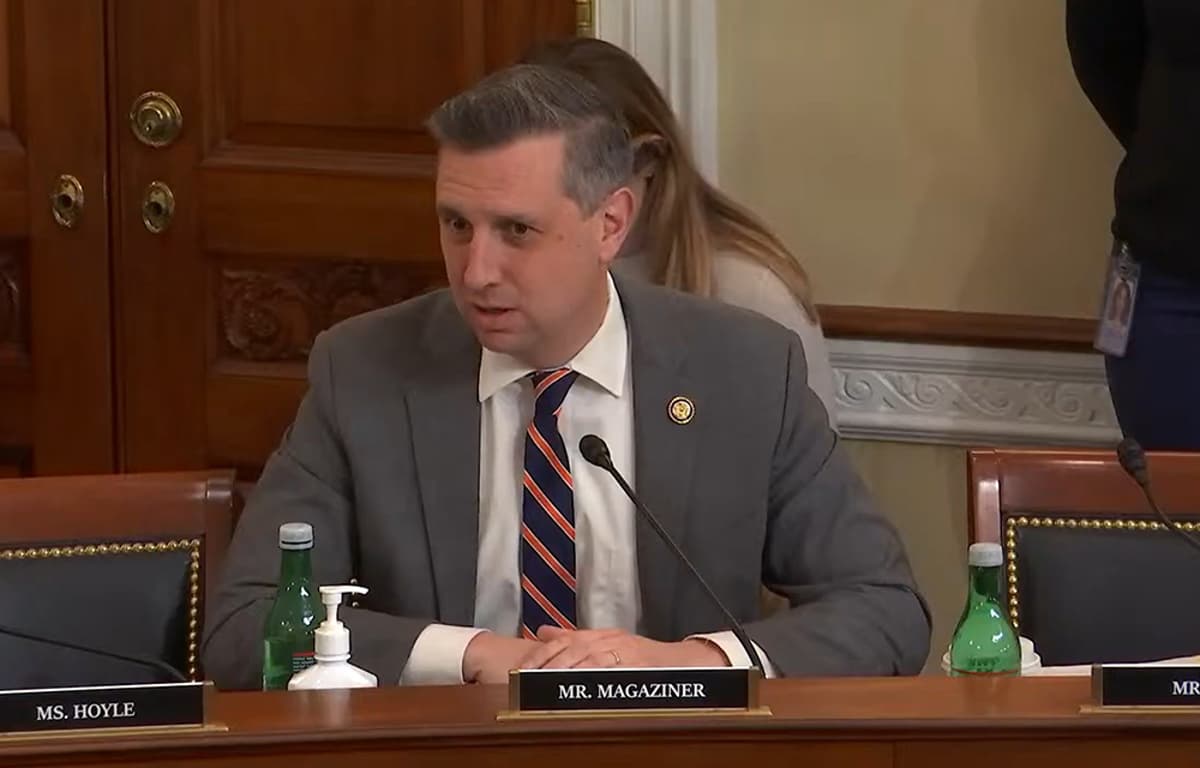
The legislation introduces a multi‑pronged enforcement toolkit. First, it establishes a blacklist of vessels proven to engage in IUU activities, effectively denying them access to U.S. ports and waters. Second, it empowers the executive branch to impose targeted sanctions on owners, operators, and even financial intermediaries that facilitate illegal catches. Third, it allocates additional funding for Coast Guard patrols and inspections, enhancing on‑the‑water detection capabilities. The bill’s bipartisan sponsorship—by Rep. Seth Magaziner, Rep. Dan Crenshaw, and Rep. Nick Begich—reflects a rare consensus on protecting domestic fisheries, while previous attempts to attach the measure to must‑pass defense bills underscore its strategic importance.
If enacted, the FISH Act could reshape the competitive landscape for U.S. seafood producers. By removing low‑cost, illegally sourced fish from the market, domestic processors may see tighter margins but benefit from a level playing field and stronger brand integrity. Internationally, the United States would signal a firm stance against maritime law violations, encouraging other nations to adopt similar blacklisting regimes. The next hurdle is a full House vote; a positive outcome would send the bill to the Senate and, ultimately, the president’s desk, potentially setting a new standard for fisheries governance worldwide.
US House committee advances FISH Act
Comments
Want to join the conversation?
Loading comments...