U.S. Installs a Trump Loyalist to Lead ‘Grand Conspiracy’ Case Into Trump Foes
Why It Matters
The staffing shift signals an intensifying politicization of the DOJ, raising concerns about impartiality in high‑profile investigations and potential indictments of Trump’s political opponents.
Key Takeaways
- •Joseph diGenova appointed DOJ counselor to lead Florida grand jury
- •Judge Aileen Cannon, Trump‑favored, overseeing the grand jury
- •Career prosecutor Maria Medetis Long removed from the case
- •Moves highlight deepening politicization of the Justice Department
Pulse Analysis
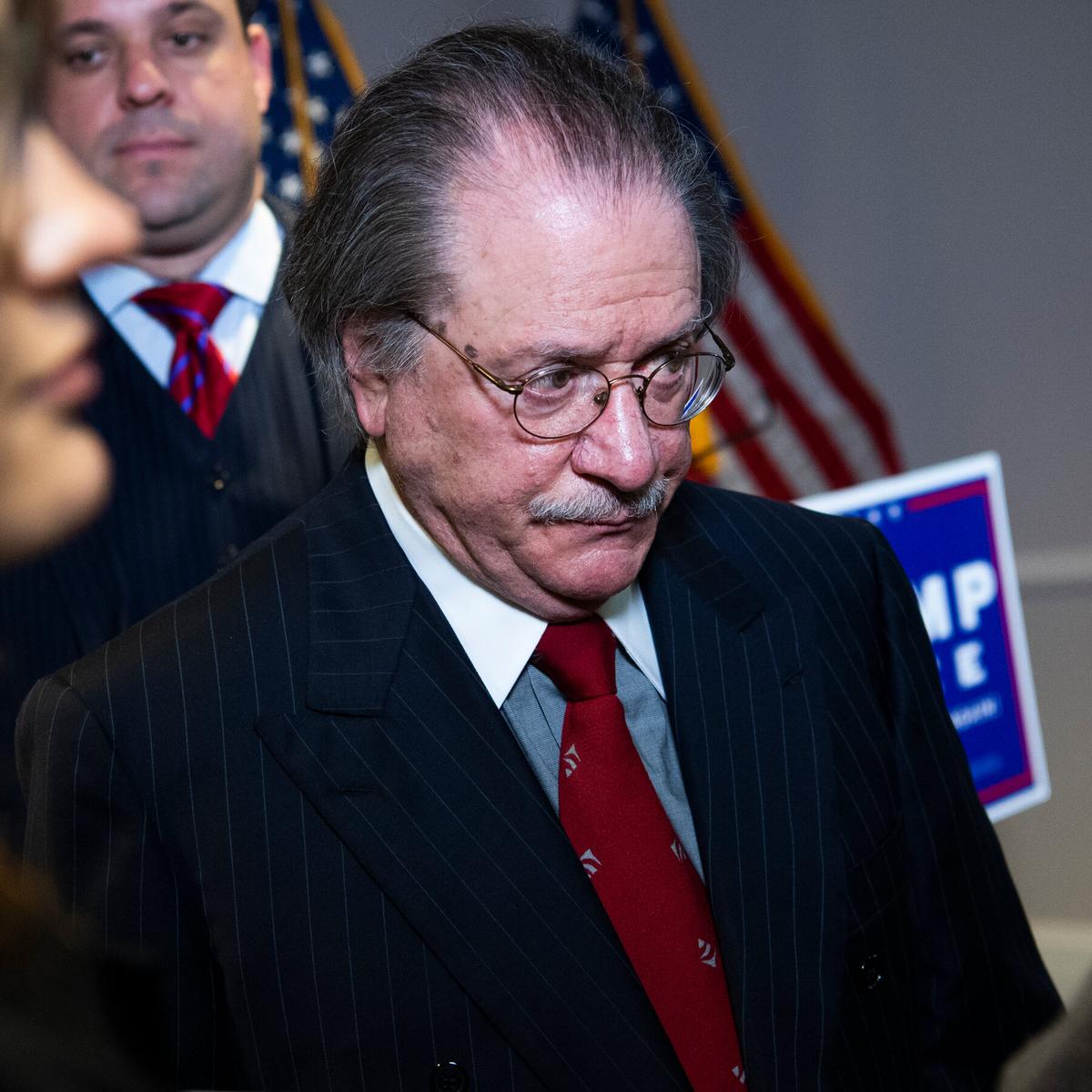
The Justice Department’s latest personnel shuffle reflects a broader trend of politicization that has accelerated since President Trump reclaimed executive authority. Joseph diGenova, a veteran Reagan‑era U.S. attorney and former Trump campaign lawyer, was elevated to counselor to the attorney general and assigned to the Southern District of Florida. His appointment follows the sudden ouster of Maria Medetis Long, a career prosecutor known for steering national‑security investigations. By installing a loyalist with deep ties to the former president, the administration signals its intent to shape the direction of a sprawling grand‑jury probe that could target Trump’s perceived adversaries.
Central to the investigation is a grand jury convened in Fort Pierce, Florida, under the jurisdiction of Judge Aileen M. Cannon, who earned a reputation for rulings favorable to Trump during the classified‑documents case. The grand jury’s mandate, while still opaque, appears to focus on alleged misconduct by former federal officials and possibly on former CIA director John O. Brennan. DiGenova’s split residency between Miami and Fort Pierce positions him to coordinate closely with Cannon’s court, potentially streamlining subpoena power and evidence gathering. Legal experts warn that such alignment between a politically appointed prosecutor and a sympathetic judge could compromise the perceived independence of the process.
The ramifications extend beyond the immediate case. Critics argue that leveraging the DOJ to settle political scores erodes public confidence in the rule of law and may invite judicial pushback, as seen in recent court decisions rebuffing Trump‑aligned prosecutors. For businesses and investors, heightened uncertainty around regulatory enforcement and potential indictments creates a risk‑averse environment. Moreover, the episode may set a precedent for future administrations to weaponize federal investigations, prompting calls for reforms to safeguard prosecutorial independence. As the grand jury proceeds, stakeholders will watch closely for any indictments that could reshape the political landscape and influence upcoming elections.
U.S. Installs a Trump Loyalist to Lead ‘Grand Conspiracy’ Case Into Trump Foes
Comments
Want to join the conversation?
Loading comments...