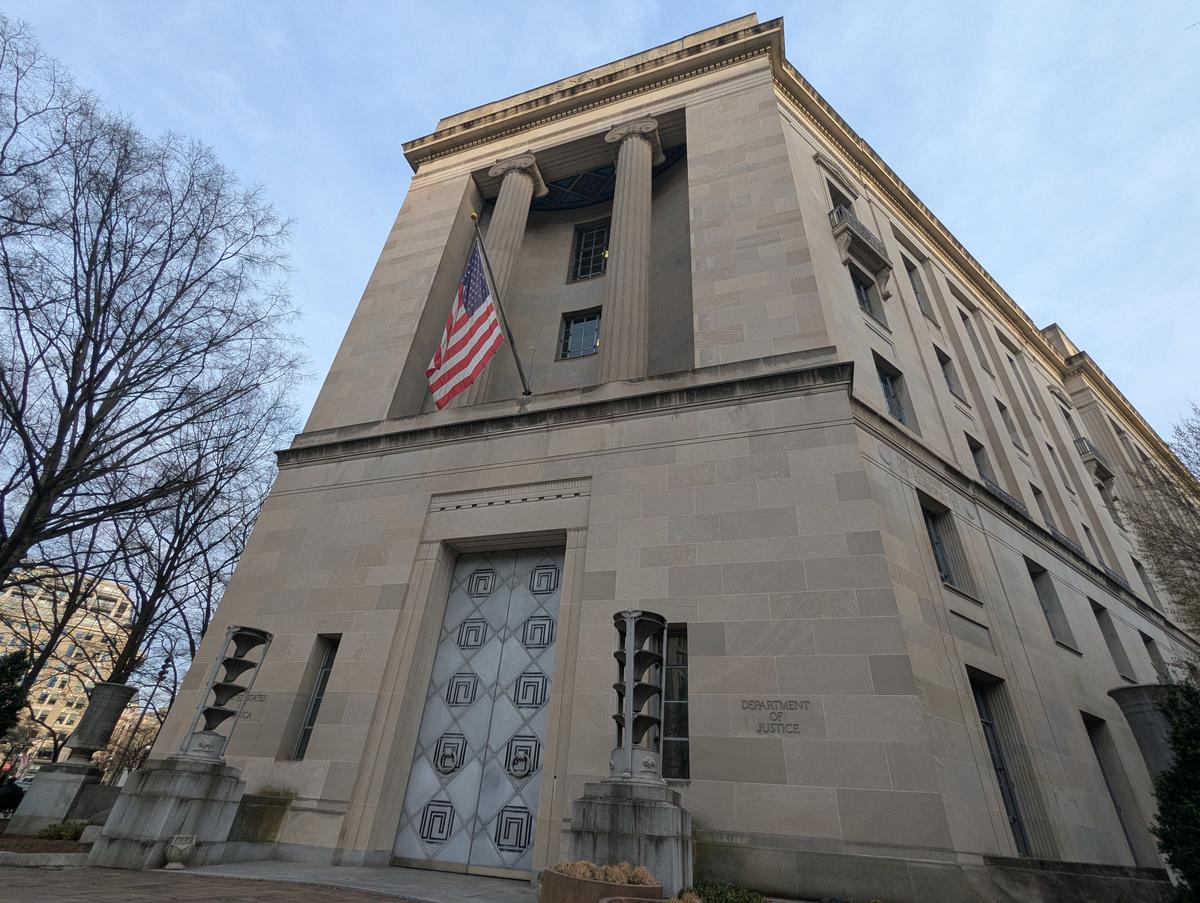
US Justice Department Inspector Announces Audit of Epstein Files
Why It Matters
The audit could force the DOJ to correct redaction practices, restore public trust, and set a precedent for handling high‑profile government records. It also intensifies congressional oversight of the department’s handling of sensitive information.
Key Takeaways
- •OIG will audit DOJ compliance with the Epstein Files Transparency Act
- •DOJ has released only 3.5 million of 6 million pages, many heavily redacted
- •Lawmakers accuse the department of unnecessary redactions and lack of explanations
- •Audit aims to evaluate identification, redaction, and release processes for the files
- •Political pressure mounts as officials face subpoenas and calls for deposition
Pulse Analysis
The Epstein Files Transparency Act, enacted in 2024, obligates the Justice Department to make all records related to Jeffrey Epstein publicly available by December 2025. To date, the agency has disclosed roughly 58 percent of the estimated six million pages, but critics argue that extensive redactions obscure critical details about victims and potential co‑conspirators. Congressional leaders, particularly Democrats such as Rep. Jamie Raskin and Rep. Ro Khanna, have lambasted the DOJ for what they describe as "mysterious" and unnecessary redactions, demanding full accountability and clear justification for each withheld element.
In response, the Office of the Inspector General launched an audit focused on three core processes: identification of relevant documents, the methodology used to redact sensitive information, and the mechanisms for releasing the files. By evaluating these steps, the OIG aims to determine whether the DOJ is meeting statutory obligations under the EFTA and to recommend corrective actions where deficiencies exist. The audit’s findings could trigger remedial measures, including revised redaction guidelines, enhanced oversight, and potentially, legal consequences for non‑compliance, thereby reinforcing the rule of law in handling high‑profile investigations.
The audit also carries significant political weight. Lawmakers are preparing subpoenas and seeking sworn testimony from former Attorney General Pam Bondi, reflecting broader concerns about transparency and institutional integrity. As the DOJ grapples with internal criticism and external pressure, the outcome may influence future legislation on government record‑keeping and set a benchmark for how federal agencies manage sensitive, high‑stakes documentation. Ultimately, the audit could reshape public confidence in the Justice Department’s ability to balance privacy with the public’s right to know.
US Justice Department inspector announces audit of Epstein files
Comments
Want to join the conversation?
Loading comments...