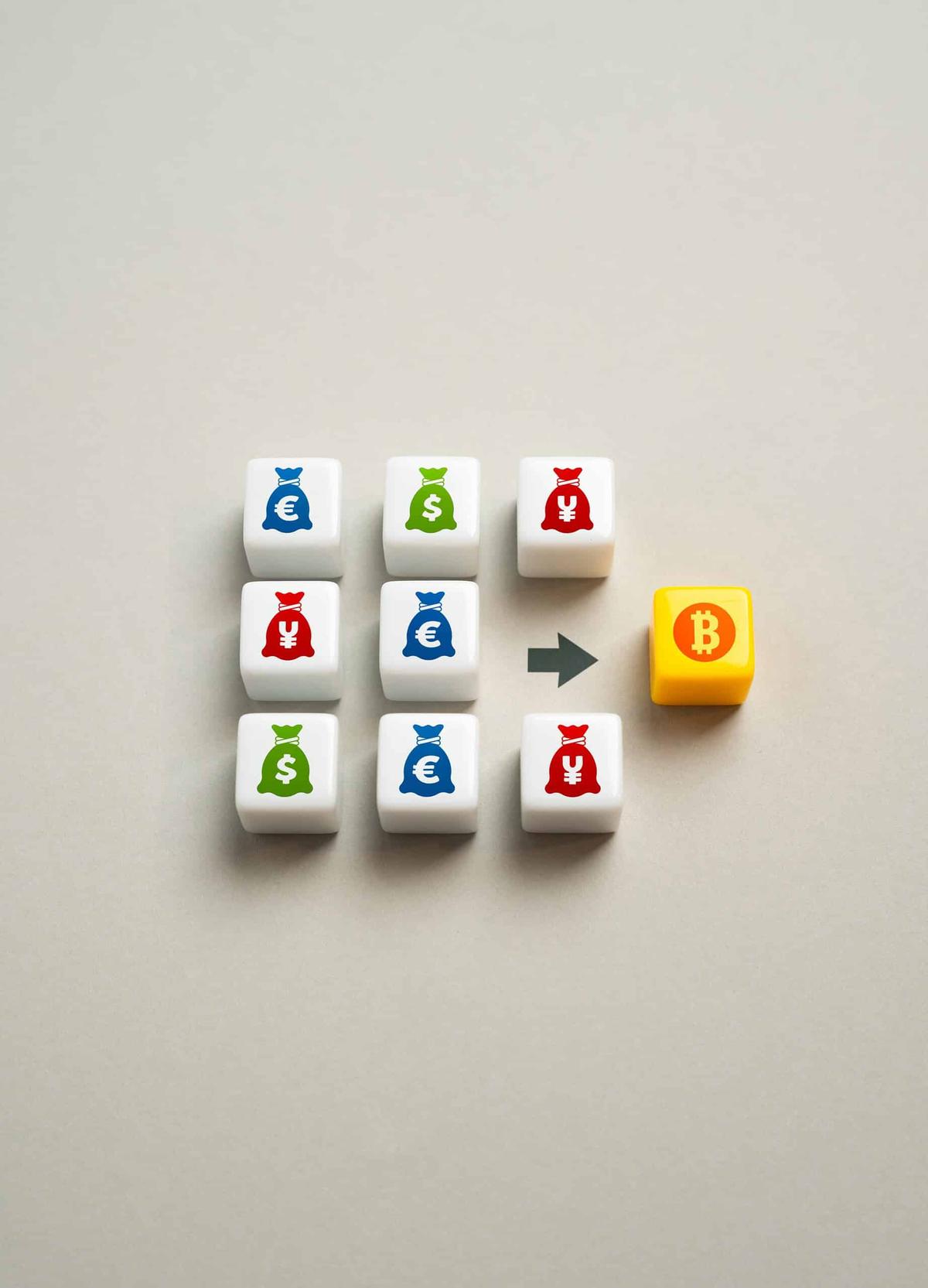
US Regulators Lift Veil On Digital Assets
Why It Matters
By defining where digital assets fall under existing law, the guidance reduces compliance uncertainty and unlocks new capital for crypto markets, especially in futures and options. This clarity is critical for exchanges, investors and developers seeking a stable regulatory environment in the United States.
Key Takeaways
- •SEC and CFTC classify most tokens as digital commodities
- •Guidance covers staking, mining, airdrops, and token wrapping
- •Clear taxonomy removes regulatory grey area for exchanges and investors
- •Enables faster development of crypto futures, options, and structured products
Pulse Analysis
The joint SEC‑CFTC interpretation marks a watershed moment in U.S. crypto regulation, ending years of ambiguity that hampered market growth. By explicitly categorizing assets such as Bitcoin, Ethereum, XRP and others as digital commodities, regulators have drawn a line between securities—subject to strict disclosure rules—and commodities, which are overseen through market practices. This distinction not only aligns federal oversight but also provides a consistent framework for emerging activities like staking, mining and token wrapping, which previously existed in a legal vacuum.
For institutional investors, the new taxonomy translates into reduced legal risk and clearer pathways to allocate capital. Asset managers can now design crypto‑linked funds, ETFs and other vehicles with confidence that the underlying tokens fall under CFTC jurisdiction, simplifying compliance with margin, reporting and custody requirements. Moreover, the guidance is expected to accelerate the launch of regulated derivatives—futures, options and structured products—by clarifying which assets can be used as underlying instruments. This could deepen liquidity, attract traditional market participants, and foster price discovery across the crypto ecosystem.
Looking ahead, the interpretation is a foundation rather than a final rulebook. Industry stakeholders will likely lobby for more granular rules on stablecoins, digital securities and cross‑border transactions, while regulators may refine enforcement priorities as market innovation outpaces policy. Nevertheless, the clear signal that most major tokens are commodities sets the stage for a more mature, investor‑friendly crypto market in the United States, positioning the country as a competitive hub for digital asset finance.
US Regulators Lift Veil On Digital Assets
Comments
Want to join the conversation?
Loading comments...