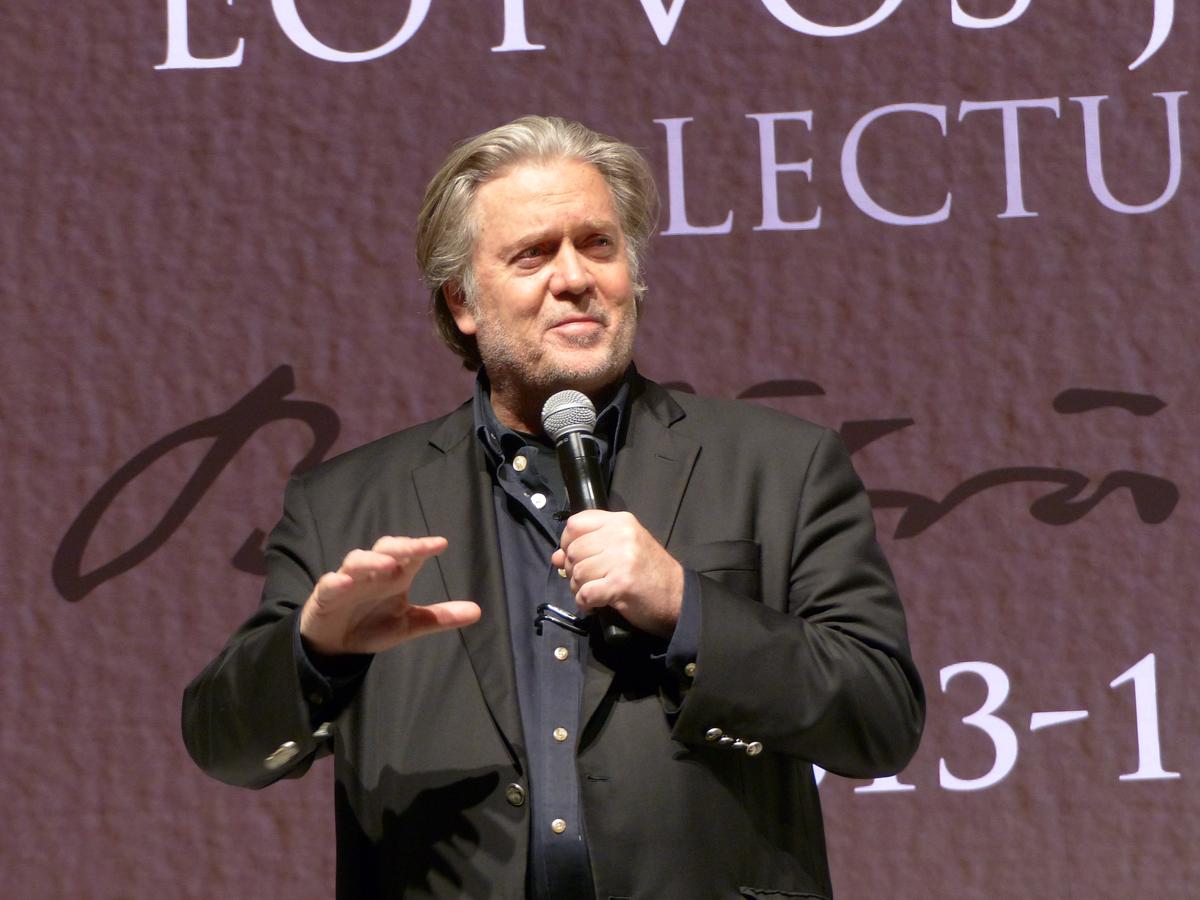
US Supreme Court Vacates Bannon Contempt Ruling, Remands for DOJ Dismissal
Why It Matters
The decision spotlights the clash between executive prosecutorial discretion and congressional oversight, potentially reshaping how contempt of Congress cases are handled in the future.
Key Takeaways
- •Supreme Court vacates Bannon contempt conviction, remands case
- •DOJ seeks dismissal, citing prosecutorial discretion
- •Case tests limits of executive power over congressional subpoenas
- •If dismissed, Bannon's conviction erased after four months imprisonment
- •DC Circuit must review dismissal motion under new guidance
Pulse Analysis
The Supreme Court’s brief order marks a rare intervention in a high‑profile contempt of Congress case. By vacating the D.C. Circuit’s affirmation of Steve Bannon’s conviction and remanding the matter, the Court has opened the door for the Justice Department to argue that prosecutorial discretion outweighs the need to enforce congressional subpoenas. The move does not exonerate Bannon outright; instead, it places the decision squarely in the hands of the lower courts, where a pending motion to dismiss will be evaluated under the same legal standards that govern all federal prosecutions.
At stake is a broader constitutional question: how far can the executive branch pull the lever of discretion to terminate cases that arise from congressional oversight functions? Historically, the Justice Department has been reluctant to dismiss contempt actions, viewing them as essential tools for enforcing legislative authority. However, the DOJ’s position—articulated by Solicitor General D. John Sauer—asserts that even after a jury verdict, the government may dismiss a case if it deems it in the interest of justice. A ruling in Bannon’s favor could set a precedent that emboldens future administrations to curtail congressional investigations by leveraging dismissal authority, reshaping the balance of power between the branches.
Politically, the outcome carries weight for both the Republican base that views Bannon as a martyr and for Democrats seeking robust oversight of the Jan. 6 attack. A dismissal would erase a criminal conviction that has been used to portray the former Trump adviser as a law‑breaker, potentially influencing public perception ahead of upcoming elections. Conversely, upholding the conviction would reinforce congressional subpoena power and signal that executive privilege cannot shield non‑cooperation. Legal scholars will watch the D.C. Circuit’s handling of the dismissal motion closely, as its reasoning could become a reference point for future contempt disputes and for the broader dialogue on separation of powers.
US Supreme Court vacates Bannon contempt ruling, remands for DOJ dismissal
Comments
Want to join the conversation?
Loading comments...