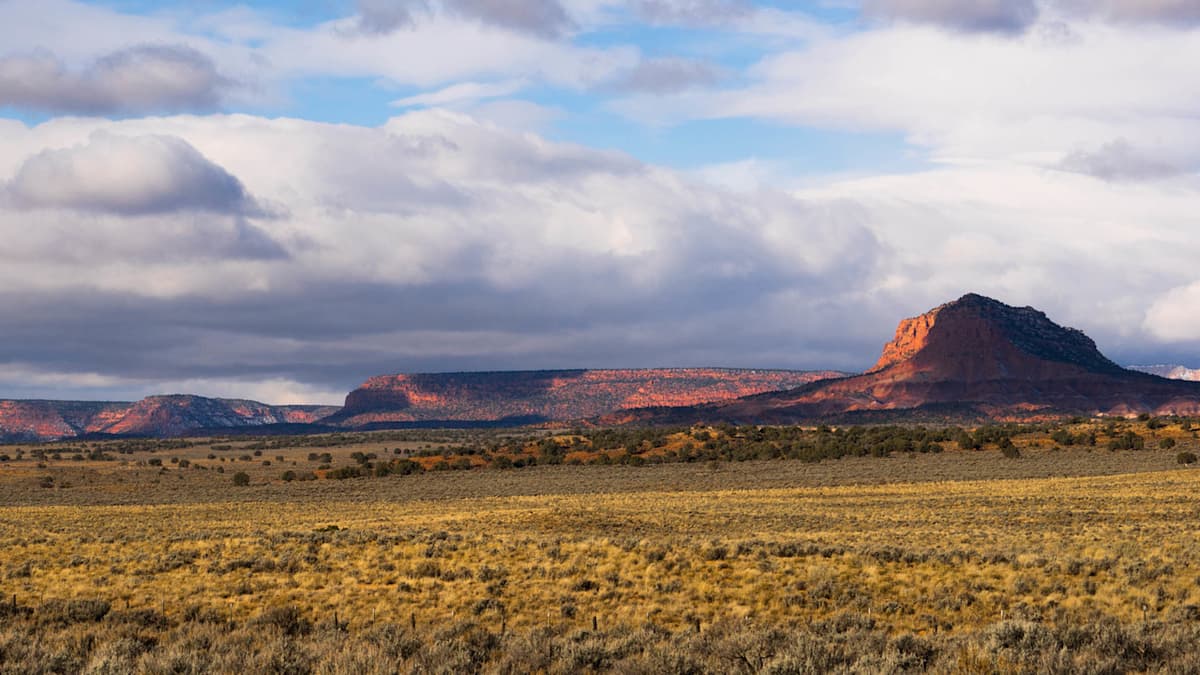
Utah Delegation Uses Unprecedented Tactic to Go After National Monument Plan
Why It Matters
The action could reshape public‑land governance by establishing a new congressional pathway to reverse agency plans, affecting conservation, resource development and legal precedent nationwide.
Key Takeaways
- •Utah delegation files CRA resolution targeting 1.9 M‑acre monument plan.
- •First CRA use to overturn national monument management plan.
- •Environmental groups fear opening monument to drilling and legal battles.
- •CRA resolution bypasses filibuster, needs simple majority within 60 days.
- •Outcome could set nationwide precedent for agency rule reversals.
Pulse Analysis
Grand Staircase‑Escalante, designated in 1996 and restored to its full 1.9 million acres by the Biden administration, has long been a flashpoint between federal conservation goals and local economic interests. The monument’s 2025 Resource Management Plan was crafted after extensive stakeholder input, preserving grazing rights, hunting, and recreational shooting while limiting new energy extraction. By targeting this plan, Utah’s congressional delegation is not merely contesting a single document but challenging the broader balance of federal authority and state‑level land use priorities.
The Congressional Review Act, enacted in 1996, was designed to allow Congress to quickly repeal agency regulations deemed burdensome. Its deployment against a national monument management plan is unprecedented, sidestepping the typical rulemaking process and eliminating the filibuster barrier by requiring only a simple majority within a 60‑day window. Legal scholars note that the CRA’s language—prohibiting a “substantially the same” rule thereafter—creates ambiguity for any successor plan, potentially inviting protracted court battles and setting a template for future congressional overrides of agency decisions.
If successful, the resolution could trigger a cascade of similar challenges across the public‑land portfolio, from BLM resource plans to wildlife refuge policies. Industry groups may view the move as an opening for expanded drilling and mining, while conservation advocates warn it could erode decades of protective frameworks. The outcome will signal how aggressively Congress is willing to intervene in land management, shaping the strategic calculus of both developers and environmental organizations for years to come.
Utah Delegation Uses Unprecedented Tactic to Go After National Monument Plan
Comments
Want to join the conversation?
Loading comments...