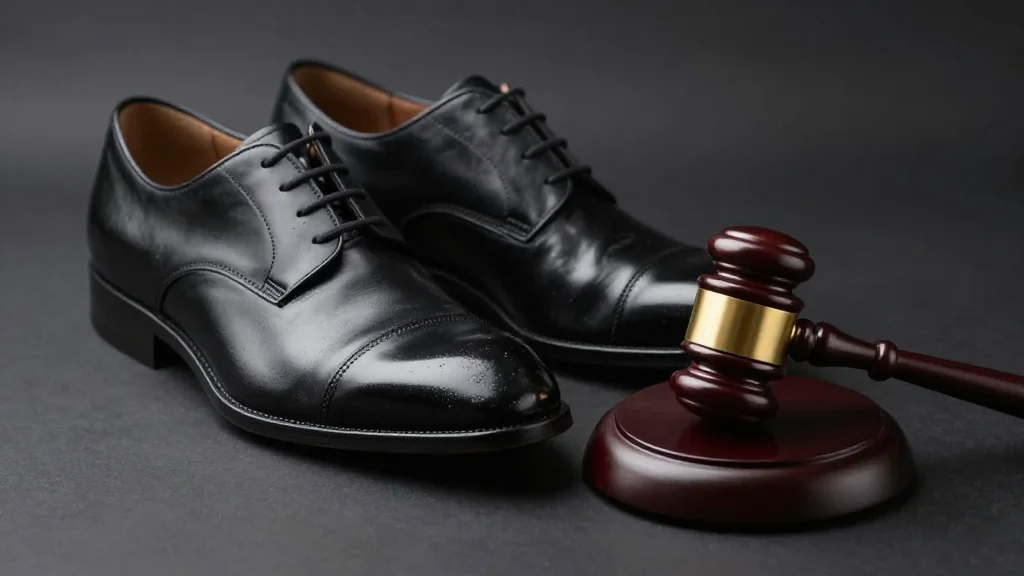
Vietnam, the Go-To Sneaker Production Hub, Faces IP Scrutiny
Why It Matters
The USTR action puts Vietnam’s lucrative sneaker manufacturing sector at risk of higher tariffs or trade barriers, potentially reshaping sourcing strategies for U.S. brands and affecting consumer prices. It also signals heightened U.S. focus on IP enforcement in key overseas supply hubs.
Key Takeaways
- •Vietnam placed on USTR Priority list, first addition in 13 years
- •Footwear sector fears higher costs and supply‑chain disruption
- •USTR may launch Section 301 investigation within 30 days
- •Vietnam produces ~25% of global sneakers, a key export hub
- •OrthoLite opens Ninh Bình plant to localize foam midsole tech
Pulse Analysis
The U.S. Trade Representative’s Special 301 report is a barometer of how American policymakers view foreign intellectual‑property regimes. By adding Vietnam to the Priority Foreign Country list, the USTR signals serious concerns about the country’s ability to protect trademarks and designs that underpin the multi‑billion‑dollar sneaker market. The 30‑day window to decide on a Section 301 investigation gives Washington a lever to press for stricter enforcement, potentially leading to tariffs or other trade remedies if Vietnam fails to address the gaps.
For sneaker brands, Vietnam has become the linchpin of a post‑China diversification strategy. Companies like On Holding AG and the Footwear Distributors and Retailers of America rely on the country’s skilled labor, lower production costs, and established logistics network. However, the new IP scrutiny could translate into higher duties, compliance costs, or even production delays as firms reassess risk. The ripple effect may push some brands to revisit alternative hubs such as Indonesia or to bring more of the value chain back to the United States, reshaping the competitive landscape of athletic footwear.
Vietnam’s broader manufacturing ecosystem is also at a crossroads. Accounting for roughly 25% of global sneaker output, the nation has attracted investments like OrthoLite’s Ninh Bình facility, which aims to localize foam‑midsole technology and reduce reliance on imported components. While these moves demonstrate a commitment to upgrading capabilities, they must be paired with robust IP enforcement to retain confidence from U.S. partners. The outcome of the USTR’s consultation will likely dictate whether Vietnam can maintain its status as the go‑to sneaker hub or face a shift in the global supply chain dynamics.
Vietnam, the Go-to Sneaker Production Hub, Faces IP Scrutiny
Comments
Want to join the conversation?
Loading comments...