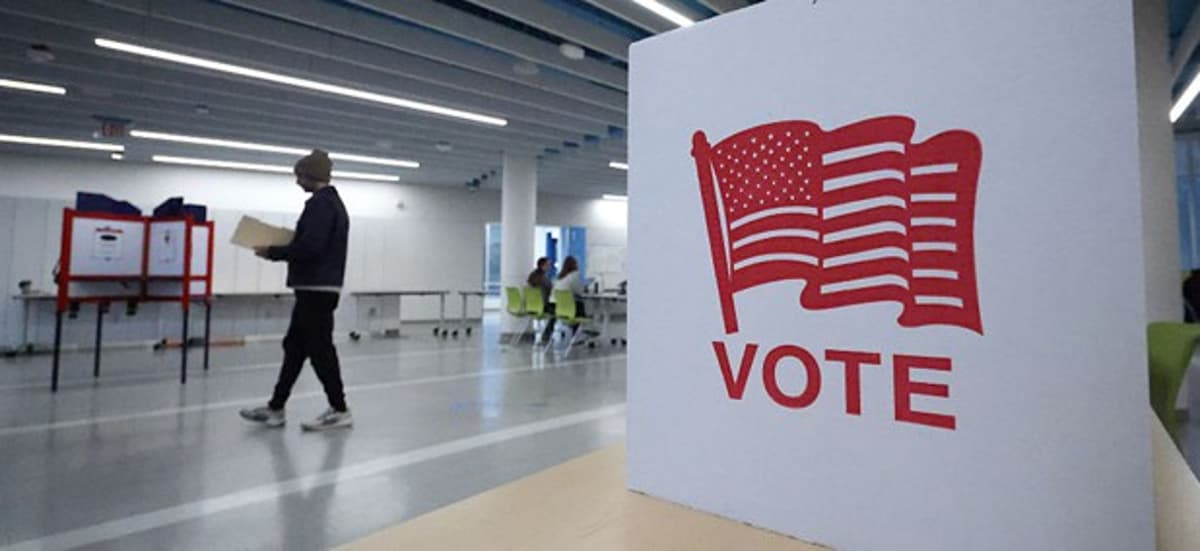
Voting Rights Groups Sue Trump Administration to Stop Collection of Voter Data
Why It Matters
The case pits federal authority against state control of voter lists, raising privacy concerns and potential misuse of personal data. A ruling could reshape how election data is shared nationally and impact future voter‑purge initiatives.
Key Takeaways
- •DOJ requested voter rolls from 30 states and D.C.
- •Twelve states have voluntarily complied with the data requests.
- •Plaintiffs include Common Cause, Texas and Nebraska voters, and ACLU.
- •Lawsuit seeks to halt data collection and force deletion of records.
Pulse Analysis
The Justice Department’s recent push to amass comprehensive voter rolls from every state marks an unprecedented expansion of federal data collection. By requesting lists that contain names, addresses, and partial Social Security numbers, the DOJ claims it is simply enforcing the federal mandate that states keep voter registries up to date. However, critics argue that the breadth of the request exceeds statutory authority and creates a centralized database that could be used for partisan targeting or erroneous voter removals. This tension reflects a broader debate over the balance of power between federal oversight and state sovereignty in election administration.
Legal challenges are already mounting. A coalition of voting‑rights groups, including Common Cause, the ACLU, and individual voters from Texas and Nebraska, sued to block the DOJ’s effort and to compel deletion of any data already gathered. The plaintiffs contend that the request violates privacy statutes and the Constitution’s allocation of election‑related powers to the states. While courts have dismissed the DOJ’s suits in five states, the administration continues to appeal, signaling a protracted legal battle that could eventually reach the Supreme Court. The outcome will set a precedent for how far the federal government can go in aggregating voter information.
The stakes extend beyond the immediate lawsuit. If the DOJ succeeds, a national voter database could streamline future purges but also expose millions of citizens to privacy risks and potential disenfranchisement. Conversely, a ruling against the DOJ would reinforce state control over voter rolls and could limit the federal government’s ability to intervene in local election processes. Stakeholders—from election officials to civil‑rights advocates—are watching closely, as the decision will influence the architecture of election data management and the safeguarding of democratic participation in the United States.
Voting rights groups sue Trump administration to stop collection of voter data
Comments
Want to join the conversation?
Loading comments...