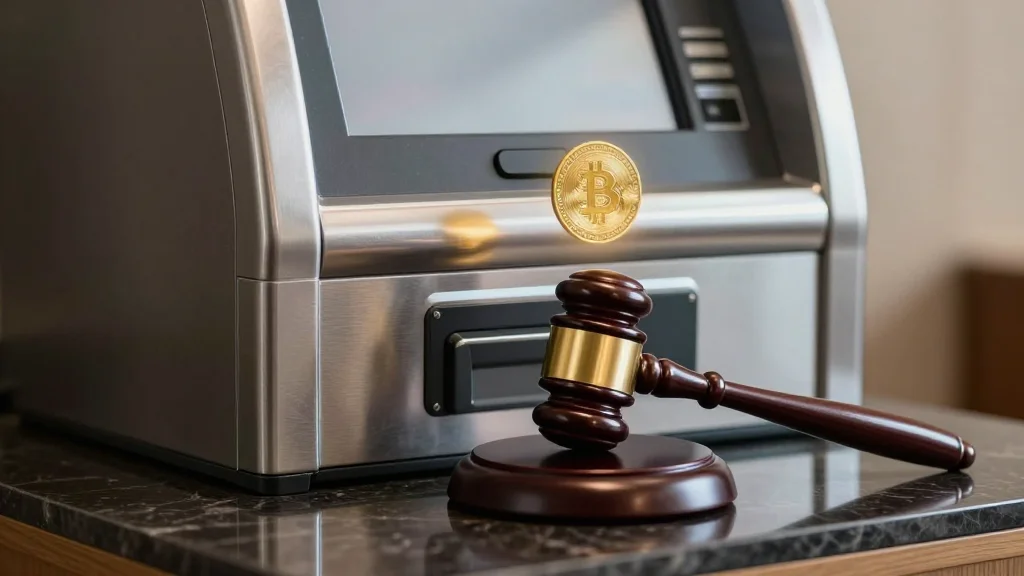
Washington Cities Contemplate Crypto ATM Bans Amid Losses
Why It Matters
Local bans directly curb a proven fraud vector, protecting vulnerable consumers while highlighting the regulatory vacuum that federal inaction creates. The moves signal a growing trend of municipal governments stepping in where state and federal policies lag.
Key Takeaways
- •Tri‑Cities reported $2.4 M crypto ATM losses in three years.
- •Kennewick proposes 180‑day notice ban on crypto kiosks.
- •Spokane’s 2023 ATM ban coincided with sharp case decline.
- •U.S. crypto scams hit $9 B in 2024, 150k victims.
- •Scammers use cash‑in crypto ATMs to target seniors’ life savings.
Pulse Analysis
The rapid expansion of cryptocurrency ATMs across the Pacific Northwest has outpaced regulatory oversight, leaving consumers exposed to high‑stakes fraud. In Washington, 76 kiosks operate in the Tri‑Cities alone, each offering instant cash‑to‑crypto conversions without the safeguards of traditional banking. Municipalities like Spokane have taken decisive action, banning the machines outright and reporting a noticeable dip in crypto‑related complaints. Kennewick’s pending ordinance mirrors this approach, mandating a 180‑day removal window for existing kiosks and prohibiting future installations, a move that could become a template for other cities grappling with similar losses.
Victims of crypto‑ATM scams often surrender life‑savings in a single transaction, drawn by promises of quick returns or coerced by impersonated authorities. The FBI’s 2024 report of $9 billion lost nationwide illustrates that the problem extends far beyond Washington, affecting 150,000 Americans, many of whom are seniors with limited digital literacy. Scammers exploit the anonymity of blockchain wallets, making recovery virtually impossible once funds leave the kiosk. Consumer‑education campaigns, like Spokane’s public‑awareness push, are essential but insufficient without structural safeguards such as transaction caps, mandatory receipts, and real‑time monitoring.
The regulatory vacuum at the federal level forces states and cities to devise piecemeal solutions, a strategy that risks uneven consumer protection. Lawmakers could consider a coordinated framework that imposes uniform transaction limits, requires KYC verification for cash‑in transactions, and mandates transparent fee disclosures. Until Congress acts, municipalities that ban or tightly regulate crypto ATMs will likely see reduced fraud rates and set precedents for broader policy. Stakeholders—including banks, fintech firms, and consumer‑advocacy groups—should collaborate to develop standards that balance innovation with robust fraud deterrence.
Washington Cities Contemplate Crypto ATM Bans Amid Losses
Comments
Want to join the conversation?
Loading comments...