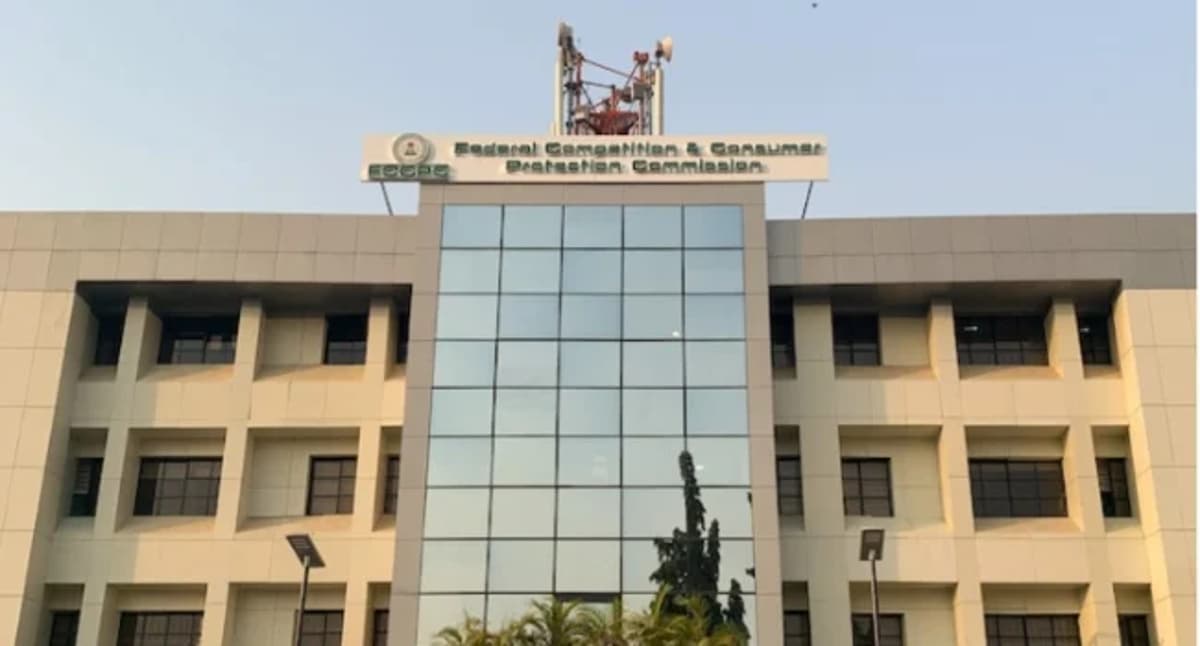
WASPA’s Court Win Could Be a Setback for Every Nigerian Harassed by a Loan App
Companies Mentioned

Why It Matters
The court’s decision stalls consumer‑protection reforms in Nigeria’s booming fintech sector, while the Nairobi layoffs illustrate the vulnerability of African tech labor to AI automation, and Congo’s crackdown could force telecoms to upgrade infrastructure, affecting millions of users.
Key Takeaways
- •Nigerian court blocks FCCPC digital‑lending enforcement pending appeal
- •FCCPC received over 11,000 consumer complaints on loan apps (2021‑23)
- •Meta‑related AI data‑labeling jobs cut 1,108 workers in Nairobi
- •Congo regulator orders MTN, Airtel to fix network quality within six months
- •Poor 2G coverage remains a major issue in rural Congo
Pulse Analysis
Nigeria’s digital‑lending market has exploded, but the regulatory framework remains contested. The Federal Competition and Consumer Protection Commission introduced the DEON Regulations to curb abusive loan‑app practices, yet the Wireless Application Service Providers Association argues that telecom‑related credit falls under the Nigerian Communications Commission’s remit. By freezing enforcement, the court leaves more than 11,000 complaints from 2021‑23 in limbo, creating uncertainty for lenders, investors, and the millions of borrowers who rely on quick cash access. The outcome will shape the balance of power between fintech innovators and consumer‑protection agencies across West Africa.
The abrupt redundancy of 1,108 data‑labeling staff in Nairobi reflects a broader shift in the global AI supply chain. As large language models and computer‑vision systems become more sophisticated, the need for human‑generated training data shrinks, prompting firms like Sama to cut contracts tied to legacy labeling workflows. For African workers, the loss highlights the precarious nature of tech‑enabled gig economies that promise high‑skill jobs but often deliver low‑pay, high‑stress roles with limited career progression. Policymakers and NGOs are now debating whether to invest in reskilling programs that can transition this labor pool into emerging AI‑supervision or software‑development positions.
In the Democratic Republic of Congo, the telecom regulator’s six‑month notice to MTN and Airtel marks a decisive turn toward stricter service‑quality oversight. Audits revealed chronic deficiencies in 2G coverage and uneven 4G rollout, especially in rural north‑east regions where the national fibre backbone is fragile. By tying compliance to potential fines and licence risks, the regulator aims to pressure operators into infrastructure upgrades that could close the digital divide for millions of Congolese. This move mirrors a continent‑wide trend where governments are no longer tolerating sub‑standard connectivity, recognizing that reliable telecom services are essential for economic growth, e‑commerce, and the next wave of fintech innovation.
WASPA’s court win could be a setback for every Nigerian harassed by a loan app
Comments
Want to join the conversation?
Loading comments...