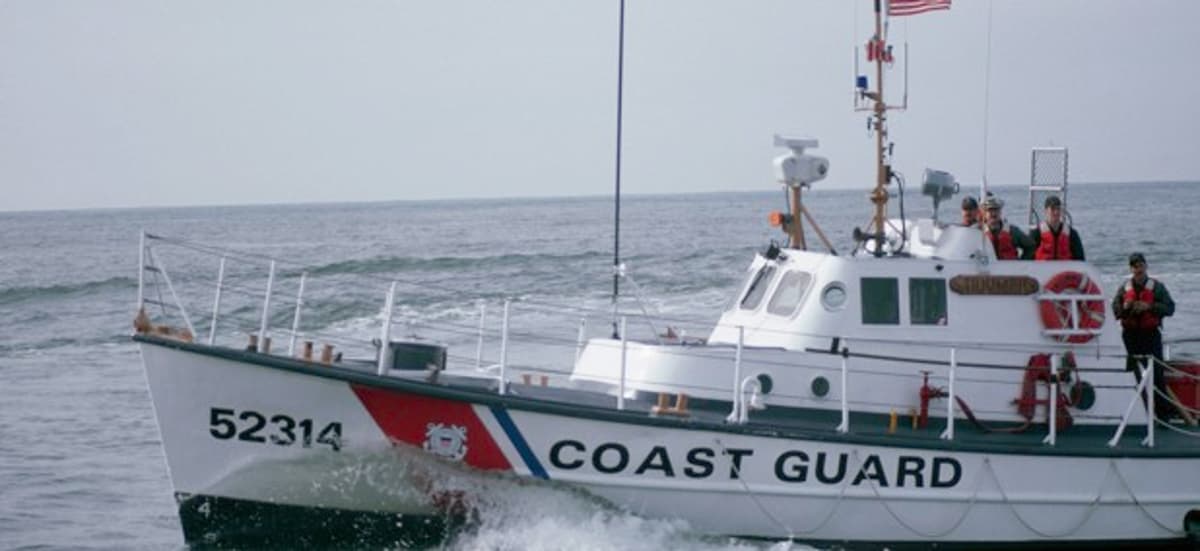
Watchdog Flags Gaps in Coast Guard’s Handling of Discrimination Complaints
•February 12, 2026
0
Why It Matters
The findings reveal systemic weaknesses that risk eroding service‑member morale and legal compliance, while the forthcoming reforms aim to safeguard personnel and align the Coast Guard with federal equal‑opportunity standards.
Key Takeaways
- •112 incidents reported from 1998‑2024, 79% race‑related.
- •Definitions vary, causing inconsistent response across commands.
- •Half of incidents occurred after 2019, linked to reporting comfort.
- •GAO recommends clear definition, standardized tracking, commander training.
Pulse Analysis
Discrimination complaints within the U.S. Coast Guard have moved into the spotlight as the Government Accountability Office’s latest report uncovers structural flaws in how social climate incidents are defined and processed. The term "social climate incident" encompasses hostile or harassing actions based on unlawful discrimination, yet the GAO found the service’s own definition ambiguous, leaving room for divergent interpretations across units. This lack of clarity not only hampers consistent investigative standards but also creates uncertainty for service members seeking redress, potentially discouraging reporting and eroding trust in leadership.
The data reveal a sharp uptick in reported incidents after 2019, a period coinciding with heightened national awareness of racial inequities following the 2020 anti‑racism protests. While the Coast Guard attributes the rise partly to increased willingness to report, the GAO notes that 79% of the 112 incidents involve race or ethnicity, underscoring persistent challenges in fostering an inclusive environment. Moreover, the absence of documentation for six cases and commanders’ unfamiliarity with internal tracking tools signal gaps in accountability mechanisms that could expose the service to legal and reputational risks.
In response, the Department of Homeland Security has pledged to implement GAO’s three recommendations by the end of fiscal 2026: refine the incident definition, institute a uniform data‑collection process, and ensure commanders are trained on tracking tools. These steps are poised to standardize response protocols, improve transparency, and reinforce the Coast Guard’s commitment to its core values. Successful execution could serve as a model for other military branches grappling with similar personnel‑policy challenges, ultimately strengthening readiness by safeguarding the dignity and morale of the force.
Watchdog flags gaps in Coast Guard’s handling of discrimination complaints
0
Comments
Want to join the conversation?
Loading comments...