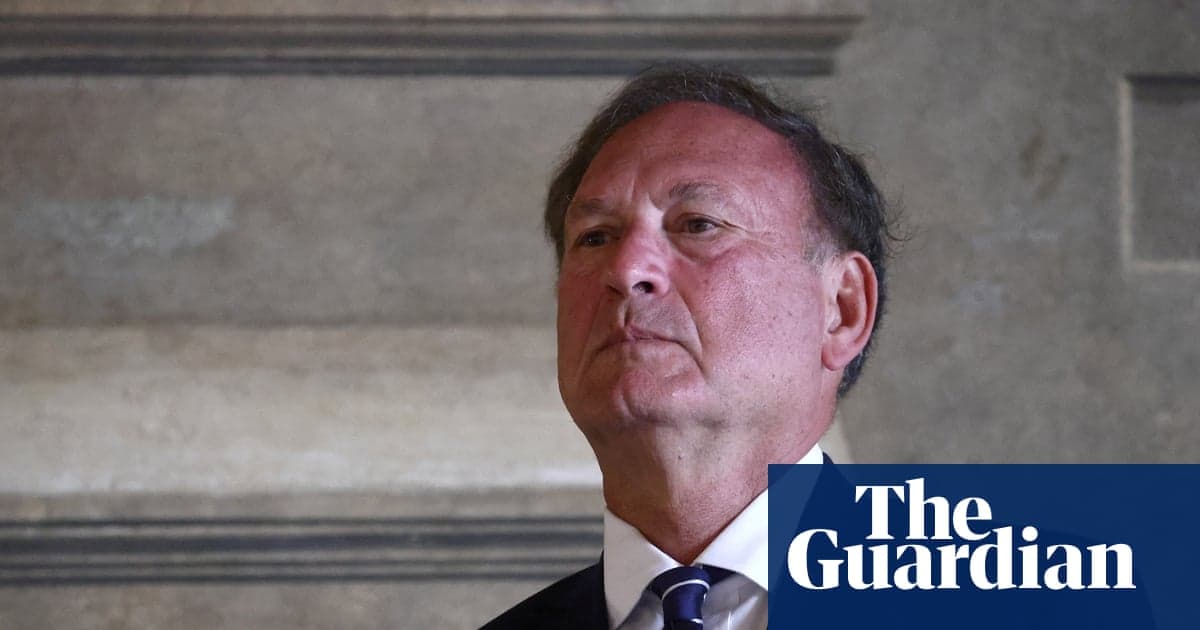
Watchdog Groups Urge Senate to Investigate Samuel Alito over Oil Stock Conflicts
Companies Mentioned
Why It Matters
If a sitting justice rules on cases that could financially benefit him, public confidence in the judiciary erodes and the outcome of multi‑billion‑dollar climate lawsuits could shift dramatically. Congressional scrutiny could force tighter ethics rules or compel recusal standards for the nation’s highest court.
Key Takeaways
- •Alito holds $60k‑$245k in multiple oil stocks.
- •Watchdogs demand Senate probe into Alito’s conflict of interest.
- •Supreme Court’s 2023 ethics code lacks enforcement mechanism.
- •Alito declined recusal in Suncor case despite holdings.
- •New court software flags conflicts but relies on self‑recusal.
Pulse Analysis
The controversy surrounding Justice Samuel Alito underscores a growing tension between personal financial interests and the Supreme Court’s newly adopted ethics framework. Alito’s disclosed holdings in ConocoPhillips, Phillips 66, and a Vanguard fund that lists Exxon as a top holding place him at the center of climate‑related litigation that could affect the oil industry’s bottom line. While the 2023 code obliges justices to step aside when impartiality is doubtful, it entrusts the decision to the justices themselves, a loophole that watchdogs argue undermines accountability.
Lawmakers and advocacy groups see the Alito case as a litmus test for the Court’s willingness to police its own conduct. The Senate Judiciary Committee, traditionally reluctant to intervene in judicial affairs, now faces pressure to examine whether the current self‑recusal model can withstand scrutiny when financial stakes run into the billions. A Senate inquiry could prompt legislative action to tighten disclosure requirements, introduce an independent review panel, or even amend the Constitution’s separation‑of‑powers doctrine to safeguard judicial integrity.
Beyond the political arena, the stakes are economic and environmental. The pending Suncor and Exxon petitions could set precedent on whether state and local governments can sue oil companies for climate‑related damages, potentially reshaping liability standards for the entire sector. If Alito’s participation is deemed a conflict, the Court may be forced to recuse, altering the balance of votes and possibly leading to outcomes more favorable to climate plaintiffs. The episode may accelerate calls for systematic reforms, including automated conflict‑checking tools and clearer, enforceable recusal guidelines, to preserve both the Court’s legitimacy and the rule of law in high‑impact climate cases.
Watchdog groups urge Senate to investigate Samuel Alito over oil stock conflicts
Comments
Want to join the conversation?
Loading comments...