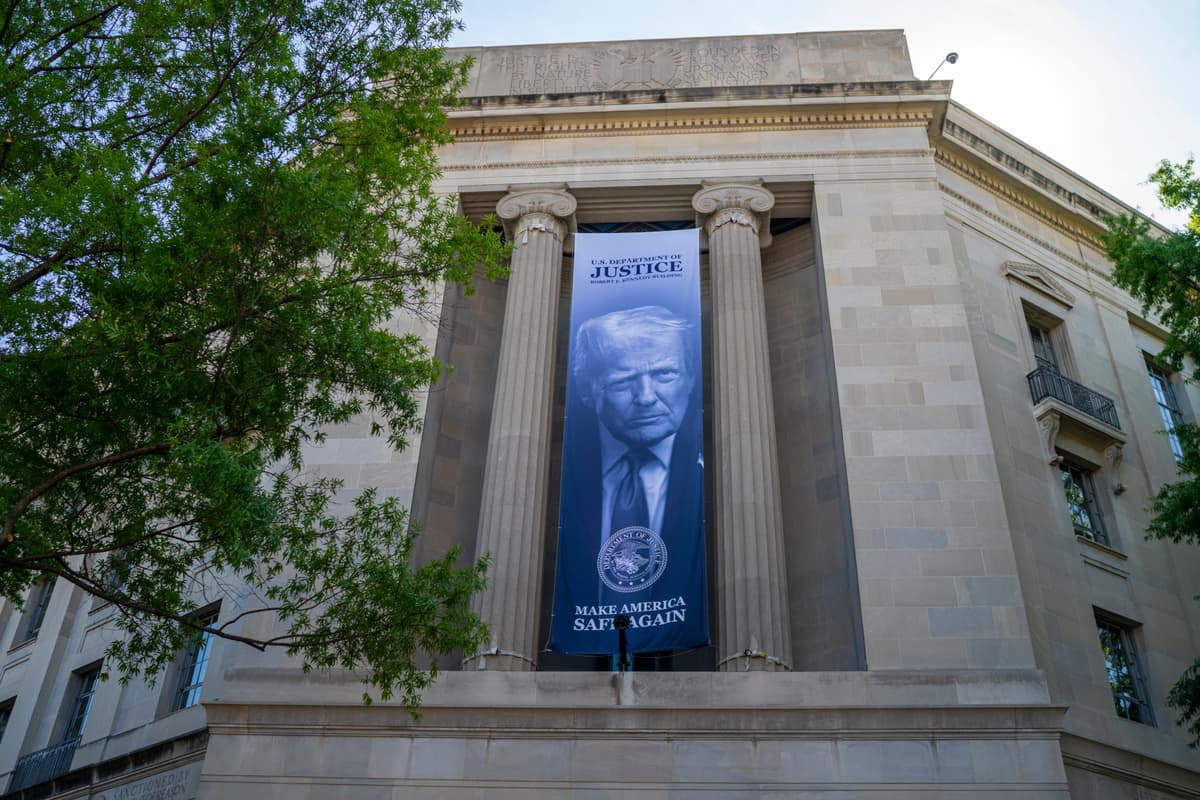
What Congress Should Do About the President’s Sweetheart Deal in Trump V. IRS
Key Takeaways
- •Administration may abandon $1.8 billion settlement fund but audit release remains risk
- •Congress urged to block broad tax‑audit release for President and affiliates
- •Potential violations of IRC §§7217 and 7212 could trigger criminal investigations
- •Legislation proposed to prohibit presidential self‑dealing in IRS audit settlements
- •Court injunction on fund expires June 12, raising immediate legislative urgency
Pulse Analysis
The $1.8 billion "anti‑weaponization" fund emerged from a controversial settlement that would have shielded former President Donald Trump and his close associates from ongoing IRS audits. While recent reports suggest the administration may abandon the cash component, the underlying agreement still seeks a sweeping release of any tax‑related claims, a move that exceeds the Acting Attorney General’s statutory authority. This raises serious concerns about the separation of powers, as the executive branch appears to be leveraging the Treasury’s enforcement arm to provide personal legal protection, a scenario reminiscent of the Watergate‑era abuses that prompted Congress to codify anti‑interference statutes.
Legal scholars point to two key criminal provisions that could be implicated. Section 7217 of the Internal Revenue Code makes it a felony for elected officials to directly or indirectly influence the termination of an audit, while Section 7212 criminalizes broader corrupt interference with tax administration. Evidence that Trump and his advisers discussed pending audits and drafted settlement language suggests possible violations, and the statute‑of‑limitations clocks could reset if a conspiracy is uncovered. A thorough congressional investigation would not only clarify whether these statutes were breached but also signal that political interference in tax matters will be met with robust enforcement.
Congressional response is now critical. Lawmakers are drafting bills to block the IRS from implementing the audit‑release order, to prevent the $1.8 billion fund from ever being disbursed, and to establish explicit prohibitions against presidential self‑dealing in tax settlements. With a court injunction set to lapse on June 12, the window for decisive action is narrow. Enacting these safeguards would reinforce the principle that no individual, regardless of office, is above tax law, preserving public confidence in the fairness of the tax system.
What Congress Should Do About the President’s Sweetheart Deal in Trump v. IRS
Comments
Want to join the conversation?