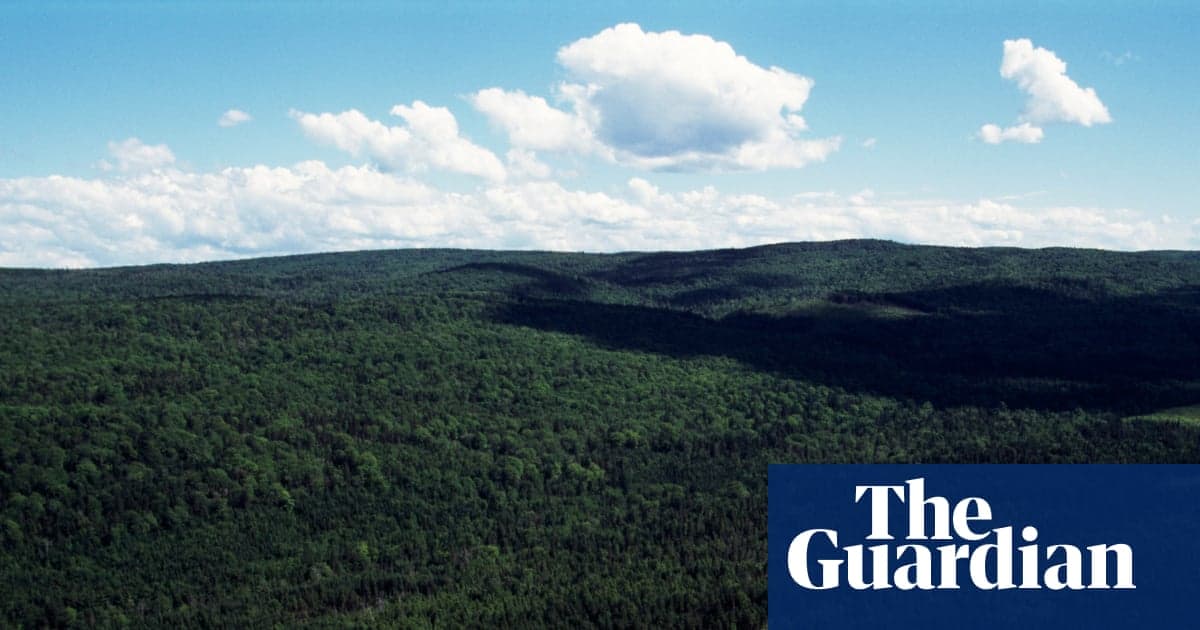
What Counts as the Woods? Judge Axes Nova Scotia’s Ban that Defied ‘Commonsense Definitions’
Why It Matters
The decision curtails government overreach in crises, reinforcing that public‑safety measures must be narrowly tailored and respect Charter rights, setting a precedent for future disaster policies.
Key Takeaways
- •Nova Scotia fined hikers up to C$25,000 (~$18.5k) for entering “woods”.
- •Court ruled ban violated Charter mobility rights and was unreasonably vague.
- •Justice Centre for Constitutional Freedoms helped veteran win reversal of fine.
- •Permit exemptions let utilities and telecoms operate in restricted forest zones.
- •Ruling signals courts will curb vague emergency measures that infringe rights.
Pulse Analysis
In the summer of 2025, raging wildfires forced Nova Scotia’s premier to issue an emergency order that barred the public from entering any area classified as “the woods.” The decree applied a steep penalty of C$25,000—roughly $18,500 USD—for each violation, and the definition stretched beyond dense forest to include rock barrens, scrubland, marshes and even lands that once held trees. The broad language left hikers and outdoor enthusiasts scrambling to interpret where the ban actually began, prompting widespread confusion and criticism from civil‑rights observers.
The ban quickly became a test case for Canada’s Charter of Rights and Freedoms after veteran Jeffrey Evely, represented by the Justice Centre for Constitutional Freedoms, was fined C$28,872.50 (about $21,350 USD) for deliberately defying the order. Nova Scotia Supreme Court Justice Jamie Campbell ruled that the prohibition infringed mobility rights and was “so vague as to be incapable of being interpreted,” failing the required proportionality analysis. By emphasizing that emergency measures must be narrowly tailored and justified, the judgment reinforces judicial oversight of public‑safety directives and signals that blanket bans will face heightened scrutiny.
The decision arrives as the province continues to grant limited permits to forest operators, utilities and telecom companies, underscoring the uneven application of the emergency rules. While authorities argue that targeted exemptions are essential for firefighting and infrastructure protection, the court’s finding warns that any future restrictions must balance operational needs with constitutional guarantees. Policymakers across Canada are now watching Nova Scotia’s case for guidance, as it may shape how jurisdictions craft emergency orders that protect lives without eroding fundamental freedoms.
What counts as the woods? Judge axes Nova Scotia’s ban that defied ‘commonsense definitions’
Comments
Want to join the conversation?
Loading comments...