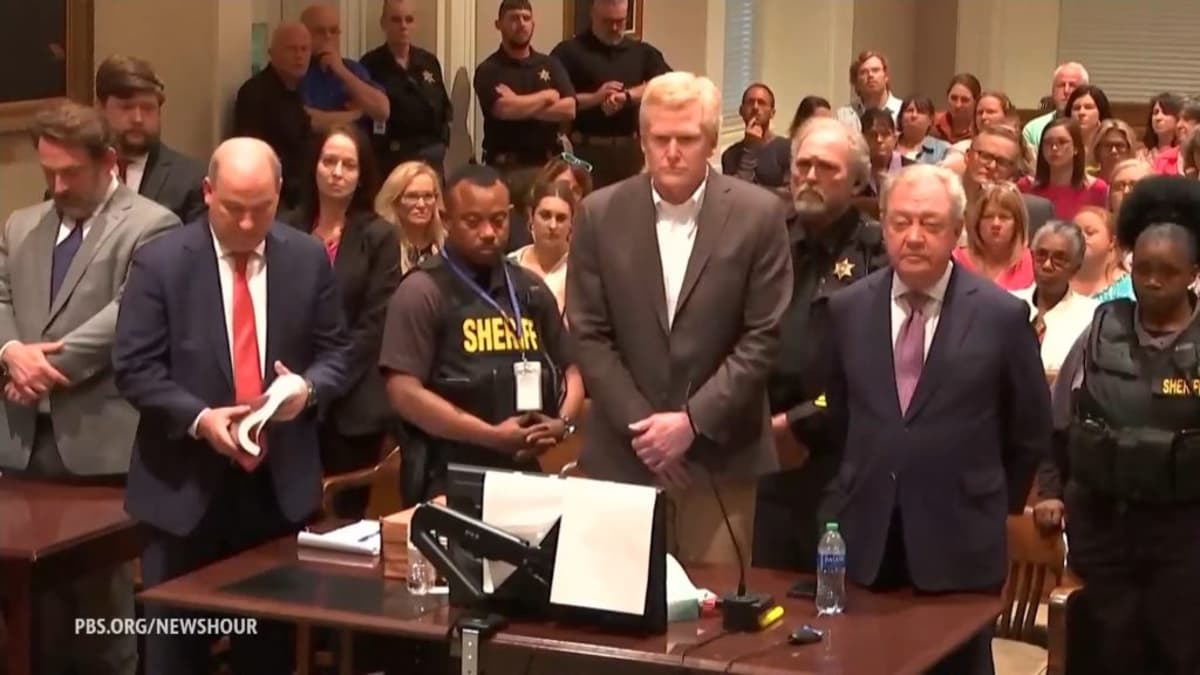
Why a Court Overturned Alex Murdaugh's Double Murder Conviction
Why It Matters
The reversal underscores how judicial misconduct can overturn even high‑stakes convictions, prompting scrutiny of court oversight and affecting the upcoming retrial’s timeline and venue. It also signals to prosecutors that procedural integrity is paramount, regardless of a defendant’s notoriety.
Key Takeaways
- •SC Supreme Court reversed Murdaugh's murder convictions due to clerk misconduct
- •Court clerk Becky Hill allegedly advised jurors, breaching impartiality rules
- •New trial ordered; Attorney General Alan Wilson pledges to retry case
- •Property where murders occurred sold, complicating evidence collection
- •Case underscores vulnerabilities in small‑town court procedures
Pulse Analysis
The Alex Murdaugh saga has become a textbook example of how wealth, power, and tragedy can intersect in the American legal system. Convicted in 2023 for the murders of his wife Maggie and son Paul, Murdaugh’s case captured national attention through live‑streamed proceedings and a dramatic courtroom narrative. Beyond the sensational details, the trial exposed deep‑seated issues in a rural jurisdiction, where personal relationships among court staff, jurors, and attorneys blurred the lines of impartiality. The overturning of his convictions by the South Carolina Supreme Court highlights the fragility of verdicts when procedural violations surface.
At the heart of the reversal lies the conduct of court clerk Becky Hill, who allegedly whispered cautions to jurors during Murdaugh’s testimony, urging them to focus on his actions rather than his words. Such interference violates the fundamental principle that jurors must remain insulated from external influence, a cornerstone of due process. The justices described Hill’s behavior as “breathtaking and disgraceful,” emphasizing that even seemingly minor breaches can undermine public confidence. Legal scholars note that this decision may set a precedent for stricter enforcement of juror‑court interaction rules, especially in small‑town courts where staff often wear multiple hats.
Looking forward, the mandated retrial presents logistical and strategic challenges. With the original crime scene sold and fragmented, prosecutors must reconstruct evidence without the benefit of the original location. Additionally, the political landscape adds complexity; Attorney General Alan Wilson, poised for a gubernatorial run, has vowed to pursue the case, while his successor may inherit the burden. The episode serves as a cautionary tale for jurisdictions nationwide, urging reforms that reinforce judicial independence, enhance clerk training, and safeguard the sanctity of juror deliberations. In an era where high‑profile trials are streamed to millions, maintaining procedural integrity is essential to preserving the rule of law.
Why a court overturned Alex Murdaugh's double murder conviction
Comments
Want to join the conversation?
Loading comments...