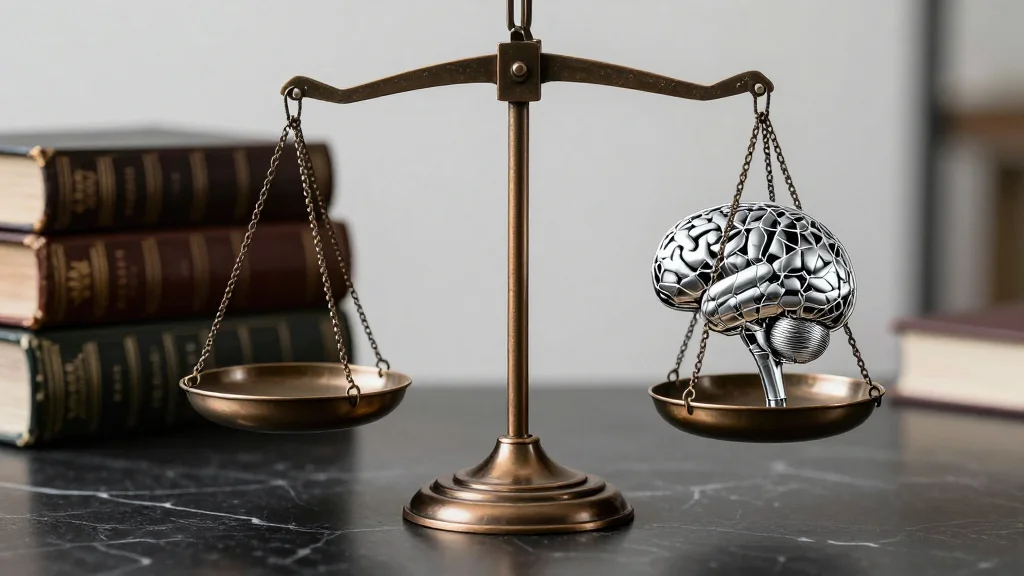
Zuckerberg 'Personally Authorized and Encouraged' Meta's Copyright Infringement



Why It Matters
The suit targets the core data‑training practices of generative AI, raising the prospect of costly liability for tech firms that rely on unlicensed content. A ruling could reshape how the AI industry sources training data and negotiate licenses, influencing market dynamics and innovation costs.
Key Takeaways
- •Plaintiffs allege Zuckerberg personally directed illegal data scraping for Llama.
- •Five publishers claim Meta used pirated books and articles for AI training.
- •Meta argues AI training may qualify as fair use under U.S. law.
- •Lawsuit seeks unspecified damages, could set precedent for AI copyright liability.
- •Case filed in Southern District of New York, may affect industry standards.
Pulse Analysis
The lawsuit against Meta underscores a growing tension between rapid AI development and traditional copyright law. While tech companies argue that training large language models on publicly available text falls under fair use, plaintiffs contend that systematic mass‑scraping of protected works exceeds permissible bounds. This clash mirrors earlier disputes such as Authors Guild v. Google, where courts weighed the public benefit of searchable archives against authors' rights. As AI models become more capable, the legal definition of "transformative use" is being tested on an unprecedented scale.
U.S. courts have yet to issue a definitive ruling on whether the wholesale ingestion of copyrighted material for machine learning constitutes fair use. The doctrine hinges on factors like the purpose of use, the nature of the work, the amount taken, and the effect on the market. Meta’s defense leans on the argument that AI training is a non‑commercial, research‑oriented activity that ultimately creates new, derivative outputs. However, plaintiffs highlight the commercial intent behind Llama and the potential market substitution for licensed content. A decision favoring the publishers could compel AI developers to secure licenses retroactively, inflating costs and possibly slowing innovation.
For the broader tech sector, the case serves as a warning signal. Companies may need to overhaul data acquisition strategies, invest in licensing frameworks, or develop proprietary datasets to mitigate legal risk. Investors are likely to scrutinize AI firms' compliance practices, and regulators may consider new guidelines for AI training data. Ultimately, the outcome will influence how quickly generative AI can be deployed at scale while respecting intellectual property rights, shaping the competitive landscape for years to come.
Zuckerberg 'Personally Authorized and Encouraged' Meta's Copyright Infringement
Comments
Want to join the conversation?
Loading comments...