A Guide to London’s Private Jet Terminals
Companies Mentioned
Why It Matters
These terminals streamline premium travel into the UK capital, reducing transit time and enhancing the value proposition for business executives and high‑net‑worth individuals. Their competitive services attract global private‑aviation operators, reinforcing London’s status as a European aviation hub.
Key Takeaways
- •Heathrow’s Signature Flight Support offers 24‑hour customs and VIP lounges.
- •Biggin Hill’s FBO provides two lounges for up to 40 passengers.
- •Gatwick includes de‑icing, Air BP fueling, and 24‑hour security.
- •Harrods Aviation at Stansted delivers luxury ground transport and charter sourcing.
- •All terminals lie within 15‑25 miles of central London.
Pulse Analysis
Private‑jet traffic into the United Kingdom has surged as corporations seek faster, more secure routes to London’s financial districts. The city’s proximity to Europe’s major markets and its dense network of multinational headquarters make it a magnet for premium aviation. Fixed‑Base Operators (FBOs) at key airports now compete on service depth, offering everything from 24‑hour customs clearance to bespoke concierge amenities, positioning London alongside global hubs like New York and Dubai.
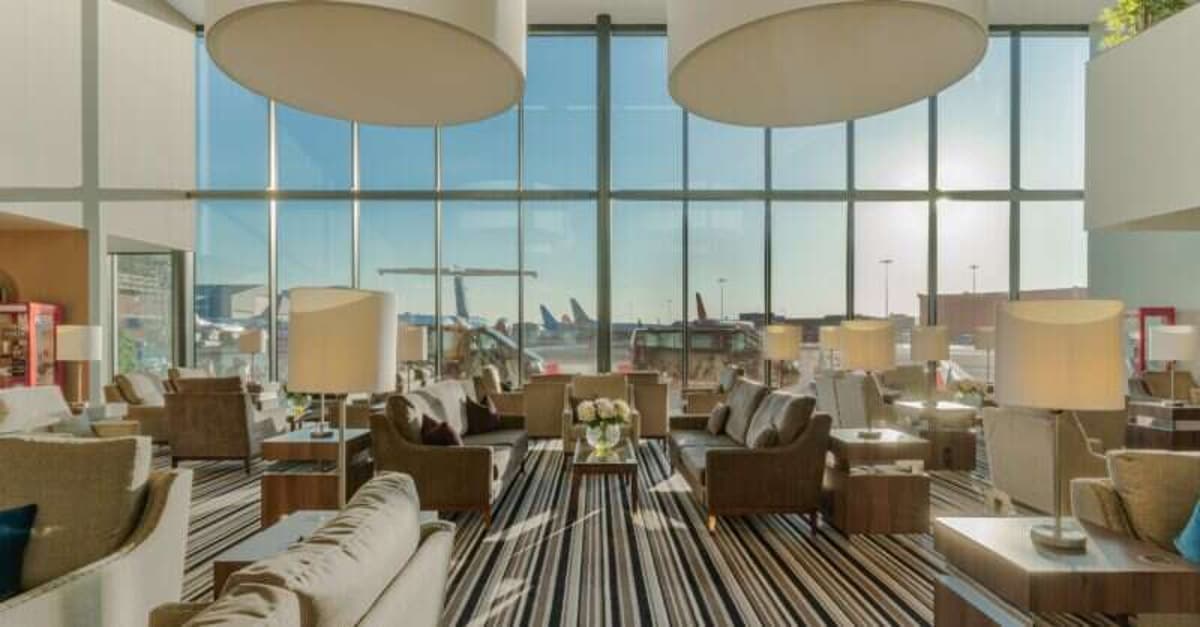
Each of the four highlighted terminals carves a niche. Heathrow’s Signature Flight Support leverages the airport’s massive infrastructure, handling everything from light helicopters to wide‑body B747s while providing on‑site VIP lounges and a conference room for up to 12 guests. Biggin Hill, a 20‑year‑old FBO, focuses on intimacy with two lounges that accommodate 20 and 40 passengers respectively, plus dedicated ground transport and catering. Gatwick differentiates itself with robust operational support such as de‑icing, Air BP fueling, and round‑the‑clock security surveillance, catering to operators who prioritize reliability during inclement weather. Harrods Aviation at Stansted adds a luxury veneer, offering high‑end ground transport, pre‑clearance services and a sophisticated charter‑sourcing network.
For business travelers, the concentration of premium FBO services reduces door‑to‑door travel time and simplifies logistics, translating into higher productivity and lower opportunity costs. As the private‑aviation market anticipates a 5‑7% annual growth rate through 2030, these terminals are poised to capture increased demand, prompting further investment in technology, sustainability initiatives, and expanded lounge capacities. Companies that align their travel strategies with these high‑service hubs can gain a competitive edge in speed, comfort, and operational flexibility.
A Guide to London’s Private Jet Terminals
Comments
Want to join the conversation?
Loading comments...