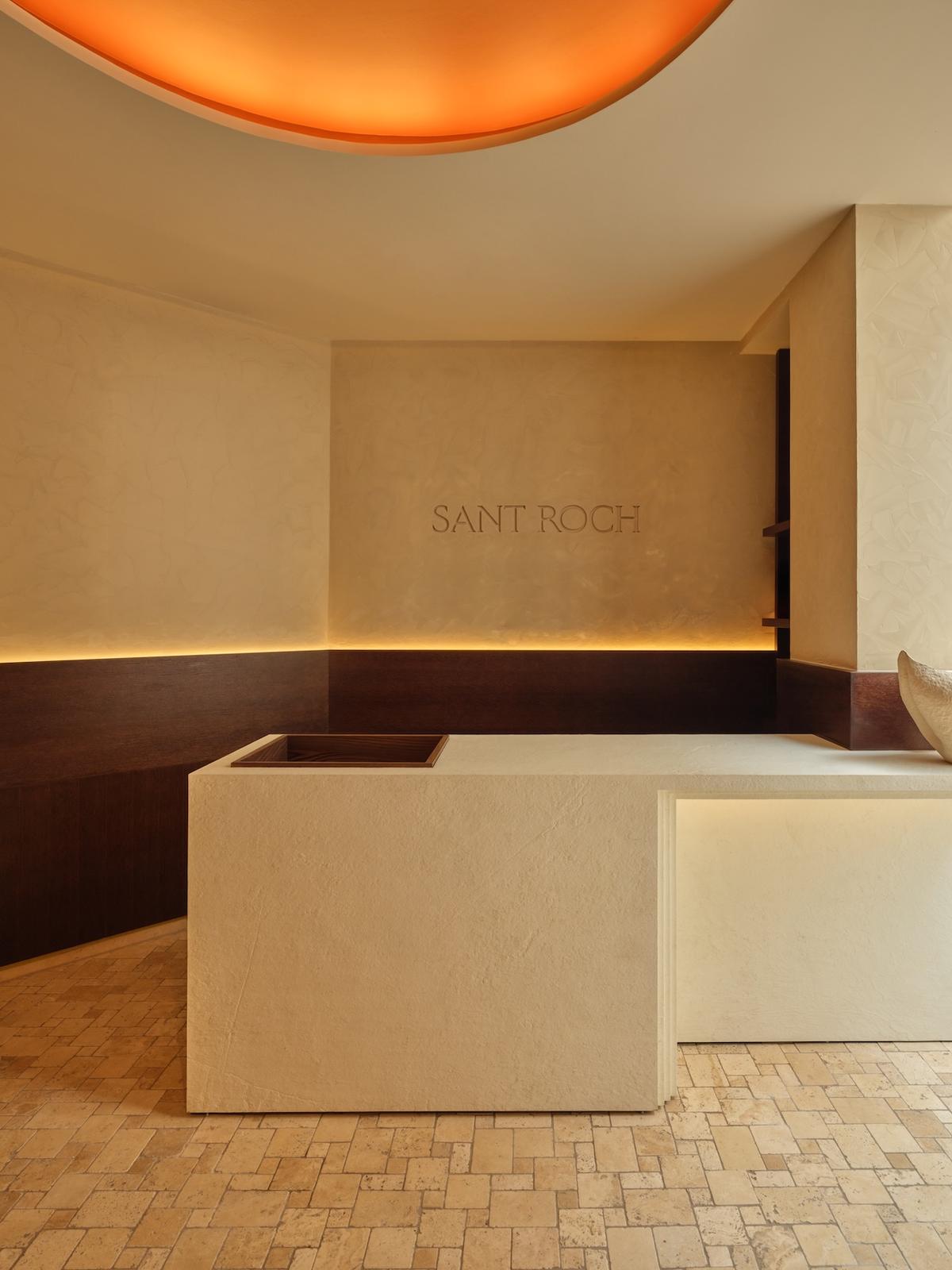
A Rhythm for Parisian Wellness Takes Hold at Sant Roch
Why It Matters
Sant Roch introduces a scalable, ritual‑based recovery model to a market traditionally dominated by cafés and gyms, signaling a broader shift toward health‑focused urban lifestyles. Its success could inspire similar boutique concepts, reshaping Paris’s wellness economy.
Key Takeaways
- •France's largest sauna, 60 sqm, anchors Sant Roch experience
- •Five cold plunges (3‑8 °C) follow sauna for contrast therapy
- •Founders pivot from performance studios to recovery-focused wellness concept
- •Minimalist design prioritizes ritual over traditional spa services
- •Guided breathwork sessions optional, catering to varied client preferences
Pulse Analysis
Paris has long celebrated indulgence—café smoke, late‑night wine, buttery pastries—but a quiet wellness revolution is gaining momentum. Across Europe, contrast therapy—alternating heat and cold—has moved from elite sports recovery rooms into mainstream health clubs, driven by research linking it to improved circulation, reduced inflammation, and mental clarity. The city’s affluent, time‑pressed professionals are seeking efficient, science‑backed rituals that fit into a busy schedule, making a purpose‑built facility like Sant Roch especially appealing. By offering a single, immersive experience rather than a menu of disparate treatments, the venue taps into a growing desire for holistic, yet streamlined, self‑care.
Sant Roch’s founders, Jules and Chloé Bouscatel, leveraged their reputation from the Monday Sports Club network to create a space that feels more like a ritual chamber than a conventional spa. The 60‑square‑metre sauna, the largest in France, serves as the anchor, surrounded by five meticulously calibrated cold plunges ranging from 3 °C to 8 °C. Architectural firm Futurstudio and artistic director Olivier Léone kept the aesthetic restrained—soft lighting, brushed‑metal tubs, and muted tones—to keep attention on the bodily experience. Optional guided sessions layer breathwork, sound, and movement, allowing both solitary users and groups to tailor the duration and intensity of their practice. This hybrid model blends the exclusivity of boutique fitness with the restorative focus of medical‑grade recovery centers.
The launch of Sant Roch could have ripple effects across the European wellness landscape. Its success demonstrates that high‑end, ritual‑centric concepts can thrive alongside traditional spas and gyms, encouraging investors to fund similar ventures in other dense urban markets. Moreover, the emphasis on self‑directed yet structured recovery may inspire existing fitness chains to integrate dedicated contrast‑therapy zones, expanding revenue streams beyond class subscriptions. As Parisians increasingly prioritize health without sacrificing cultural rituals, Sant Roch positions itself at the intersection of heritage and innovation, setting a benchmark for the next generation of urban wellness destinations.
A Rhythm for Parisian Wellness Takes Hold at Sant Roch
Comments
Want to join the conversation?
Loading comments...