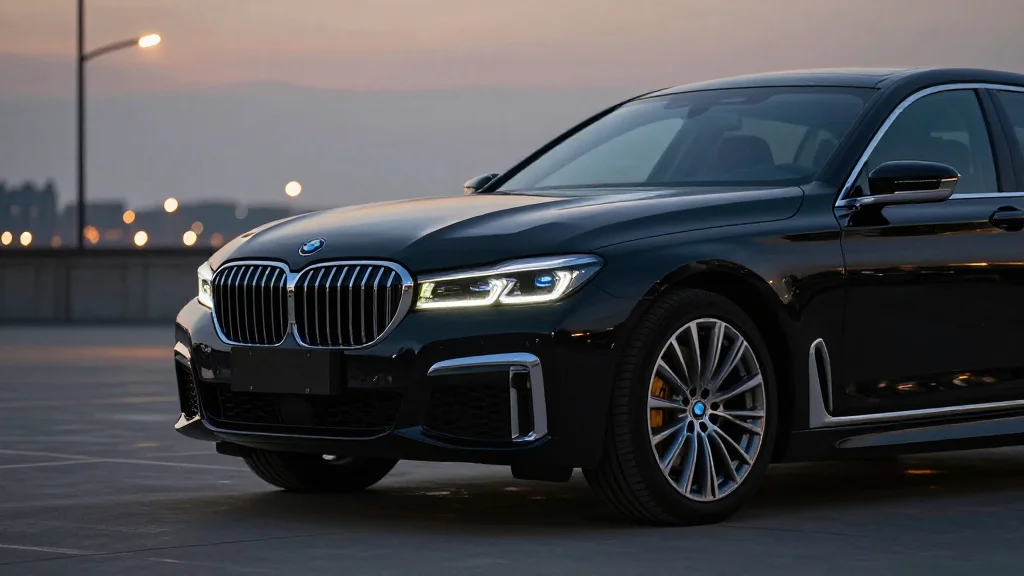
As Rivals Ditch Sedans, BMW Sees 7 Series As An 'Opportunity To Grow'
Companies Mentioned
Why It Matters
BMW’s commitment signals that premium sedans can still capture affluent buyers despite the SUV surge, preserving a high‑margin product line and reinforcing its EV strategy in the luxury market.
Key Takeaways
- •BMW's 2027 7 Series starts at $101,350, targeting premium sedan buyers.
- •Competitors Audi and Lexus exit full-size sedan segment, focusing on luxury SUVs.
- •BMW and Mercedes-Benz double down with refreshed flagship sedans, defying market trend.
- •i7 electric variants gain longer range, reinforcing BMW's EV push in luxury.
- •Plug-in hybrid 7-Series slated later 2024, expanding powertrain options.
Pulse Analysis
The luxury automotive landscape is increasingly dominated by three‑row SUVs, yet BMW views the retreat of rivals as a strategic opening. While Audi has discontinued the A8 and Lexus the LS, both firms are reallocating resources to high‑profit SUV platforms. This shift leaves a vacuum in the executive‑sedan niche, a segment traditionally prized for brand prestige and dealer profitability. By reaffirming its commitment, BMW aims to capture customers who still value the classic combination of performance, craftsmanship, and a low‑profile silhouette.
The 2027 BMW 7 Series arrives with a modest exterior refresh but a markedly upgraded cabin, signaling a focus on experiential luxury rather than radical redesign. Powertrain options now span traditional gasoline, a longer‑range i7 electric variant, and an upcoming plug‑in hybrid, reflecting BMW’s broader electrification roadmap. Pricing—beginning at $101,350 for rear‑wheel‑drive and reaching $126,250 for the top‑spec i7 60 xDrive—positions the 7 Series competitively against the Mercedes‑Benz S‑Class while delivering higher profit margins per unit. The expanded EV lineup also helps BMW meet tightening emissions standards in key markets.
Industry analysts view BMW’s sedan strategy as a hedge against the SUV‑centric market’s volatility. Maintaining a flagship sedan preserves brand heritage, supports dealer service revenue, and offers a platform for showcasing advanced technologies that later trickle down to other models. As luxury consumers increasingly demand electrified performance, the i7’s improved range could attract early adopters reluctant to switch to an SUV. In the long run, BMW’s dual focus on premium sedans and electrification may sustain its market share and reinforce its image as a leader in both traditional luxury and next‑generation mobility.
As Rivals Ditch Sedans, BMW Sees 7 Series As An 'Opportunity To Grow'
Comments
Want to join the conversation?
Loading comments...